















Story Highlight
– NHS Lanarkshire’s hospital project rejected by Scottish Government.
– Concern raised for staff, patients, and community.
– Estimated £2.1 billion cost deemed unaffordable.
– Public meeting scheduled for July 2 to discuss.
– UNISON vows to support affected members and healthcare.
Full Story
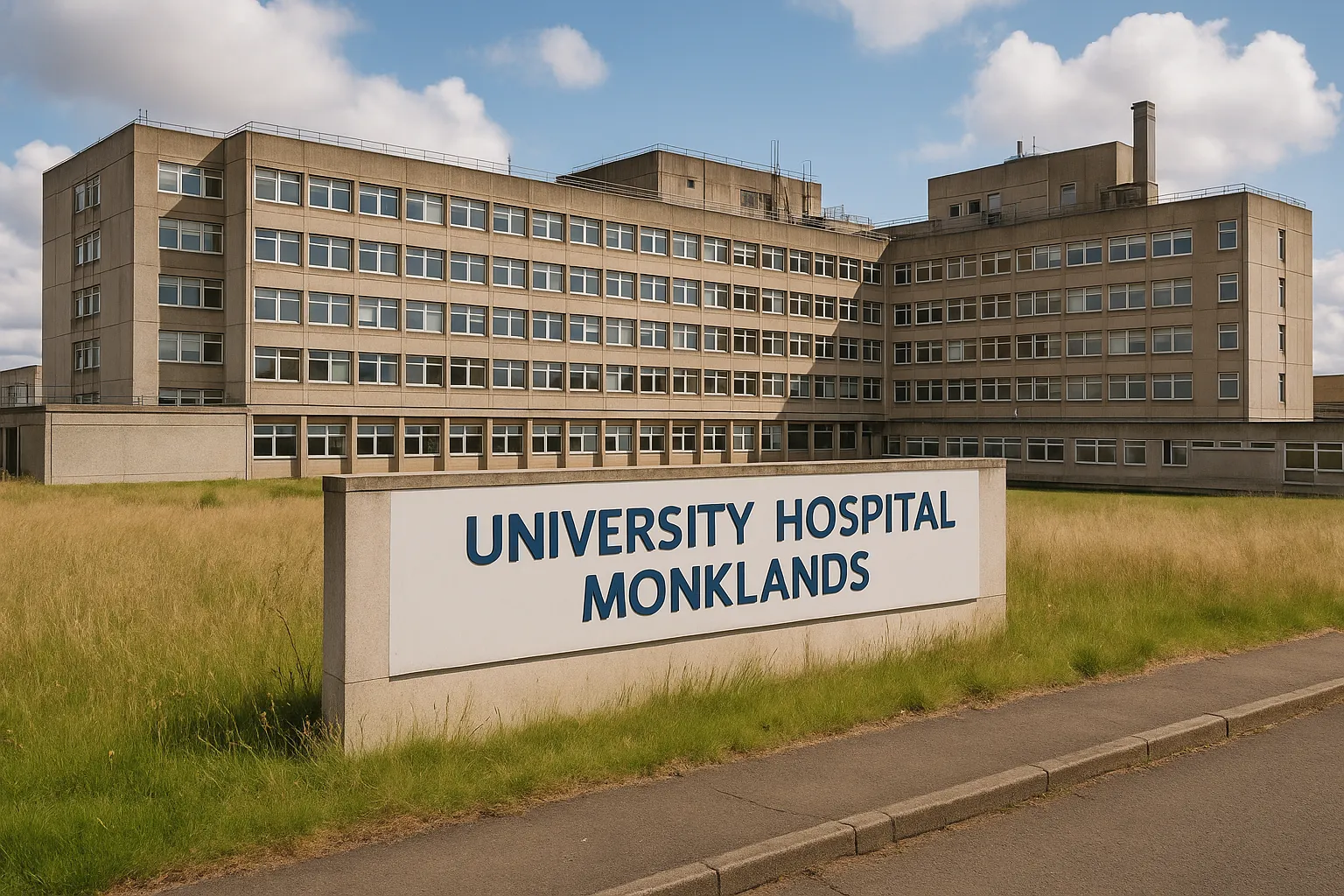
NHS Lanarkshire’s ambitious project for a new University Hospital Monklands has encountered a serious setback following the refusal of its business case by the Scottish Government. This decision, which has sparked significant concern among healthcare professionals and residents alike, was announced just before the Scottish Parliament commenced its summer recess.
The union representing healthcare workers in the region, UNISON Lanarkshire Health Branch, has pledged to stand by its members affected by this development. Leaders of the union expressed that the rejection of the business case will likely heighten anxieties among staff, patients, and wider community stakeholders. The Health Secretary, Angela Constance, highlighted financial constraints as the primary reason for the decision, stating, “we cannot afford the estimated £2.1 billion pricetag of the new hospital within our current financial landscape.”
The cancellation of this project, originally proposed to be located in Wester Moffat, Airdrie, raises pressing questions about the future of healthcare services in the Lanarkshire area. A public meeting has been organised at the Airdrie Working Men’s Club on Thursday, July 2, providing a forum for community discussion on the implications of this decision.
A spokesperson for UNISON Lanarkshire Health Branch commented on the ongoing challenges faced by staff, noting: “For years, staff have been working in increasingly challenging conditions while continuing to deliver outstanding care and support services.” Many within the healthcare sector had anticipated that the establishment of a new hospital would usher in modern facilities, enhancing both the working environment for staff and the patient experience for the community.
With the suspension of the new hospital project, the existing hospital infrastructure now bears greater scrutiny. The spokesperson emphasised the need for urgent discussions around the status of current healthcare provisions: “The condition of the current hospital estate raises understandable questions about the future of healthcare delivery in Lanarkshire. Our commitment remains focused on safeguarding our members’ interests, health, safety, and overall wellbeing.”
Acknowledging the likelihood of worry among staff regarding job security and service continuity, the union has reassured its members that it will seek further clarification from NHS Lanarkshire and the Scottish Government. “We will challenge any proposals that negatively impact staff, services, or patient care,” the representative stated.
Furthermore, UNISON encourages any member experiencing concerns related to their workplace, including health and safety risks or service delivery issues, to reach out to the branch for support. No concern is deemed too minor, as the organisation aims to ensure that employees feel heard and represented through these challenging times.
In her statement to the members of the Scottish Parliament, Ms Constance acknowledged the challenges that healthcare staff have faced: “Staff have worked in difficult conditions for many years, and they deserve better. Patients deserve better.” She underscored that the case for replacing Monklands is well established, yet insisted that a redesign of the hospital will be designed rapidly, with decisions expected as early as 2027.
The ongoing situation has generated a sense of urgency among health professionals and community members. The declining state of the current facilities presents ongoing operational challenges that hinder the delivery of modern care models, posing doubts over the feasibility of maintaining adequate healthcare services in the future.
With discussions around healthcare in Lanarkshire increasingly vital, both staff and patients are encouraged to engage in upcoming community forums, such as the meeting at Airdrie Working Men’s Club. This is an opportunity for local voices to express concerns and seek clarity regarding the fate of healthcare services in the region.
As the community grapples with news of the halted hospital project, the need for investment in healthcare infrastructure becomes ever more pressing. UNISON Lanarkshire Health Branch remains steadfast in its commitment to advocate for better healthcare services and working conditions for its members. The union’s resolve to represent its members and defend local services is crucial as the implications of this decision continue to unfold.
The future of University Hospital Monklands and its impact on Lanarkshire’s healthcare landscape remains to be seen, as stakeholders await further developments in the planning and funding process from the Scottish Government. This uncertainty highlights the essential call for action in ensuring that both healthcare providers and patients receive the high standard of care that they deserve.
Our Thoughts
The rejection of NHS Lanarkshire’s business case for the new University Hospital Monklands highlights several key areas for improvement in health and safety practices and compliance with relevant UK health and safety legislation.
To avoid the challenges faced, better project planning and financial forecasting could have been essential. Early stakeholder engagement and transparent communication regarding budget constraints would have provided a clearer pathway for staff and the community, potentially mitigating their concerns and anxiety.
The situation presents a significant concern regarding the health and safety of staff working under challenging conditions in an ageing facility. This raises questions under the Health and Safety at Work Act 1974, which mandates providing a safe working environment. The absence of adequate facilities that meet modern health standards could be interpreted as a breach of this legislation, jeopardizing staff and patient wellbeing.
Going forward, continuous risk assessments and investment in infrastructure are critical. Establishing a robust communication framework that actively involves staff feedback on workplace conditions would enhance safety and morale, thereby preventing such incidents in the future. Engaging in strategic planning with realistic funding timelines could facilitate more sustainable healthcare delivery.