













Story Highlight
– 1976 Seveso chemical accident released toxic dioxin cloud.
– Thousands exposed; severe health issues and animal deaths.
– Long-term studies linked dioxin to various health effects.
– The disaster shaped EU regulations on industrial safety.
– Seveso became a symbol of corporate accountability and awareness.
Full Story
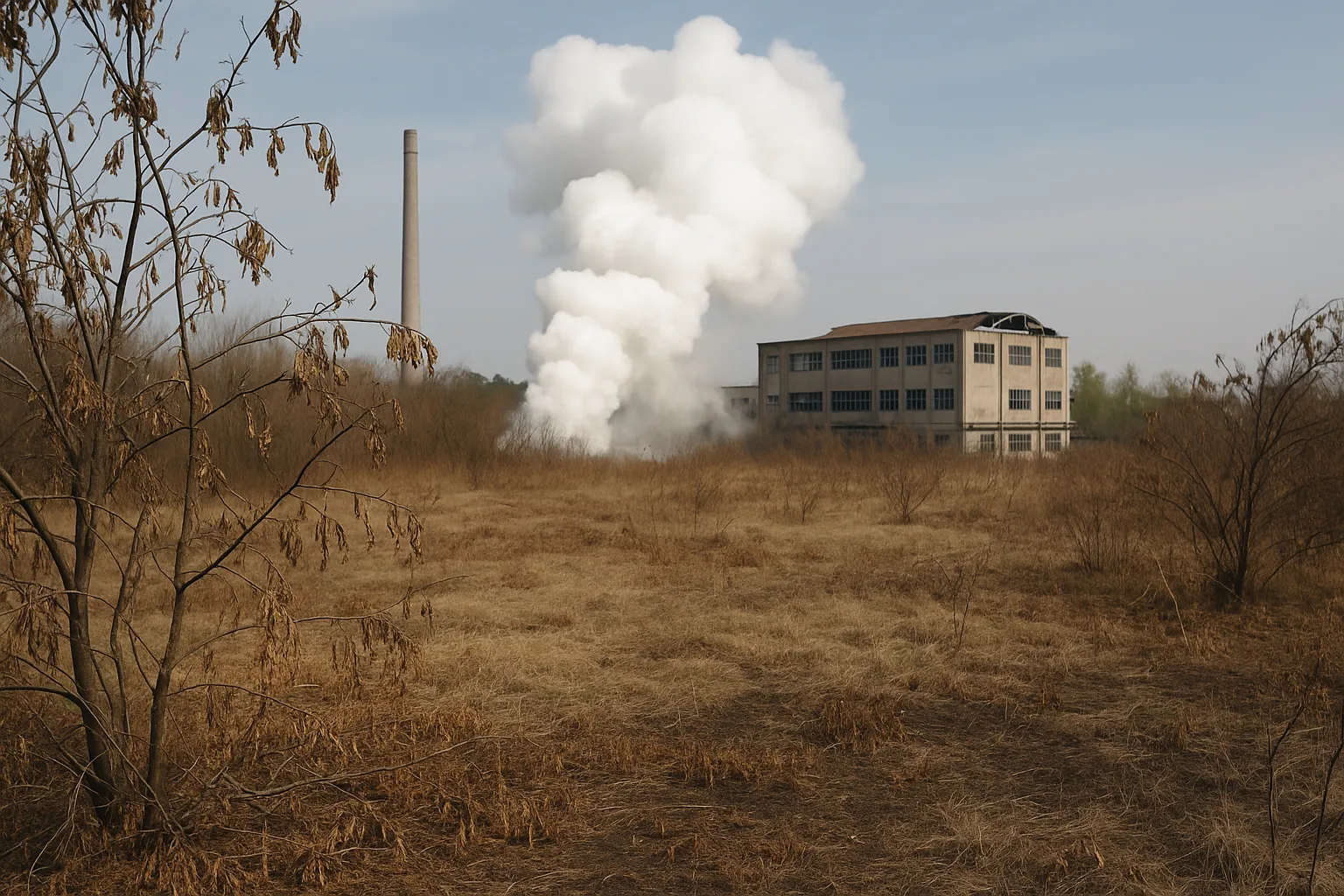
On 10 July 1976, a devastating industrial accident unfolded at the Icmesa chemical plant, located approximately 20 kilometres north of Milan. This incident, which would come to be known as the Seveso disaster, was marked by a loud explosion that released a hazardous cloud containing toxic dioxins over the surrounding towns, notably affecting the community of Seveso.
At the time, residents in this increasingly industrialised region were accustomed to the various smells from local factories; however, the white vapour that emerged that day was different. Barry Commoner, a prominent US biologist and environmentalist, later described a sense of normalcy prevailing in the area immediately after the explosion, with life continuing as usual while the full impact of the event remained unrecognised. He noted that people engaged in their daily activities—working in furniture shops, tending to gardens, and enjoying recreational sports—unaware that danger lurked in the air.
As days passed without official warning, residents were initially oblivious to the hazards of the contamination, continuing to consume locally sourced fruits and vegetables. It was not until over a week later that authorities publicly acknowledged the nature of the catastrophe, revealing that the airborne substance was 2,3,7,8-tetrachlorodibenzo-p-dioxin (TCDD), a highly toxic chemical known as dioxin.
In the fallout from the explosion, the repercussions were severe and immediate. Local vegetation died off, and wildlife perished in alarming numbers. Reports indicated that thousands of animals either succumbed to the effects of the chemical exposure or were culled in fear of contamination. Among humans, the outbreak of chloracne— a painful skin condition associated with dioxin exposure—was a particularly troubling consequence, especially for the children in the area.
In response to the growing crisis, the Seveso incident would later evolve into one of the most significant long-term studies on chemical exposure. Medical researchers meticulously preserved blood samples from tens of thousands of residents, allowing for decades of subsequent evaluations that connected dioxin exposure to various health outcomes. Although these studies indicated that the actual human toxicity levels were lower than initially feared, uncertainties about the long-term health effects of the accident persisted into the future.
The Seveso disaster fundamentally transformed both environmental legislation and public perceptions of industrial safety. Its legacy led to the establishment of the European Union’s Seveso Directives, which mandated stricter regulations aimed at preventing similar catastrophes in industrial settings and underscored the need for corporate accountability and public access to environmental information.
Delving deeper into the specifics of the chemical accident, the Icmesa facility, owned by the Swiss parent company Givaudan and a subsidiary of Hoffmann–La Roche, was in the process of producing an intermediate chemical, 2,4,5-trichlorophenol. Problems arose when technicians began shutting down the production process for the weekend. Notably, they neglected to introduce water into the reactor, a crucial step that typically quells reactions.
Toxicologist Alastair Hay noted that the decision to cease stirring and heating led to an uncontrolled exothermic reaction, raising temperatures to dangerously high levels. At 12:37 PM, the pressure became too great for a valve, resulting in an explosive ejection of the reactor contents into the atmosphere, which contained a mix of chlorinated compounds, including an estimated total of 15-30kg of dioxin.
Despite Seveso being the most significant case of urban dioxin contamination, exposure to the chemical was not unprecedented. For decades prior, various facilities in multiple countries—such as the US and Germany—had experienced incidents leading to public exposure to dioxin. Studies have established dioxin as a carcinogenic substance linked to numerous adverse health effects, given its persistence in the environment.
In the wake of the Seveso accident, local wildlife suffered immensely, with plants and animals showing signs of distress and death soon following the incident. A staggering figure of 3,300 animals is reported to have died from the immediate effects of exposure, with even more euthanised to prevent further contamination risks. Tragically, the local community began experiencing health issues, particularly chloracne among children who had been outside during the reactor’s catastrophic release of toxic vapours.
However, the urgency and seriousness of the circumstances were not initially communicated effectively to the local workforce at Icmesa. One employee remarked on the slow response, recalling it took an alarming five days before they were advised to wash before leaving the premises, despite the visible signs of environmental damage around them. The investigative efforts commenced almost too late, with confirmation that dioxin was present only emerging days later, prompting necessary evacuations to occur weeks post-accident.
The evacuation process was fraught with ethical dilemmas, particularly for expectant mothers, as the risks associated with dioxin exposure to unborn children were largely unknown at that time. Although temporary provisions were made to allow abortions in specific cases, societal stigma and pressure hindered many from pursuing this option. Monitoring post-disaster revealed little change in birth outcomes, providing some reassurance amidst significant public anxiety.
Dr. Paolo Mocarelli, a clinical scientist who played a pivotal role in examining the aftermath of the explosion, stored blood samples from approximately 30,000 residents, which would later prove crucial for understanding the long-term impacts of dioxin exposure. His proactive collection of samples allowed for future diagnostic capabilities that were not initially available, ultimately paving the way for extensive research into the health effects related to dioxin.
The events at Seveso not only reshaped environmental policies within Italy but also sparked a widespread movement across Europe to advocate for cleaner industrial practices and heightened safety measures. The subsequent establishment of the Seveso Directive represented a watershed moment, establishing legal frameworks that demanded industries manage the risks associated with hazardous substances responsibly.
Over the years, the disaster prompted significant public backlash against Hoffmann–La Roche, particularly following the revelation that they had lost track of barrels containing dioxin waste, which further fueled scepticism toward corporate practices in environmental management. Community groups mobilised campaigns advocating for accountability and transparency, which marked an awakening of public consciousness towards the intertwined fates of health, environment, and industry.
Even decades later, Seveso’s legacy continues to resonate, serving as a chilling reminder of the potential dangers inherent in chemical manufacturing processes. The Seveso Oak Forest was later developed on the site of the former chemical plant, symbolising both healing and the rediscovery of nature amid the scars of industrial activity. This park now provides a place of solace and reflection, where the lessons of Seveso endure, reminding society of the critical need for vigilance in environmental stewardship.
Our Thoughts
The Seveso disaster highlights critical failures in managing hazardous materials, emphasizing lessons relevant to UK health and safety legislation. Key shortcomings included inadequate risk assessment and emergency preparedness at the Icmesa plant, which breached the Control of Major Accident Hazards (COMAH) Regulations that require operators to implement safety measures for preventing major accidents. The failure to add water to cool the reactor, along with insufficient monitoring of hazardous processes, represents a neglect of the Health and Safety at Work Act, emphasizing the necessity for strict adherence to defined safety protocols and procedures.
To prevent similar incidents in the UK, it is vital that organizations handling dangerous substances follow thorough risk management and emergency planning, conduct regular safety audits, and ensure comprehensive training for employees on hazard recognition and response. Furthermore, timely communication of risks to surrounding communities, as mandated by the COMAH Regulations, is essential to safeguard public health. Strengthened corporate accountability and transparency regarding chemical safety can also enhance community trust and environmental protection. Overall, a culture of proactive safety and compliance is crucial in averting chemical accidents.