













Story Highlight
– Y7 Hotels Ltd fined £120,000 for safety failures.
– 10-year-old Jack Piper-Sheach died from electric shock.
– Incident occurred at Tiffany’s Hotel in Blackpool.
– Investigations revealed unqualified work on electrical systems.
– Hotel was later allowed to reopen after improvements.
Full Story
The operators of a hotel in Blackpool have been fined following serious health and safety breaches related to electric installations, culminating in the tragic death of ten-year-old Jack Piper-Sheach in September 2023. Y7 Hotels Ltd, which owns Tiffany’s Hotel, was penalised £120,000 and tasked with covering £24,000 in costs to Blackpool Council after entering guilty pleas to two health and safety offences.
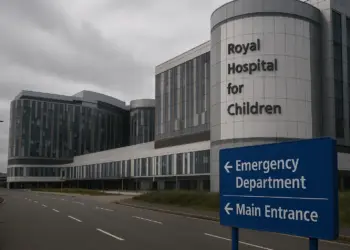
The incident occurred on the evening of Sunday, September 3, 2023, when Jack was with his family in the lobby area of Tiffany’s Hotel, located on the Promenade. Emergency services were called when he was found unresponsive shortly before 11pm. Despite being rushed to Alder Hey Children’s Hospital in Liverpool, Jack succumbed to his injuries just four days later, with family by his side.
A subsequent investigation by Lancashire Police determined that there were no grounds for criminal charges concerning the circumstances surrounding Jack’s death. However, Blackpool Council later intervened, prosecuting Y7 Hotels Ltd for failures under the Health and Safety at Work Act 1974. Notably, the council’s charges had no direct link to the incident that took Jack’s life.
On April 15, 2026, representatives from Y7 Hotels Ltd appeared at Preston Crown Court, where they formally pleaded guilty to the safety offences concerning their establishment. The sentencing took place on June 26, where the hefty fine was imposed based on the severity of the company’s negligence.
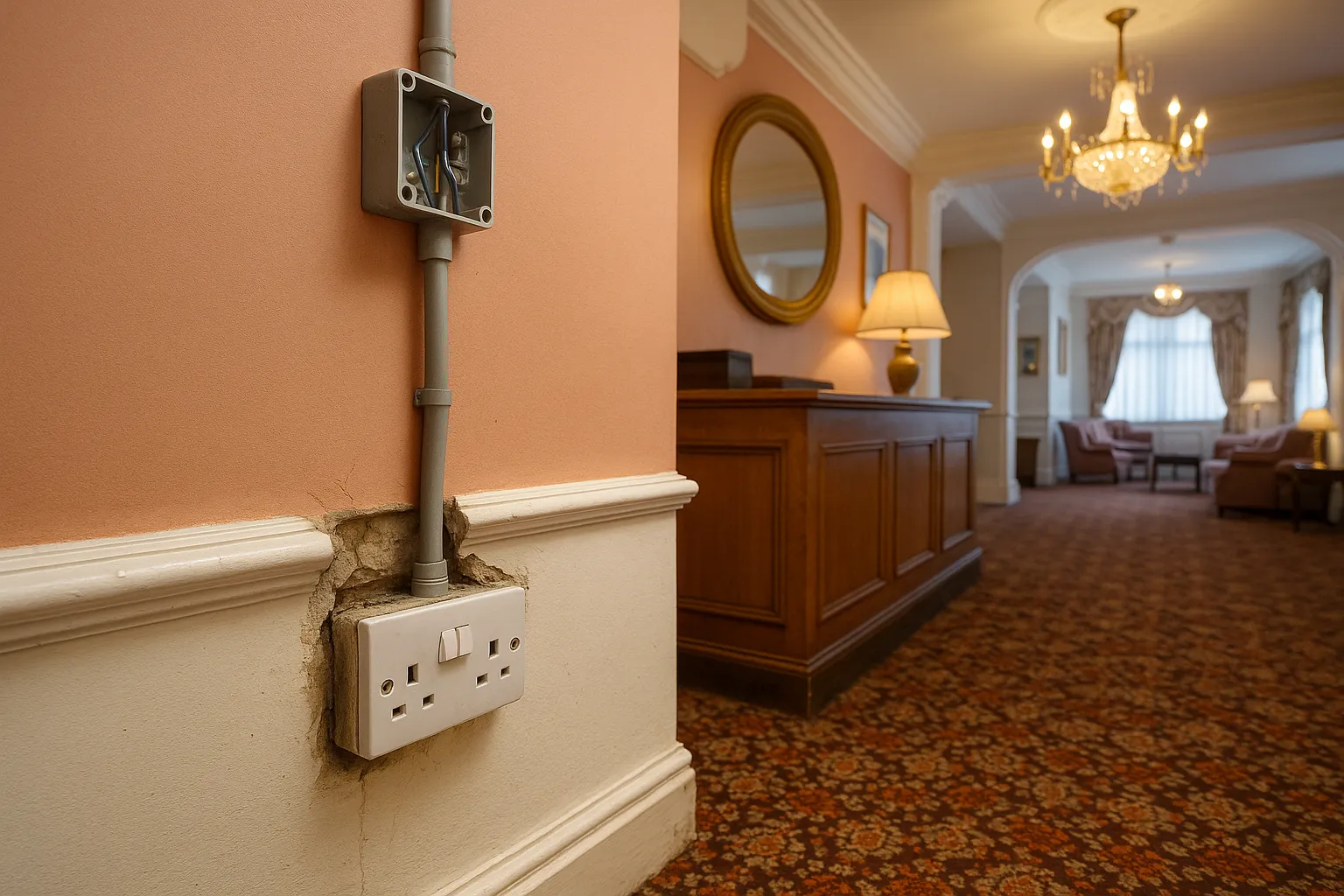
Following the tragic incident, Blackpool Council initiated an investigation into Tiffany’s Hotel. Inspectors uncovered significant issues related to the hotel’s electrical installations that posed risks not only to guests but also to staff. Although Y7 Hotels Ltd had conducted electrical inspections as mandated, the necessary corrective actions to address dangerous conditions had not been performed competently. Furthermore, no proper documentation confirming any remedial work had been executed was made available. A prior electrical installation condition report (EICR) from 2020 had flagged several hazardous issues, highlighting longstanding safety concerns that had not been remedied.
Inspectors noted that while some urgent repairs appeared to have been conducted, there were no records or certifications to indicate when or by whom these interventions were made. The failure to show evidence of using competent, qualified electricians for necessary work greatly contributed to the council’s decision to take legal action.
In response to the findings, the director of Tiffany’s Hotel chose to halt trading voluntarily as the council’s investigation progressed. This decision seemed a prudent move considering the potential ramifications of operating under such scrutiny.
To further assess the electrical concerns at the hotel, Blackpool Council coordinated with the Health and Safety Executive (HSE), which dispatched two specialised inspectors to scrutinise the facilities. Their investigation revealed three additional dangerous areas, leading to the conclusion that the electrical installations were inadequately maintained, thus risking guests and employees with potentially fatal consequences. Consequently, an Improvement Notice was issued, demanding immediate rectification.
As a follow-up, by November 2023, the hotel managed to provide a satisfactory EICR, allowing for a reassessment of the electrical conditions. Council officers conducted an inspection to ensure compliance with the improvement requirements, permitting the hotel to reopen once assurance was established regarding the safety of the premises.
A spokesperson for Blackpool Council reflected on the investigation’s outcome, expressing condolences for Jack Piper-Sheach’s family. They stated, “This investigation commenced following the tragic death of a young boy due to injuries sustained in the hotel lobby. This is a tragic case and throughout our investigation, our thoughts have always been, and continue to be with, the family, friends and loved ones of Jack Piper-Sheach.”
The spokesperson emphasised that the case should act as a critical reminder to all hotel operators and business owners across the region. “They have a duty of care to ensure their electrical installation is regularly reviewed, and all remedial works are conducted correctly and promptly by qualified electricians, fully documented or certified,” they added.
Highlighting the legal responsibilities that employers face in ensuring the safety of both employees and the public, the council affirmed its commitment to addressing any breaches of health and safety regulations. “When a serious breach is identified, we will not hesitate to hold those responsible to account,” the spokesperson concluded, commending the thoroughness of the council’s investigative team.
This incident raises profound questions about hotel safety standards and the custodial responsibilities business owners hold to protect their guests. As the ramifications of the tragedy unfold, it is hoped that such events will prompt enhanced vigilance regarding health and safety compliance across the hospitality industry.
Our Thoughts
Y7 Hotels Ltd’s admission of health and safety failures in relation to dangerous electrical installations at Tiffany’s Hotel highlights significant lapses in compliance with the Health and Safety at Work Act 1974. Key lessons include the necessity of ensuring that all electrical inspections and subsequent remedial works are executed by competent, qualified electricians, with proper documentation and certification of work performed. The findings revealed that although inspections were conducted, corrective actions were poorly managed, lacking both certification and the involvement of qualified professionals, thereby contravening the requirement for maintaining safe workplace environments.
To prevent similar incidents, hotels and businesses must prioritize rigorous adherence to safety standards, including regular reviews of electrical installations and immediate rectification of identified hazards. Establishing thorough documentation processes would also strengthen accountability and compliance. By fostering a proactive safety culture that emphasizes regular training for staff on health and safety practices, businesses can significantly mitigate risks associated with electrical hazards, ultimately safeguarding the welfare of both employees and guests.