















Story Highlight
– Ministers lacked appropriate plans for procurement decisions.
– Information systems were insufficient for effective decision-making.
– Equipment delivery was delayed due to organizational shortcomings.
– Fairness and cost-effectiveness could have been improved.
– Urgent need for better preparation highlighted by Hallett.
Full Story
An independent review has highlighted significant shortcomings in the procurement process utilized during the pandemic, identifying a lack of preparedness among ministers and officials. The findings point to the necessity for improved strategic planning, access to comprehensive information, and robust systems that could have streamlined the procurement of essential supplies and resources.
The review, commissioned to examine the efficiency of procurement decisions made in response to the COVID-19 crisis, concluded that had there been a more systematic approach in place, the entire process would have yielded better outcomes. “Had ministers and officials been better equipped with appropriate plans, information and systems, procurement decisions would have been easier, fairer and far less costly – and equipment would have reached those who needed it faster,” stated the review’s author, reflecting on the critical nature of effective government response mechanisms.
Procurement in times of emergency requires agility; however, the review underscored that many decisions were made in haste, often resulting in costly agreements that did not deliver value. The lack of a cohesive strategy meant that many procurements were reactive rather than proactive, leaving a gap that could have been filled with more adequate foresight.
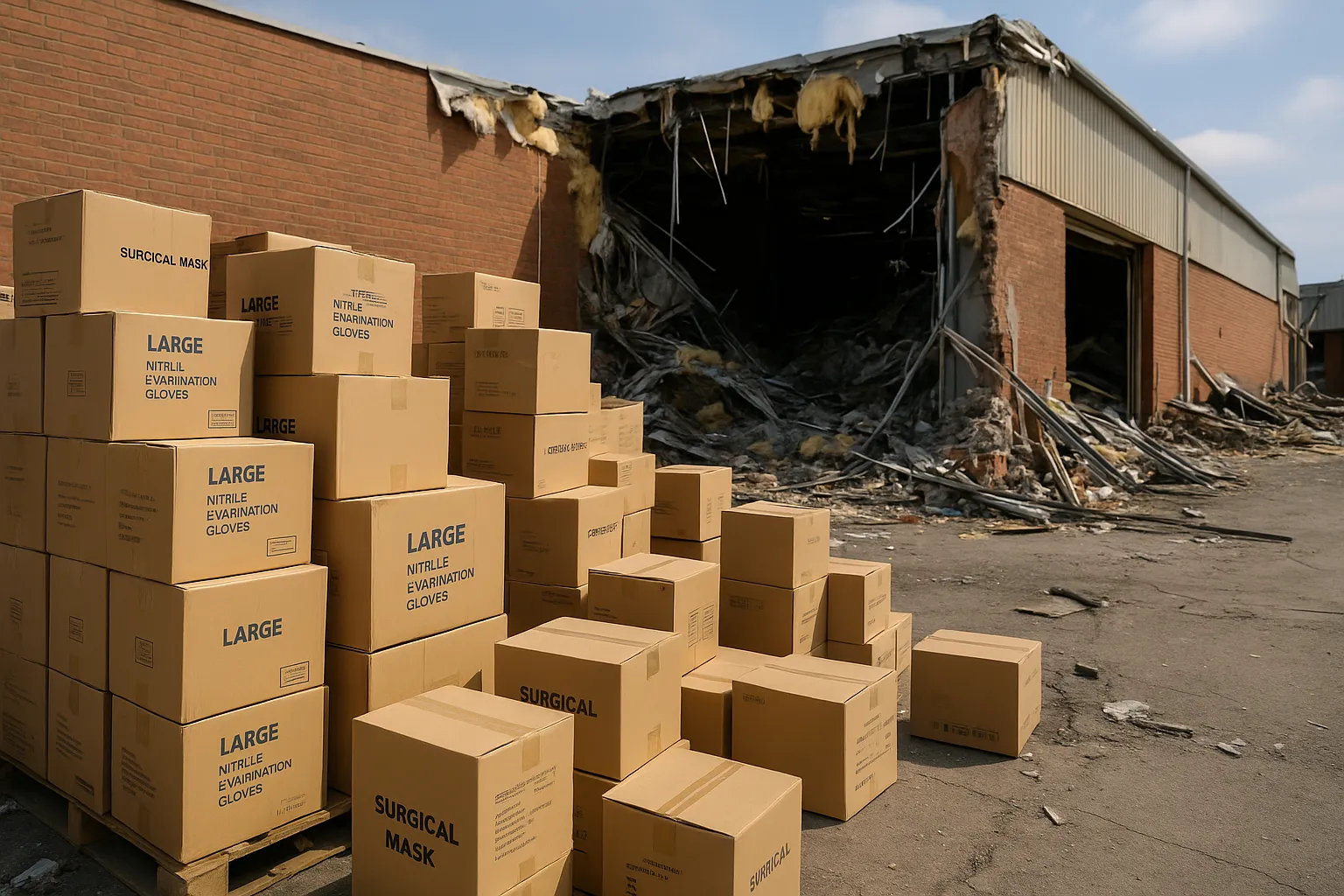
According to the report, the repercussions of these procurement decisions have been far-reaching. Equipment that was urgently needed in hospitals and care facilities was delayed, and in some instances, funds were spent inefficiently due to the lack of established frameworks for decision-making. Experts have indicated that a more adaptable procurement structure could have ensured that critical supplies were acquired in a more timely manner, ultimately saving lives.
Experts in public policy have weighed in on the implications of these findings. Professor Laura Jetley, a specialist in public procurement, elaborated on the importance of pre-established protocols: “A well-prepared strategy for procurement is not merely advantageous but essential in crisis situations. This review serves as a stark reminder that the ability to act efficiently in emergencies can be the difference between success and failure.”
In addition to logistical inefficiencies, the report pointed to a transparency issue that arose during the pandemic. Concerns were raised about the awarding of contracts and the criteria applied. With multiple companies competing to supply medical equipment, the criteria used to make selections appeared opaque, potentially leaving room for allegations of favouritism or unfair practices.
Furthermore, the review also addressed the financial implications of these procurement processes. With billions allocated for emergency supplies, ensuring value for taxpayer money became even more critical. The analysis concluded that better oversight and accountability could have mitigated excessive expenditure, thereby maximising the impact of government spending during a dire public health emergency.
Another angle explored within the review involves lessons for future preparedness. It stresses that governments must learn from the mistakes made during the pandemic to better equip themselves for any similar crises in the future. An actionable framework is proposed, which suggests integrating resilient supply chain management practices within governmental structures to strengthen their responses.
Local authorities echoed the sentiment for enhanced preparedness. Councillor Richard Smith from the Greater Manchester area voiced concerns regarding the local procurement challenges faced during the pandemic: “We were all in a situation where supplies were desperately needed, yet often we found ourselves scrambling to ensure we could protect our communities. The lack of a clear, cohesive system hindered our efforts significantly.”
The review’s impact extends beyond political corridors, reminding public officials and policymakers of the necessity for continual improvement in crisis management frameworks. The recommendations provided aim not only to rectify the previous failings highlighted but also to foster a culture of constant evaluation and readiness.
In conclusion, as the government contemplates the findings of this review, the call for a more transparent and efficient procurement system accentuates the need for a proactive, rather than reactive, approach in future crises. Enhancing the strategies in place today will play a pivotal role in ensuring that tomorrow’s responses are adequately prepared, fundamentally protecting public health and safety in times of need.
The overarching takeaway is that while the pandemic has undoubtedly posed unprecedented challenges, it also serves as an opportunity for systemic reform, allowing all sectors involved to reassess and improve their operational fortitude for potential future emergencies. Following these recommendations may not only alleviate the mistakes made during the pandemic but also strengthen the resilience of the entire procurement process within the government’s operational framework.
Our Thoughts
The article highlights deficiencies in planning and information systems that hindered efficient procurement during a critical period. To prevent similar issues in the future, organizations should establish robust contingency plans and improve communication channels, aligning with the Management of Health and Safety at Work Regulations 1999, which mandate risk assessments and effective management systems.
Key safety lessons include the necessity for clear protocols and training for decision-makers, ensuring they are equipped to respond promptly to crises. The absence of adequate planning can lead to wasted resources and delayed access to essential equipment, violating the Health and Safety at Work Act 1974, which requires employers to ensure the health, safety, and welfare of employees and others affected by their activities.
To mitigate future risks, thorough training on procurement processes and developing crisis management frameworks could enhance preparedness. Regular reviews and updates of these systems would ensure compliance and rapid response capabilities, ultimately protecting public health during emergencies.