














Story Highlight
– New warning issued for anti-wrinkle injections safety.
– Over 40 hospitalisations linked to unlicensed botulinum toxin.
– Symptoms include breathing difficulties and slurred speech.
– MHRA urges public to avoid unlicensed cosmetic products.
– Government plans stricter regulations for cosmetic procedures.
Full Story
Health authorities in the UK have issued a significant warning concerning the safety of popular anti-wrinkle injections after reports of severe hospitalisations linked to a bacterial infection that causes paralysis. This announcement follows incidents in which at least 40 individuals were admitted to hospitals last year, suffering from symptoms including breathing problems, slurred speech, and trouble swallowing, all of which occurred after obtaining these treatments from beauticians using non-compliant botulinum toxin products.
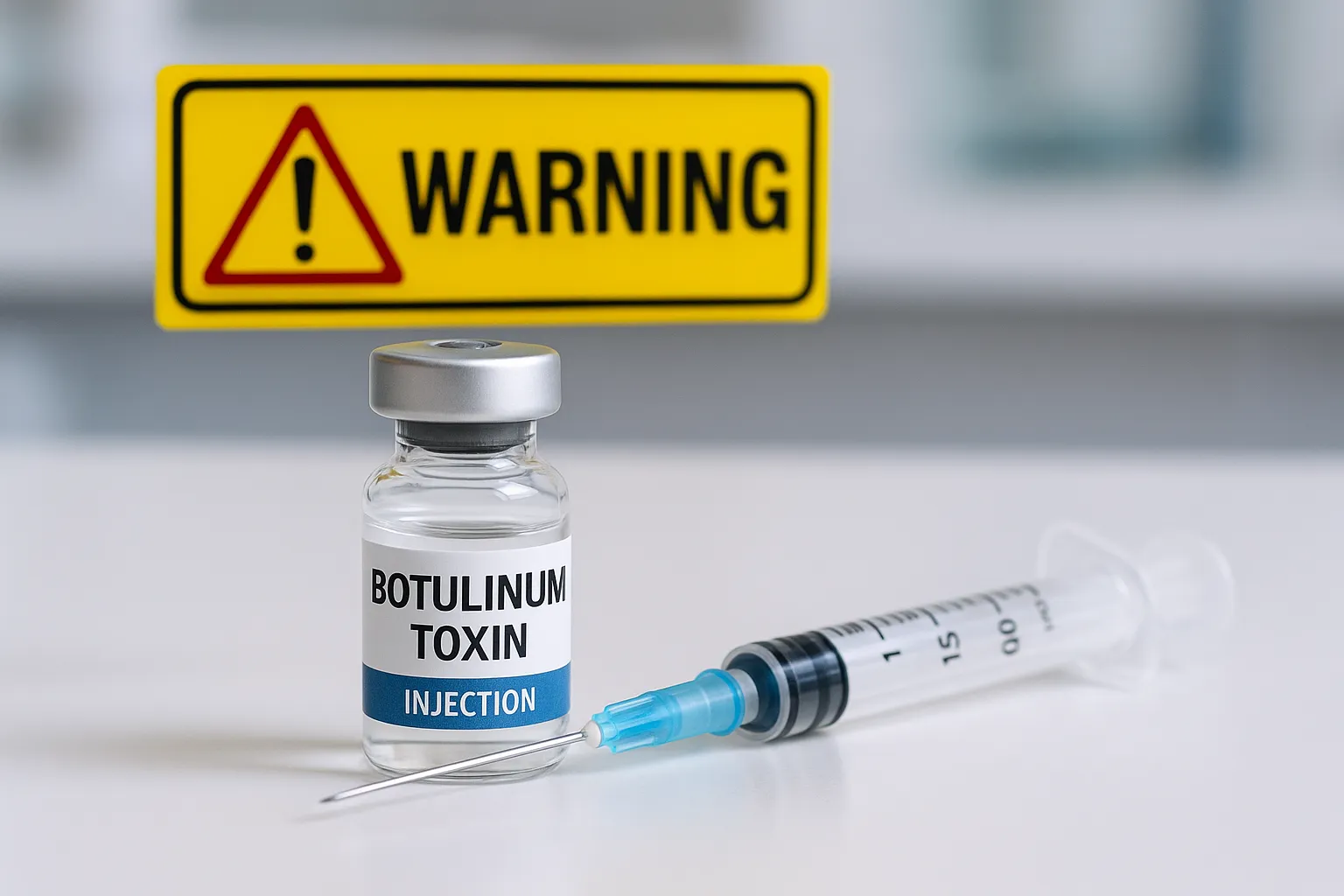
The substance commonly associated with these cosmetic treatments, botulinum toxin, is widely recognised under the brand name ‘Botox.’ Its primary purpose is to temporarily incapacitate facial muscles to diminish the appearance of wrinkles. Despite its popularity, health officials have raised alarms after cases of botulism, a condition stemming from exposure to toxins produced by the bacteria Clostridium botulinum, surfaced following cosmetic injections.
The Medicines and Healthcare products Regulatory Agency (MHRA), the UK’s drug safety authority, highlighted that while botulinum toxin medications are often employed for various medical and aesthetic purposes, the risks associated with their use can be serious in rare instances. The MHRA outlined that there are potential side effects that practitioners and patients must be cognisant of, specifically noting, “in very rare cases, the toxin’s effect may spread beyond the injection site, causing botulism, a serious and potentially life-threatening condition.” If left untreated, botulism can result in severe paralysis, necessitating urgent medical attention.
Dr Alison Cave, who serves as the chief safety officer at the MHRA, emphasised the effectiveness of botulinum toxin when administered properly for legitimate medical and cosmetic reasons. However, she reiterated the essential nature of these strengthened warnings, stating, “these are an important reminder that, in rare cases, serious side effects can occur. It is vital that healthcare professionals and patients are aware of the symptoms of botulism and act quickly if they arise as this is a medical emergency.” She strongly advised the public to refrain from using unlicensed products and insisted that treatments should only be conducted by qualified professionals.
Supporting these concerns, Dr Martin Bewley, a consultant in health protection at the UK Health Security Agency (UKHSA), remarked that, despite botulism being a rare infection, its implications can be dire. He urged individuals to seek immediate advice if they experience any symptoms, particularly after undergoing recent cosmetic treatments. “Contact NHS 111 for further advice and seek immediate medical attention. It is important to get checked out so you can have peace of mind and treatment if needed,” he advised.
The risks posed by Clostridium botulinum, the bacteria responsible for botulism, are compounded by its capacity to inhabit environments such as soil and dust, as well as the ocean floor. These bacteria can produce spores that typically remain harmless but can become hazardous under specific conditions, especially in improperly stored food products.
Given the seriousness of botulism, health experts have reiterated the importance of complying with safety measures during cosmetic procedures. They advise potential patients to exercise due diligence when selecting practitioners for aesthetic treatments. Key recommendations include ensuring that the practitioner has adequate qualifications, is a member of a recognized professional association, and can provide comprehensive information about the procedure and its potential risks. Additionally, patients are encouraged to discuss post-procedure care and how to address any complications that may arise.
Moreover, the UK health authorities are currently pushing for stricter regulations surrounding cosmetic procedures following a rise in adverse incidents. Recent proposals suggest that only qualified health professionals should perform high-risk non-surgical procedures, including Brazilian Butt Lifts (BBLs) and the administration of fillers and Botox. New licensing requirements aim to enhance safety standards for clinics providing such treatments.
The call for tighter regulation comes amidst ongoing concerns from British experts regarding the prevalence of non-surgical aesthetic treatments performed by inadequately trained practitioners. The lack of comprehensive regulatory oversight in the UK has highlighted the potential dangers associated with cosmetic fillers, as anyone is legally allowed to perform these procedures without formal training.
As the public becomes increasingly aware of the risks linked to unlicensed cosmetic treatments, health authorities are striving to inform individuals about the importance of making educated choices regarding their aesthetic procedures. The growing trend of cosmetic enhancement among consumers demands a vigilant and informed public, together with stringent regulatory measures to safeguard health and safety.
In conclusion, with the MHRA’s recent warning, it is abundantly clear that while there are benefits to cosmetic procedures involving botulinum toxin, potential risks must not be underestimated. Both practitioners and patients should prioritise safety and compliance with licensed procedures to reduce the incidence of severe health complications resulting from cosmetic enhancements. Awareness and education will be key in navigating the complex landscape of aesthetic treatments in a safe and informed manner.
Our Thoughts
The incidents of hospitalisations related to unlicensed anti-wrinkle injections reveal critical lapses in compliance with UK health and safety regulations. Key preventative measures include enforcing stricter licensing requirements for practitioners administering botulinum toxin. The Health and Safety at Work Act 1974 mandates that employers ensure health and safety protocols are implemented to protect patient welfare, which had evidently not been upheld in these cases.
The Medicines and Healthcare products Regulatory Agency (MHRA) warns of the risks associated with unlicensed products, underscoring the need for practitioners to be registered and possess relevant qualifications. Failure to adhere to these regulations highlights a breach of the Cosmetic Surgery (Standards) Bill requirements, which aim to regulate cosmetic procedures more effectively.
To prevent similar incidents, the industry must adopt stringent guidelines requiring practitioners to undergo proper training and certification. Additionally, public awareness campaigns should educate consumers on the risks of choosing unlicensed providers. By ensuring adherence to legislative standards and enhancing public knowledge, the risk of botulism and other health complications can be significantly reduced.