
















Story Highlight
– Nurse sells illegal fat drug in unmarked vials.
– Charges £120 for a month’s supply, mislabels product.
– Clients report injuries and no weight loss results.
– Retatrutide not approved for clinical use; health risks present.
– Regulatory bodies warn against purchasing from unlicensed sources.
Full Story
A registered nurse from Warrington has ignited outrage after reportedly selling illegal fat medications in unmarked vials, prompting urgent concerns over public health and safety. Deborah Davison, believed to be the first of her kind in the UK to engage in such activities, allegedly marketed these injections under the guise of a legitimate weight-loss drug, Mounjaro, while actually supplying an unapproved substance known as Retatrutide.
Patients seeking assistance with weight loss have turned to unregulated means as the popularity of slimming injections grows in the UK, with estimates suggesting almost two million individuals now rely on these treatments. In the face of limited legal access through the NHS or private practices, customers are increasingly enticed by dubious online vendors or informal practitioners like Davison, who promote purportedly effective solutions at lower costs.
Investigations revealed that Davison was charging approximately £120 for a month’s supply of the injections, though it has emerged that she was actually mixing a different drug into the vials without informing her clients. This has sparked alarm among medical professionals, who warn that the distribution of such substances could endanger lives.
One anecdotal account from a client, identified only as Sophie, illustrates the gravity of the situation. Weighing just 10 stone 6, Sophie sought treatment from Davison, believing it to be a reliable option due to the nurse’s credentials. However, upon receiving an unmarked vial instead of a pen injector, Sophie became increasingly apprehensive. “I was really shocked when she gave me a vial rather than a pen. She assured me that it was okay and told me how to inject,” she recounted, adding that despite following the instructions, she experienced no weight loss and ultimately requested a refund.
Sophie introduced another client, Jane, as their stories revealed a troubling pattern. Jane, who was a size 20 at the time of her purchase, placed her trust in Davison’s professional title, choosing to let the nurse administer the injections. “The jabs hurt and left me with wounds oozing blood. I now have scars on my stomach,” she shared. Until recently, both women remained unaware that they were using a product not legally sanctioned for public distribution.
Tests conducted by Sunderland University confirmed that the solution sold by Davison was not Mounjaro, which remains pending approval for clinical usage, but Retatrutide – a drug that is still undergoing trials in the USA. The Medicines and Healthcare products Regulatory Agency (MHRA) subsequently warned that any claims to the contrary are misleading and could pose significant health risks.
Encouraged by rapid weight-loss claims, many individuals using such unregulated products are unaware of the potential side effects. Current clinical trials indicate that users may achieve substantial weight loss over extended periods, yet the implications of using drugs outside approved guidelines—particularly those that are thought to be counterfeits or incorrectly dosed—are still largely unknown.
Dr. Sophie Shotter, an aesthetics expert, expressed grave concern over Dafison’s actions. “It’s appalling that she is selling this as Mounjaro, but tests have shown it’s Retatrutide,” she stated. “There is no way for her to know what is a safe dose, as Retatrutide is still in clinical trials… This is a regulated professional playing with fire.”
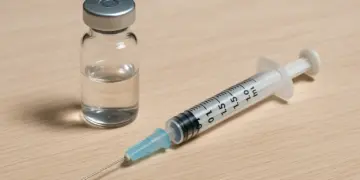
Davison operated from EHL Aesthetics and Beauty, a salon featuring a reception area and aesthetic treatment space. Investigators found that the unmarked vials were housed in plastic drawers, with syringes also provided for clients to self-administer the supposed medicine. The sale of these medications, devoid of proper labelling and medical consultation, raises serious questions about the ethics and legality of such practices.
As regulatory bodies crack down on illegal importation of weight-loss medicines, the MHRA recently confiscated thousands of doses valued at hundreds of thousands of pounds. The NHS has reported growing concerns around rogue sellers who dispense unlicensed drugs, emphasizing that legitimate weight management support must come from accredited healthcare providers.
The nurse’s misconduct has prompted calls for stricter enforcement of regulations governing the sale of medical products. A spokesperson for the Joint Council of Cosmetic Practitioners has urged potential customers to always obtain weight-loss injections through UK-registered pharmacies, where safety protocols are upheld.
Deborah Davison defended her actions, asserting that her intent was to assist individuals unable to afford authorised treatments. “People are aware they are purchasing this medication without a prescription,” she stated, acknowledging her lack of awareness regarding the unapproved nature of the product she supplied.
The nursing and midwifery council has been alerted to the situation, emphasizing the necessity of adhering to high standards of care in medical practice. If found breaching these standards, not only could Davison face significant professional repercussions, but her actions may also highlight broader issues regarding the availability of safe medical options for weight management.
The conversation surrounding the risks of unregulated weight-loss drugs continues, with health professionals urging the public to remain vigilant against the temptation of quick-fix solutions. “Injecting fake weight loss medicines can have potentially disastrous consequences,” warned Matt Fagg, Director of Prevention at NHS England.
In conclusion, the case serves as a stark reminder of the importance of regulatory oversight within healthcare, urging consumers to seek help through legitimate channels and avoid the dangers associated with unapproved treatments. The ongoing dialogue about safe and effective weight management practices is critical in safeguarding public health and restoring faith in medical providers.
Our Thoughts
The incident involving nurse Deborah Davison highlights significant breaches of UK health and safety legislation regarding the sale of medicinal products. The Medicines Act 1968 and the Human Medicines Regulations 2012 mandate that medications must only be sold with correct labeling and prescriptions from qualified professionals. Davison’s actions of selling unmarked vials of Retatrutide, an unlicensed drug still in clinical trials, not only contravene these regulations but also expose clients to potentially life-threatening risks due to unverified dosages and lack of medical oversight.
Key safety lessons include the necessity of proper consultation and thorough medical assessments, including BMI checks and reviewing medical history, prior to administering any medication. Compliance with the General Medical Council’s guidelines on safe prescribing practices is crucial to ensure patient safety.
To prevent similar incidents, increased regulatory scrutiny and enforcement against illegal sales and unlicensed medication distribution is essential. Public awareness campaigns about the dangers of unregulated health products could further deter individuals from seeking illicit alternatives.