















Story Highlight
– Wegovy pill now available in UK, not on NHS.
– Consult a clinician before switching from injection.
– Medication requires lifestyle changes for long-term success.
– Take pill every morning on an empty stomach.
– No need to restart when switching from injection.
Full Story
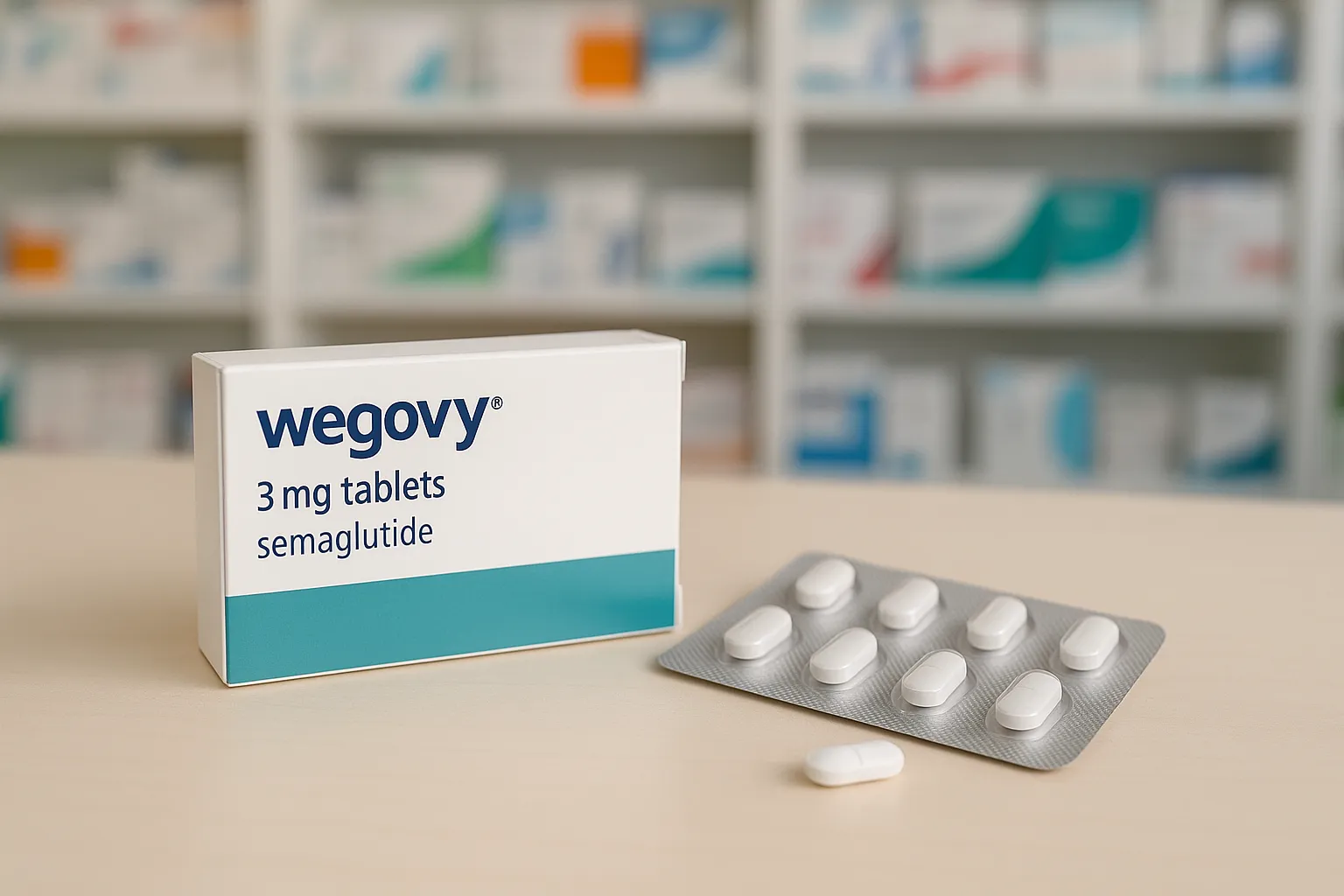
Medical professionals in the UK have provided essential advice for individuals considering the newly released Wegovy weight-loss tablet. This medication, which can now be purchased privately from high-street pharmacies and online retailers, offers a new oral alternative to the previously available Wegovy injections. The active component of this treatment is semaglutide, designed to reduce appetite and slow down the digestive process.
Wegovy’s approval by the Medicines and Healthcare products Regulatory Agency (MHRA) marks a significant milestone as it becomes the first oral weight-loss medication of its kind in the UK. However, it is important to note that as of now, the tablet is not accessible through NHS prescriptions.
Experts from CheqUp, a provider of weight-loss treatments, strongly recommend that anyone considering a switch from the injection to the tablet should first seek guidance from a healthcare professional. Lisa Tookey, Chief Executive of CheqUp, cautioned against viewing Wegovy as a quick solution for weight loss. “What matters most is setting expectations. This isn’t a quick fix, and long-term success depends on pairing medication with lifestyle change and the right support,” she remarked.
Tookey highlighted that the initial months on the medication, referred to as the titration period, are crucial for allowing the body to acclimatise to the treatment. She emphasised the need to adhere to the titration schedule, manage potential side effects, and establish healthy habits during this phase.
The potential risks associated with this medication should not be taken lightly, according to Tookey. She explained, “The biggest risks come from rushing dose increases, frequently stopping and starting, or using medication without proper clinical oversight.” She urged users to maintain consistency, stating that the medication operates most effectively within a structured health plan that includes regular consultations to ensure safety and achieve sustainable results.
For those transitioning from the injection to the tablet form, the medication still proves to be effective. Superintendent pharmacist Aaron Arman explained, “The Wegovy pill contains semaglutide, the same molecule as the Wegovy injection. It is the same medicine in a different form, with its own clinical profile and its own set of requirements.”
While the active ingredient remains consistent, there is a noteworthy distinction in the method of consumption. Arman highlighted the necessity of adhering to specific instructions for taking the tablet: “The Wegovy pill must be taken every morning on an empty stomach, alongside up to 120ml of plain water, followed by a 30-minute period before consuming food, other beverages, or additional medications.” He advised that individuals with unpredictable morning routines should consider this factor seriously before making the switch.
Fortunately, for those moving from the injection to the oral tablet, there is no need to restart the dosing process from the beginning. Arman assured patients, “There is a clinical pathway that maps where you are now to the right starting point on the Wegovy pill. Your clinician will look at your current dose and treatment history and work out the equivalent starting dose for the tablet.”
While there will still be an adjustment phase as the body adapts to this new method of delivery, the transition should not be perceived as an entirely new treatment journey.
The introduction of the Wegovy tablet offers a significant development in weight management strategies. However, medical experts emphasise the importance of a holistic approach, integrating the medication with lifestyle adjustments and professional support. By setting realistic goals and following appropriate medical advice, individuals may achieve more effective and lasting results.
As public awareness about these treatment options grows, continued education and responsible usage of weight management medications will be paramount. The collaboration between patients and healthcare providers will play a crucial role in ensuring the success of this new oral option, allowing for safe and effective weight management within the population. It is crucial to bear in mind that the journey to health and well-being often necessitates a comprehensive approach that goes beyond mere medication, focusing on sustainable lifestyle changes and ongoing support.
The new Wegovy pill could represent a vital tool for many looking to manage their weight more effectively, but it should be approached with the understanding that it is not a standalone solution. Individuals considering this route should engage closely with healthcare professionals to tailor a strategy that best suits their needs and health goals.
Our Thoughts
The article highlights essential safety considerations for using the newly available Wegovy weight-loss pill in the UK. Key lessons include the importance of adhering to clinical oversight during the titration period and avoiding rapid dose increases, which can lead to adverse effects. To mitigate these risks, healthcare providers must implement clearer guidelines and patient education on the proper use of the medication, emphasizing the significance of gradual adjustment and structured health plans.
Relevant UK health and safety regulations, such as the Health and Safety at Work Act 1974, necessitate safe systems of work and require employers to ensure the health and safety of employees, which can extend to the use of prescribed medication in workplace health initiatives.
To prevent similar incidents, rigorous training for both healthcare professionals and patients is vital. This should include instructions on the correct administration of the pill, understanding side effects, and establishing accountability for monitoring compliance with the treatment plan. Additionally, enhancing communication between patients and clinicians regarding medication management can further ensure safety in using such prescribed treatments.