
















Story Highlight
– Wegovy weight-loss pill now available in the UK.
– Contains semaglutide like Wegovy injections.
– Consult clinicians before switching from injection to pill.
– Take pill on empty stomach, follow specific schedule.
– Medication works best with lifestyle changes and support.
Full Story
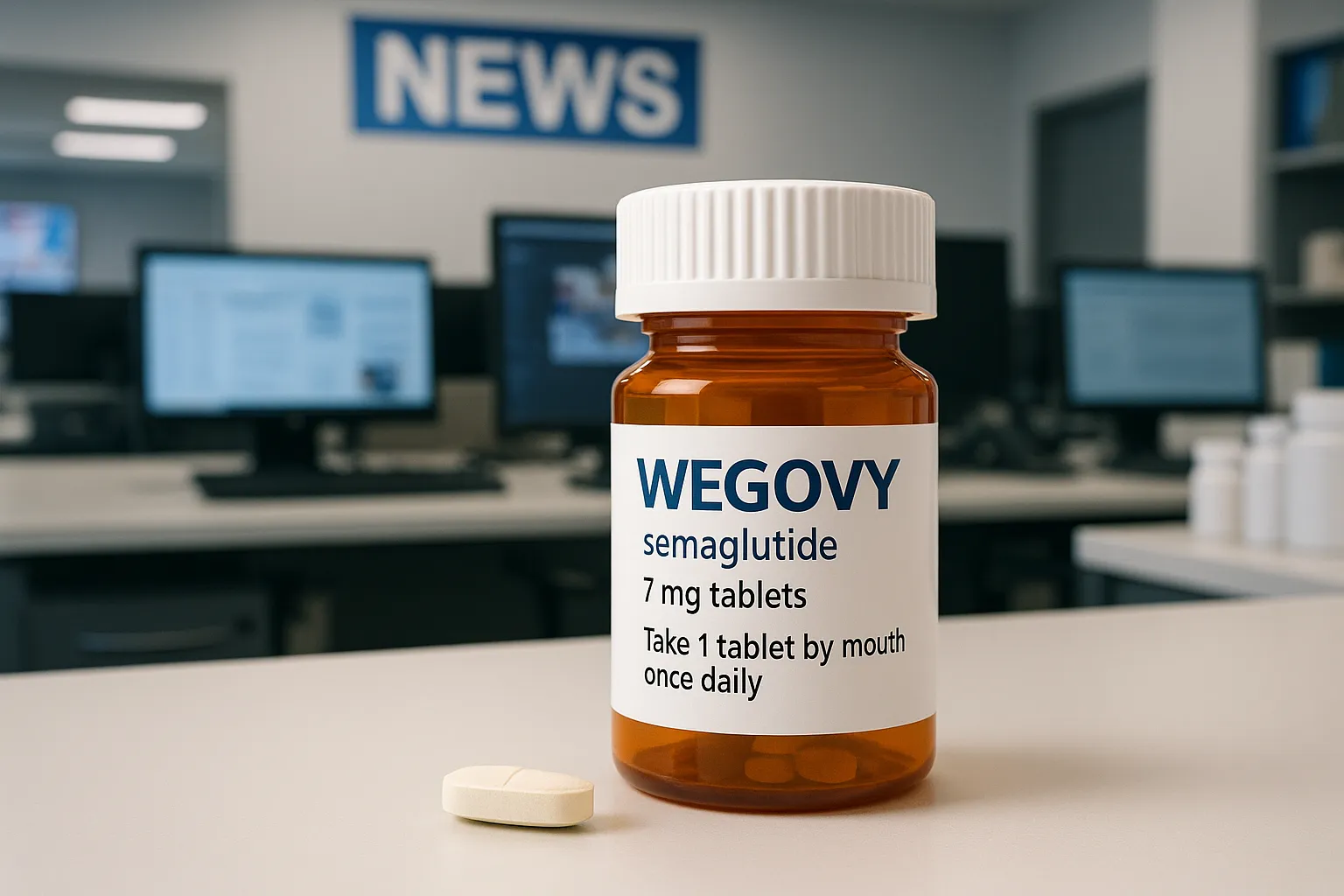
Medical professionals have published essential guidance for individuals in the UK considering the newly available Wegovy weight-loss tablet. This medication can now be accessed privately through various high-street pharmacies and online retailers. Comprising semaglutide, the active ingredient also present in the Wegovy injections, this pill functions by curbing appetite and slowing down the digestive process. Moreover, it represents a significant milestone as the first oral weight-loss medication approved by the Medicines and Healthcare products Regulatory Agency (MHRA). As it stands, the tablet is not yet available through the National Health Service (NHS).
Experts from CheqUp, a treatment provider, are recommending that individuals seek professional medical advice before transitioning from the injection format to the tablet. Lisa Tookey, the CEO of CheqUp, emphasised the importance of managing expectations around the treatment. She cautioned against the temptation to use Wegovy for rapid weight loss, stating: “What matters most is setting expectations. This isn’t a quick fix, and long-term success depends on pairing medication with lifestyle change and the right support.” Tookey elaborated on the adjustment phase, known as the titration period, explaining, “The first few months are about getting the body used to the medication, following the titration schedule safely, managing side effects and instilling healthy habits.”
In addition, she highlighted potential risks associated with improper use of the medication. “The biggest risks come from rushing dose increases, frequently stopping and starting or using medication without proper clinical oversight,” she advised. Tookey reiterated that maintaining a consistent approach is crucial, suggesting, “As with any prescription-only medication, consistency is key. It works best as part of a structured health plan with ongoing check-ins, so people stay within a clear clinical safety protocol and get results they can maintain.”
For individuals transitioning from the injection to the tablet form, CheqUp indicates that the pill is equally effective. Superintendent pharmacist Aaron Arman affirmed this, noting, “The Wegovy pill contains semaglutide, the same molecule as the Wegovy injection. It is the same medicine in a different form, with its own clinical profile and its own set of requirements.”
However, Arman pointed out a crucial practical difference concerning the administration of the pill. He stated, “This is the single most important practical difference. The Wegovy pill must be taken every morning on an empty stomach with up to 120ml of plain water, followed by a 30-minute wait before eating, drinking anything other than water, or taking other medications.” He advised individuals with unpredictable morning routines to consider this aspect carefully before making a switch.
Fortunately, for those making the transition, there is no need to restart the treatment from scratch. Arman explained: “There is a clinical pathway that maps where you are now to the right starting point on the Wegovy pill. Your clinician will look at your current dose and treatment history and work out the equivalent starting dose for the tablet.” He added that while there would still be an adjustment phase as the body acclimatises to the new method of absorption, this does not equate to starting the entire treatment anew.
The weight-loss pill’s introduction adds a new dimension to obesity management options available to patients, particularly as obesity remains a significant public health challenge in the UK. In recent years, researchers have sought out effective treatments to help manage weight in individuals who struggle to achieve significant results through diet and exercise alone. Weight loss medications, alongside lifestyle changes, can assist patients in achieving their health goals more effectively.
Movements within the realm of pharmaceuticals have sparked a growing interest in how medications can assist with weight control. Commentators have noted a shift towards more tailored weight management solutions, such as Wegovy, that offer patients alternatives that may suit their lifestyles and preferences better.
Regional health authorities are being urged to stay informed about emerging treatments such as Wegovy, as healthcare providers aim to enhance their understanding of emerging therapies to support patients effectively. Experts point out that access to comprehensive health services which include lifestyle intervention, behavioural support, and medication management facilitates better long-term outcomes for individuals seeking to lose weight.
As this new oral option becomes increasingly accessible, both clinicians and patients must navigate the path ahead with care and informed guidance. Continued monitoring of patient experiences with Wegovy tablets will provide necessary insights into their effectiveness and tolerability in real-world settings. This not only supports individual weight management journeys but also contributes to the wider community’s understanding of effective obesity treatments.
In conclusion, as healthcare providers, regulators, and patients evaluate the introduction of oral semaglutide, there remains a strong need for open communication regarding its use, potential benefits, and associated risks. Balancing informed awareness with accessibility is essential to ensure that individuals looking to manage their weight are equipped with the tools and knowledge they need to make informed decisions about their health.
Our Thoughts
The article highlights the importance of clinical oversight and patient education when introducing the Wegovy weight-loss pill in the UK. To avoid potential risks associated with its use, key measures could include ensuring that patients receive comprehensive information about transition protocols from the injection to the pill form, emphasizing adherence to proper dosing schedules and managing side effects.
The guidance stresses the necessity of consulting a clinician prior to switching treatments, which aligns with the Health and Safety at Work Act 1974, particularly the duty to ensure that any healthcare provision is carried out safely. Breaches of this could arise if patients bypass this consultation, leading to improper medication use.
Key safety lessons include the importance of thorough patient screening, clear communication about medication protocols, and ongoing monitoring of patients’ progress, to foster a safer treatment environment and mitigate risks of misuse.
To prevent similar incidents in the future, implementing mandatory training for healthcare providers on the specifics of new medications and their administration could enhance patient safety and ensure compliance with the Medicines Act 1968.