















Choose an AI chat
Concerns rise over proposed regulations threatening UK volunteer rescue teams
UK Health and Safety Latest

Concerns rise over proposed regulations threatening UK volunteer rescue teams

by Jade Anderson
July 20, 2026
0

Proposed amendments to the UK's Health and Social Care Act are raising alarm among volunteer search and rescue teams, who...

Read moreDetails
Proposal for maximum workplace temperatures raises urgent concerns for worker safety

Proposal for maximum workplace temperatures raises urgent concerns for worker safety

July 20, 2026
Campaign highlights life-changing injuries in farming during Farm Safety Week

Campaign highlights life-changing injuries in farming during Farm Safety Week

July 19, 2026
Asbestos risk in play sand raises concerns despite official reassurances

Asbestos risk in play sand raises concerns despite official reassurances

July 19, 2026
Cottage priced at £23,000 but no viewings due to safety concerns

Cottage priced at £23,000 but no viewings due to safety concerns

July 18, 2026

Archives

  • July 2026
  • June 2026
  • May 2026
  • April 2026
  • March 2026
  • February 2026
  • January 2026
  • December 2025
  • November 2025
  • October 2025
  • September 2025
  • July 2025
  • August 2009

Categories

  • Health and Safety Help
  • News
  • Policies
  • UK Health and Safety Latest
  • About
  • Advertise
  • Policies
    • Privacy Policy
    • Editorial Policy
    • Corrections & Complaints policy
  • Useful Documents
    • Understanding RIDDOR
    • 10 Workplace Safety Failures
    • A Complete Guide to Reporting Safety Incidents in the UK
    • Fire Risk Assessment: Meeting the Regulatory Reform (Fire Safety) Order
    • COSHH Basics: A Practical Guide to Control of Substances Hazardous to Health
    • Working at Height in the UK: The Essentials (WAH Regulations 2005)
    • Asbestos in the Workplace: Control of Asbestos Regulations 2012 (CAR) Essentials
    • Managing Contractors Under CDM 2015: Roles, Duties & Controls
    • DSE & Ergonomics: Healthy Workstations for Office & Hybrid Teams
    • Lock out Tag out LOTO
    • Workplace Transport Safety: Forklifts, Pedestrians & Traffic Management
    • Noise & Vibration at Work: Practical Controls (2005 Regulations)
    • Confined Spaces in the UK: Safe Entry under the Confined Spaces Regulations 1997
  • Contact
  • Agent
Tuesday, July 21, 2026
23 °c
London
21 ° Wed
21 ° Thu
23 ° Fri
  • Login
UK Safety News
  • Home
  • News
    • All
    • UK Health and Safety Latest
    Concerns rise over proposed regulations threatening UK volunteer rescue teams

    Concerns rise over proposed regulations threatening UK volunteer rescue teams

    Proposal for maximum workplace temperatures raises urgent concerns for worker safety

    Proposal for maximum workplace temperatures raises urgent concerns for worker safety

    Campaign highlights life-changing injuries in farming during Farm Safety Week

    Campaign highlights life-changing injuries in farming during Farm Safety Week

    Asbestos risk in play sand raises concerns despite official reassurances

    Asbestos risk in play sand raises concerns despite official reassurances

    Cottage priced at £23,000 but no viewings due to safety concerns

    Cottage priced at £23,000 but no viewings due to safety concerns

    Nurse sells illegal fat jabs in unmarked vials sparking health warnings

    Nurse sells illegal fat jabs in unmarked vials sparking health warnings

    Nurse sells illegal fat injections in unmarked vials

    Nurse sells illegal fat injections in unmarked vials

    Nurse under fire for selling illegal fat jabs in unmarked vials

    Nurse under fire for selling illegal fat jabs in unmarked vials

    Heatwave forces steam train ban, disrupting travel for Scots

    Heatwave forces steam train ban, disrupting travel for Scots

    Knew Productions marks decade-long collaboration with Jones Bros Civil Engineering

    Knew Productions marks decade-long collaboration with Jones Bros Civil Engineering

    Trending Tags

No Result
View All Result
UK Safety News
No Result
View All Result
Home News UK Health and Safety Latest

Concerns rise over proposed regulations threatening UK volunteer rescue teams

Jade Anderson by Jade Anderson
July 20, 2026
in UK Health and Safety Latest
Reading Time: 4 mins read
0
Concerns rise over proposed regulations threatening UK volunteer rescue teams

Story Highlight

– Proposed law changes could impact volunteer rescue operations.
– New regulations could impose high costs on volunteer teams.
– Volunteer rescuers fear losing vital emergency response capabilities.
– Coastguard teams exempt from new CQC registration rules.
– Increased bureaucracy may threaten volunteer-led rescue organizations.

Full Story

Proposed amendments to UK law have raised concerns among volunteer rescuers across the nation, who feel these changes could inadvertently jeopardise community safety during emergencies. The shift in regulatory oversight stems from modifications to the Health and Social Care Act 2008, which now mandates that organisations providing treatment for disease, disorder, or injury (TDDI) at public events such as sports and cultural gatherings must register with the Care Quality Commission (CQC).

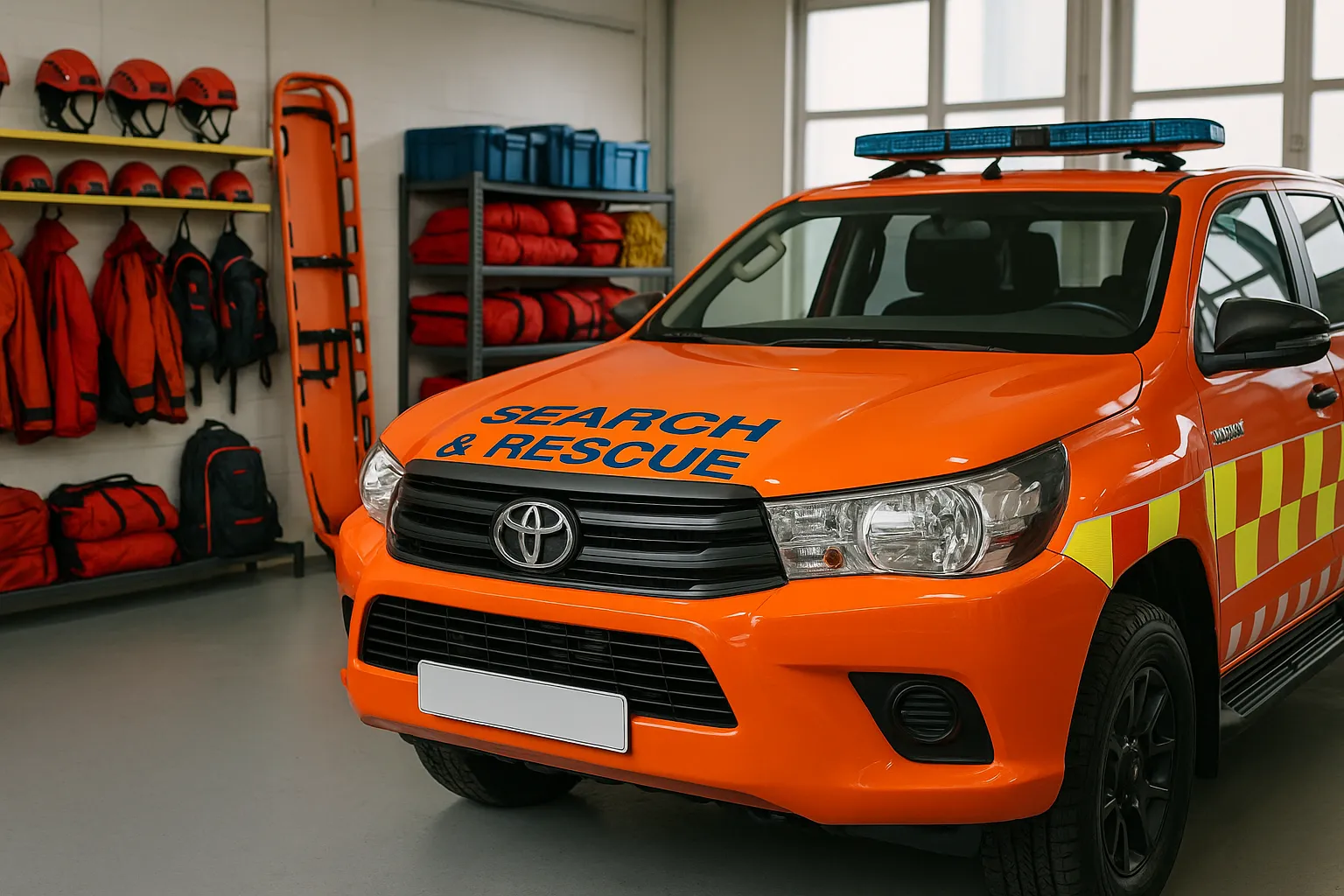
The issue has particularly resonated with volunteer search and rescue (SAR) teams in regions like Devon and Cornwall. Volunteers fear that the new regulatory framework will impose financial and operational burdens that could lead to the closure of crucial emergency services. Dr Bruce Hughes, a medical officer with the East Cornwall Search and Rescue Team, articulated the urgency of the situation, stating, “If we don’t go, there’s nobody else to go.”

While the legislative changes aim to enhance safety standards at large commercial events — a response to the recommendations made following the Manchester Arena Inquiry — these volunteer-led groups are concerned that they would be subjected to a uniform set of regulations that are ill-suited to their operational realities. The estimated registration fee of around £1,000, combined with ongoing compliance costs, presents a significant challenge for teams reliant on donations and fundraising efforts.

These volunteer SAR teams are distinct from their commercial counterparts, primarily operating through a network of dedicated volunteers who are on-call round the clock. Their services play a crucial role in locating missing persons, rescuing individuals who have sustained injuries in remote locations, and assisting emergency services in tackling incidents that occur in some of the UK’s most rugged terrains. For instance, the East Cornwall Search and Rescue Team responds to approximately 35 call-outs annually, a testament to their vital role in local communities.

The geographical challenges faced by these teams cannot be overstated. Across locations such as Dartmoor and Exmoor, SAR teams frequently access injured individuals and missing persons in areas where traditional emergency vehicles cannot reach. The reliance on these volunteer groups for swift action is particularly acute in remote communities, where even a slight reduction in operational capacity could have serious consequences.

The proposed regulations have generated trepidation regarding their practical implications. As part of the requirements, affected volunteer organisations will need to undertake CQC registration and adhere to stringent compliance protocols that could overwhelm teams lacking paid administrative resources. Dr Hughes expressed his support for appropriate regulation of paid first aid providers but advocated for an approach that considers the unique circumstances of volunteer organisations. “Registration with the CQC would be a terrible thing for us to have to do because we just don’t have the infrastructure and resources to be able to comply with that,” he stated.

Adding to the concerns, Dr Ben Morris from North Dartmoor Search and Rescue Team pointed out the risks of implementing a blanket regulatory framework. He warned that the financial strain and administrative burden could have a ripple effect, impacting community events where these teams provide essential medical cover, thus reducing a vital source of income for volunteer organisations.

The chair of Peninsula Search and Rescue, Paula Holbrook, highlighted the critical role that teams play in preemptively positioning themselves at large outdoor events. This proactive approach enables them to deliver immediate assistance during emergencies, significantly reducing response times. If the regulatory challenges become insurmountable, these teams might find themselves unable to deploy until after a formal emergency call is made, prolonging the duration that injured individuals must wait for assistance. “The quicker we can be there, the better,” Holbrook remarked.

Another contentious aspect of the proposed changes is the fact that HM Coastguard rescue teams are exempt from these new regulations. This disparity has prompted questions among volunteers, who have called for clarity on why their teams do not receive the same exemptions. The Care Quality Commission has indicated that any potential exception for volunteer SAR teams would require alterations to the legislation from the Department of Health and Social Care.

As demand for outdoor activities continues to rise, leading to an increase in call-outs for SAR teams, volunteers are adamant that they support the need for safety measures. However, they warn that the current proposals risk placing an unsustainable burden on their operations. Failure to reconsider these regulatory changes could lead to the diminishment of what has been referred to as the UK’s “fourth blue light” service, putting the lives of vulnerable individuals at greater risk in emergency situations.

Our Thoughts

The proposed changes to the Health and Social Care Act 2008 highlight a critical gap in considering the unique operational dynamics of volunteer search and rescue (SAR) teams. A failure to conduct a thorough impact assessment on how these regulations affect volunteer organizations could lead to the closure of vital emergency services, particularly in remote areas.

Key safety lessons include the need for tailored regulations that recognize the resource limitations of volunteer teams, contrasting with commercial healthcare providers. Regulatory frameworks should encourage rather than hinder lifesaving capabilities, ensuring community safety is preserved.

Relevant regulations that could be seen as breached or inadequately considered include the Management of Health and Safety at Work Regulations 1999, which require risk assessments that consider the specific working conditions of different organizations, including the reliance on volunteer efforts.

To prevent similar incidents, regulatory agencies should engage with volunteer organizations to develop a pragmatic approach that balances safety oversight with operational feasibility. This could involve creating exemption categories or a simplified registration process for volunteer groups, thereby maintaining their essential emergency response capabilities without imposing prohibitive administrative burdens.


Tags: Health and Safety
SummarizeShare35Share197SendSend
ADVERTISEMENT
Jade Anderson

Jade Anderson

Jade Anderson is a safety and compliance reporter specialising in UK regulatory affairs, HSE prosecutions, and workplace injury news. With experience covering health and safety law and enforcement, Jade brings in-depth analysis of court cases, fines, and lessons learned from workplace incidents across the UK.

Related Posts

UK issues amber heat health alerts as temperatures soar

UK issues amber heat health alerts as temperatures soar

by Tara Rowden
June 17, 2026
0

The UK Health Security Agency has issued amber heat health alerts as temperatures are expected to soar above 30°C (86°F)...

Immerse Safety marks second birthday with new office move

Immerse Safety marks second birthday with new office move

by Jade Anderson
March 10, 2026
0

Immerse Safety, the Gorleston-based health and safety consultancy founded by Carly Hughes in 2024, is celebrating its second birthday with...

Leave a Reply Cancel reply

Your email address will not be published. Required fields are marked *

I agree to the Terms & Conditions and Privacy Policy.

Useful Documents

  • Understanding RIDDOR
  • 10 Workplace Safety Failures
  • A Complete Guide to Reporting Safety Incidents in the UK
  • Understanding RIDDOR
  • Fire Risk Assessment: Meeting the Regulatory Reform (Fire Safety) Order
  • COSHH Basics: A Practical Guide to Control of Substances Hazardous to Health
  • Working at Height in the UK: The Essentials (WAH Regulations 2005)
  • Lock out Tag out LOTO

Recent Posts

  • Concerns rise over proposed regulations threatening UK volunteer rescue teams
  • Proposal for maximum workplace temperatures raises urgent concerns for worker safety
  • Campaign highlights life-changing injuries in farming during Farm Safety Week
  • Asbestos risk in play sand raises concerns despite official reassurances
  • Cottage priced at £23,000 but no viewings due to safety concerns

Recent Comments

  1. Piper Douglas on Worker dies due to inadequate machinery safety measures
  2. Natalie Coleman on New housing laws aim to tackle damp and mould crisis in England
  3. Simon Barrett on Honeymoon ruined by illness as newlywed suffers severe infection in Cape Verde
  4. Nolan Barrett on Work-related ill health in Great Britain remains a concern after pandemic peak
  5. Dylan Reeves on Sickness rates among Scottish police officers soar to troubling levels
UK Safety News

Copyright © 2026
UK Safety News

Navigate Site

  • About
  • Advertise
  • Policies
  • Useful Documents
  • Contact
  • Agent

Follow Us

Welcome Back!

Login to your account below

Forgotten Password?

Retrieve your password

Please enter your username or email address to reset your password.

Log In
No Result
View All Result
  • Home
  • News

Copyright © 2026
UK Safety News

This website uses cookies. By continuing to use this website you are giving consent to cookies being used. Visit our Privacy and Cookie Policy.