















Story Highlight
– Yvette Cooper praised maternity staff during hospital visit.
– New triage system improved care and increased referrals.
– £4.5m funding announced for Berkshire maternity services.
– Maternity unit facing higher complexity and risk pregnancies.
– Focus on improving standards and addressing health inequalities.
Full Story
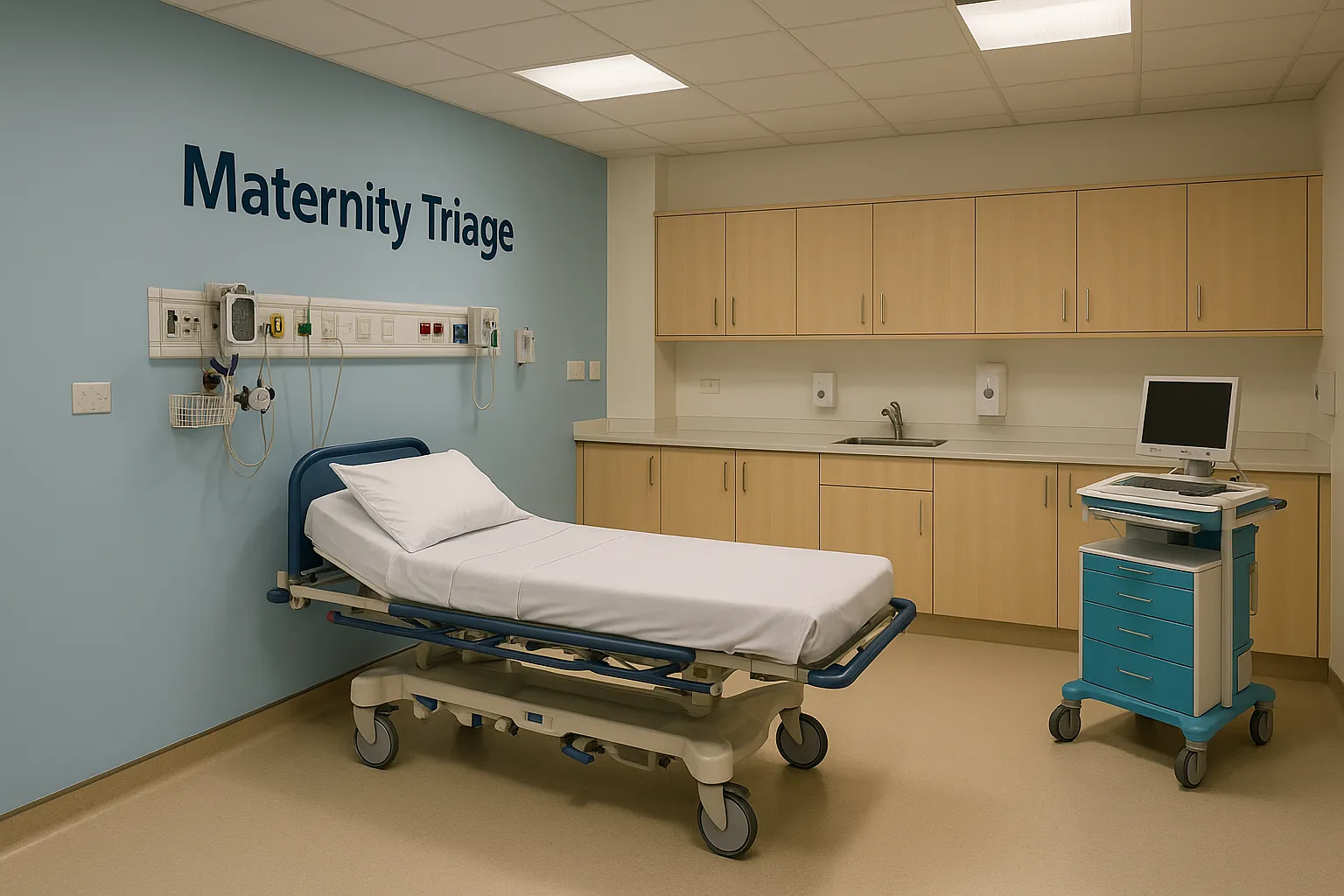
Health Secretary Yvette Cooper has praised the dedicated personnel at the Royal Berkshire Hospital’s maternity unit during her visit on July 22. Engaging directly with staff, she emphasised the advancements made within the department, specifically appreciating the newly implemented triage system. This revised process has reportedly enhanced the speed of care delivery and improved the assessment of higher-priority cases.
The maternity unit has seen a remarkable rise in patient intake; in earlier months of 2023, the facility was managing around 600 referrals each month. Since the introduction of the new triage protocol, this figure has surged to over 1,000 monthly, as nurses highlighted.
Cooper’s visit coincides with a broader governmental initiative to alleviate pressures on general practitioners by shifting some of the maternal appointment responsibilities. The increase in high-risk pregnancies has also been acknowledged by nursing staff, illustrating a need for comprehensive support systems.
In a move to further bolster maternity services, Cooper announced a £4.5 million funding boost aimed at addressing safety concerns within maternity and neonatal units across Berkshire. This investment will facilitate improvements in various aspects of healthcare infrastructure, including fire safety measures, ventilation systems, and addressing issues related to outdated facilities.
The Care Quality Commission currently rates the Royal Berkshire Hospital’s maternity services as ‘good’ overall; however, there is a pressing national mandate for reform, as highlighted by the recent Amos Review. This report has drawn attention to a crisis in maternity services, claiming they are ‘overstretched’ and often fail to adequately address the needs and voices of women and their families.
During her tour of the hospital, Cooper reflected on the significance of maternity care for families, saying: “It matters for families right across Reading, right across the country. This is also very important from the very first day of the newborn’s life right through to the precious final years in somebody’s life, so I was really keen to come to Reading to see the work that they’re doing here now on improving maternity services.”
The funding allocation aims to foster safer environments within maternity units, recognising that robust infrastructure is critical for effective healthcare delivery. Cooper observed that Royal Berkshire Hospital has been managing an increasing number of complex cases, including a rise in elective caesarean sections, a trend attributed to women’s preferences as well as pre-existing health conditions such as diabetes becoming more common in childbirth.
Another significant contributing factor has been the trend of mothers increasingly delaying pregnancy until their late 30s or early 40s, resulting in a need for more sophisticated care to ensure safety and health during childbirth. Reflecting on the transformations observed over her career, Cooper noted, “Compared to when I was working in maternity services 25 years ago, there are really significant changes and more complex cases is what we’re talking about, and every family needs support. Every pregnant mum needs the proper support and needs to ensure they’ve got that help, and it’s in place, whatever their circumstances.”
Moreover, Cooper highlighted the necessity of addressing health inequalities to guarantee that all families receive equitable care. She committed to advancing the ongoing improvements in service provision, acknowledging the extensive work still required over the coming year. “There is a lot of work underway about how to improve services, but we have a lot of work to do and that’s what I want to drive forward over the next year,” she stated.
In discussions with hospital staff, Cooper received encouraging feedback about the increased staffing situation, particularly noting that additional midwives have been successfully assigned to the triage unit. This development is part of a broader initiative, commencing in June 2024, aimed at increasing the number of midwives employed across England by recruiting an additional 2,000 professionals.
Emphasising the significance of adequate staffing in maternity care, she remarked: “I think that’s really important because we need to make sure that there’s the right staffing in place.”
Cooper’s visit reflects a national commitment to learn from historical shortcomings in maternal and neonatal care, advocating for elevated standards throughout the country. She remarked, “Across the country we need to increase our focus on standards, and the standards in maternity care and neonatal care are particularly important and have a huge impact on a family’s life. So I want to see that stronger focus on standards in maternity care.”
The Health Secretary also acknowledged the distress caused by past reports and cases that have affected families adversely, reiterating the necessity for a nationwide commitment to learning and improvement within maternity services. “We’ve had a series of national reports as well as some very local cases as well that have been very distressing for families, so we need to make sure that we’re learning lessons across the board,” Cooper concluded, underscoring her dedication to enhancing maternity care for all families across the UK.
Our Thoughts
Improvements in maternity services at the Royal Berkshire Hospital highlight critical safety lessons that could help prevent future incidents. The increase in patient numbers from self-referrals undermined capacity, indicating a need for better resource management in accordance with the Health and Safety at Work Act 1974, which mandates adequate planning to ensure sufficient staff and facilities.
The reported issues of outdated infrastructure, including fire safety and ventilation, breached the Regulatory Reform (Fire Safety) Order 2005 and the Health and Safety (Workplace) Regulations 1992. These regulations stipulate that health facilities must meet specific safety and operational standards to protect both staff and patients.
To prevent similar incidents, the hospital should implement regular risk assessments, particularly in light of changing patient demographics like more high-risk pregnancies, as highlighted by the Amos Review. Increased staffing, including an additional 2,000 midwives, is a positive step, yet ongoing training and adequate resource allocation are essential to ensure that safety standards keep pace with rising care demands. Regular feedback mechanisms from staff can further support continuous improvement in safety and care quality.