















Story Highlight
– Puratos fined £120,000 for health and safety violations.
– Employees at risk of occupational asthma from dust exposure.
– Unsafe practices included dust leaks and improper cleaning methods.
– Workers lifted 25kg sacks, risking musculoskeletal injuries.
– HSE emphasizes need for better protection in workplaces.
Full Story
Puratos, a prominent supplier in the food ingredients sector, has been penalised £120,000 after a thorough investigation by the Health and Safety Executive (HSE) revealed significant health risks for its workers. The inquiry stemmed from concerns over the potential for employees to develop occupational asthma while working at the company’s facility located in Buckingham.
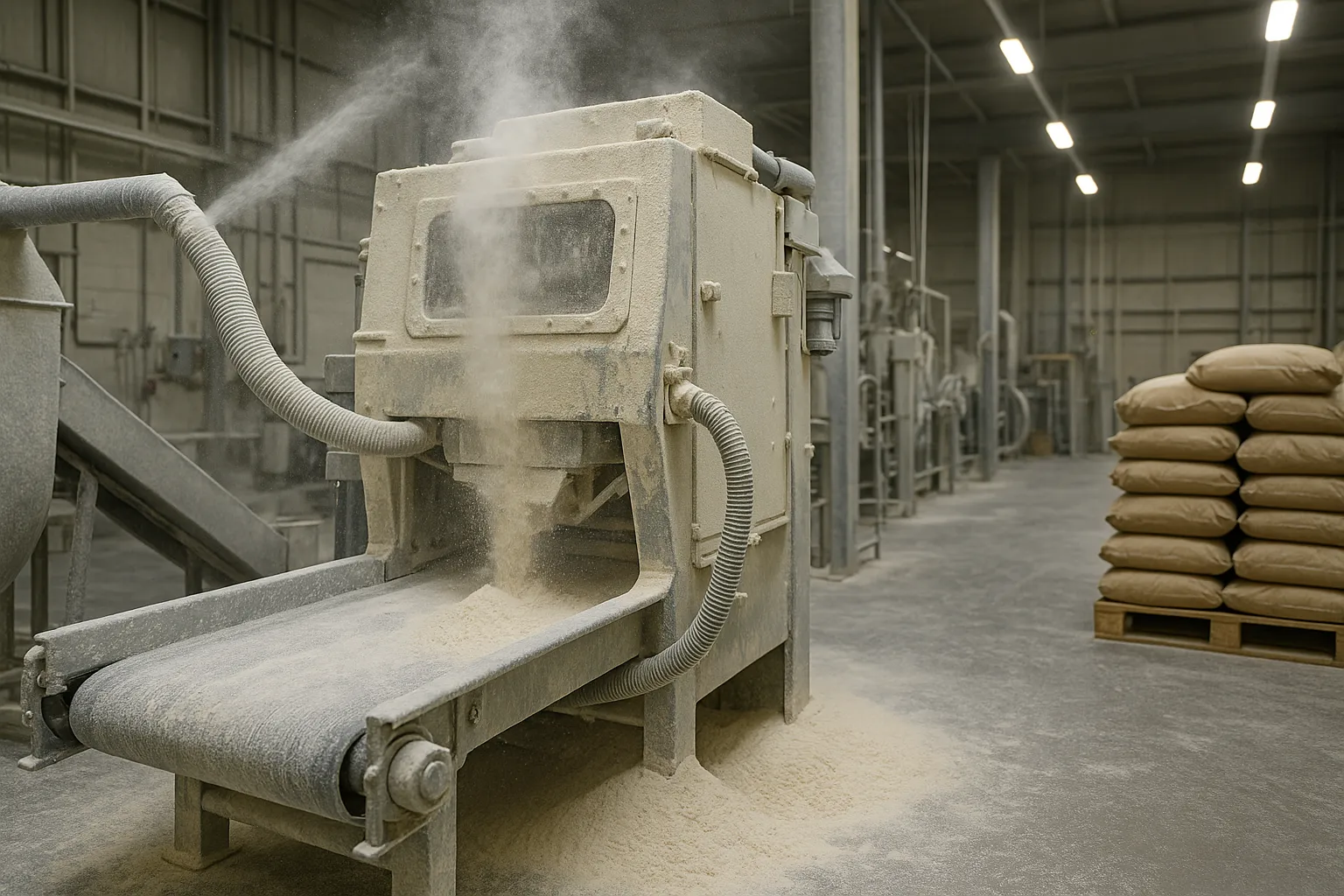
An HSE inspection conducted on 3 December 2024 uncovered several hazardous practices within the factory. These included instances of dust escaping from machinery due to operational leaks, reliance on compressed air to remove dust from surfaces, and the use of dry sweeping methods which exacerbate dust dispersal rather than containing it.
A subsequent dust monitoring assessment carried out on 18 December 2024 corroborated these findings, revealing that workers were exposed to levels of inhalable dust that exceeded the safety thresholds established by the HSE. The health implications of such exposure are serious; according to the HSE, materials like flour can be classified as ‘respiratory sensitisers’, which may lead to the development of occupational asthma. This condition arises when the airways become hypersensitive, making individuals more susceptible to asthma attacks, particularly upon future exposure to these irritants.
In addition to the airborne risks, the HSE report highlighted that employees at the factory were regularly manoeuvring heavy sacks weighing up to 25kg. The repetitive manual handling of such substantial loads poses a risk of musculoskeletal injuries, which the HSE asserts should be avoided wherever feasible, underlining the need for better ergonomic practices in the workplace.
The Buckingham site had previously faced scrutiny in 2021, prompting enforcement measures concerning the risks linked to dust exposure and manual handling challenges inherent in its food production processes.
In response to the findings from the latest investigation, a spokesperson for Puratos stated that the company had swiftly initiated a series of corrective actions. These measures included considerable investments to enhance dust control mechanisms, employee training, monitoring procedures, and improvements in health and safety governance throughout the Buckingham facility. “The health, safety and wellbeing of our employees remain our highest priority,” the spokesperson affirmed. “We continue to review and enhance our processes and remain committed to providing a safe working environment for all colleagues.”
During a court session at Milton Keynes Magistrates’ Court on 17 July 2026, Puratos admitted guilt to violating Section 2(1) of the Health and Safety at Work etc. Act 1974. As a result of these admissions, the company was fined £120,000 and instructed to cover costs amounting to £6,270.
Following the court proceedings, HSE inspector Emma Page commented on the case, emphasising the ongoing issue of worker safety within the bakery sector. “Too many workers in bakeries are suffering from unnecessary exposure to dusty ingredients, including flour. When employers prevent exposure, the risk of occupational asthma is removed,” she remarked. Page further emphasised the widespread nature of injuries in the food and drink sector, highlighting that around one-third of reportable injuries stem from acute incidents related to handling and lifting tasks.
Recognising the urgency of addressing these workplace hazards, the HSE has announced an upcoming initiative focusing on airborne dust, particularly within the UK’s large bakeries. This effort underscores the agency’s commitment to reducing health risks associated with dust exposure in food manufacturing environments.
The implications of this investigation and its consequences reach further than Puratos alone. It draws attention to the critical need for rigorous adherence to health and safety protocols across the food industry. With an increasing number of employees potentially exposed to domestic and workplace hazards, including those emanating from commonplace materials such as flour, the HSE’s recent actions signal an important shift towards increased accountability among employers.
As the industry progresses, the onus is now on food manufacturers to strengthen their safety practices, minimise exposure to harmful substances, and ensure that all employees are well-informed and protected against occupational hazards. Enhanced training programs and robust safety measures could be pivotal in preventing similar circumstances in the future.
The lessons from Puratos’ case serve as a timely reminder of the centrality of worker safety in the food production sector. With the implications for public health and employee wellbeing being so profound, it is expected that the focus on occupational health and safety will intensify moving forward, leading to a more secure and healthy working environment for all involved in the industry.
Our Thoughts
To prevent the incident at Puratos, a comprehensive risk assessment should have been conducted to identify and mitigate hazards related to dust exposure and manual handling. The company breached Section 2(1) of the Health and Safety at Work etc. Act 1974 by failing to ensure the health and safety of employees. Key safety lessons include the importance of implementing effective dust control measures, such as localized extraction systems and minimizing reliance on manual cleaning techniques like dry sweeping, which disturbs airborne dust.
Regular monitoring of airborne dust levels should have been undertaken to ensure compliance with workplace exposure limits. Additionally, implementing mechanical aids for lifting heavy loads and providing adequate training for employees on safe manual handling techniques could reduce the risk of musculoskeletal injuries. Given the HSE’s previous enforcement actions, a proactive approach to health and safety management was necessary. Future incidents could be prevented by fostering a safety culture, ensuring ongoing training, and routinely evaluating health and safety practices in line with the Management of Health and Safety at Work Regulations 1999.