















Story Highlight
– Train drivers demand better toilet facilities and breaks.
– Aslef warns rail companies of failed health promises.
– ORR calls for improved staff welfare provisions urgently.
– Progress on facilities has been slow and inconsistent.
– Department for Transport expects compliance with regulations.
Full Story
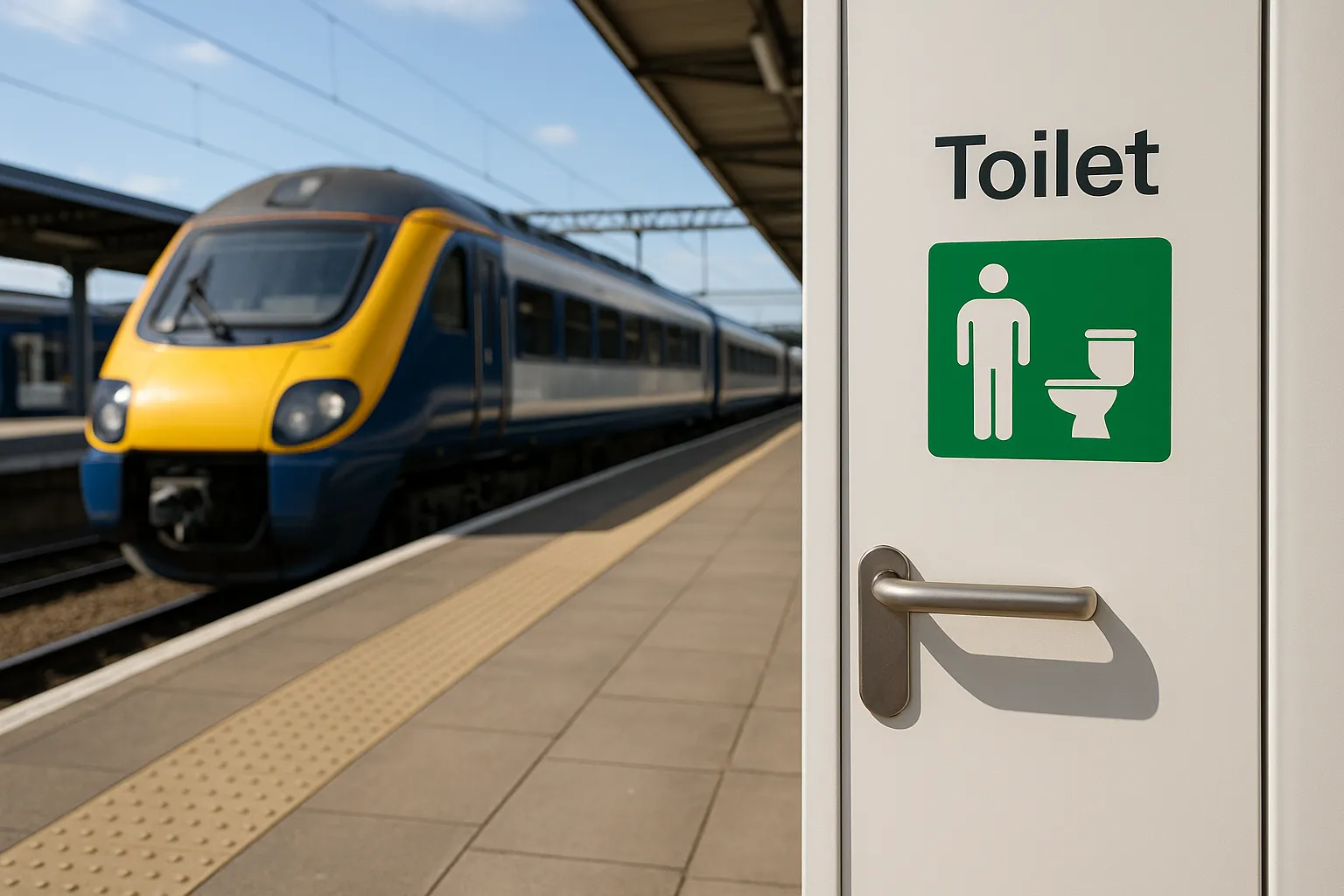
Train drivers in the UK are pressing rail companies to improve the provision of toilet facilities and breaks, following an urgent call from the national rail regulator for better conditions for staff last year. Aslef, the union representing train drivers, has expressed its dissatisfaction, declaring that the failure of companies like Network Rail to enhance these essential amenities has left the workforce in an unacceptable position.
In November 2024, Aslef released a report titled “Dignity for Drivers,” which highlighted the ongoing inadequacies in toilet facilities and the limited opportunity for drivers to access them during their shifts. This was a key concern echoed by the Office of Rail and Road (ORR) in July 2025, which underscored the necessity for both passenger and freight operators to improve staff facilities, classifying it as fundamental to health, safety, and respect for employees.
The report from Aslef has raised significant alarms regarding the welfare charter created by the Rail Safety and Standards Board, which has yet to be effectively implemented across the rail network. Dave Calfe, the general secretary of Aslef, emphasised the urgent need for tangible improvements. “We need action, not broken promises, to improve toilet facilities for drivers and to reduce the time drivers are expected to go without being able to take a toilet break,” he stated. His comments reflect a growing frustration over the lack of responsiveness from the rail industry.
Calfe further conveyed the importance of prioritising the health and well-being of train drivers. “The health and wellbeing of our members is not a price we are prepared to pay for the inaction of the industry. That’s why we are calling them out publicly and telling them – in no uncertain terms – that it is time for them to deliver, to do what they promised. And, if they don’t, there will be consequences,” he warned, signalling a possible escalation in union actions if changes are not made.
The ORR’s latest annual report, released this month, revealed that improvements concerning staff welfare have been inconsistent across the industry. It noted that momentum has slowed, primarily due to ongoing issues with “coordination, shared access to facilities, and consistent delivery.” The report stated, “We will continue to assess welfare provision through inspections and engagement, while encouraging wider adoption of the Charter. Sustained focus is needed to translate commitment into practical improvements and ensure workers have consistent access to appropriate facilities.”
Calfe reiterated the urgency of the situation, feeling that the industry has not fulfilled its commitments made over a year ago. “Twenty months after we exposed this scandal, and a year after the train companies promised to do the right thing, drivers are still paying with their health for industry inaction,” he said, reinforcing the call for immediate improvements. “We are putting the rail industry on notice that we have had enough of their excuses. The industry and the government cannot continue failing the workforce on the most basic level, and we need action now.”
In response to these developments, a spokesperson from the Department for Transport highlighted the legal obligations placed upon train operators, stating that they are required to provide suitable toilet facilities for their workforce. “We expect them to meet these obligations,” the spokesperson affirmed, indicating that the government anticipates greater collaboration within the industry to resolve welfare concerns. As reforms are underway, these issues will be integrated into future strategies pertaining to the establishment of Great British Railways.
The insistence from train drivers regarding adequate toilet facilities underscores a larger conversation about worker welfare in the rail industry. Industry experts suggest that without proper provisions for basic needs, the health and safety of the workforce can be severely compromised. The ongoing dialogue around these issues is critical, particularly as the UK revitalises its rail system under new management frameworks.
Many industry insiders believe that tackling such fundamental welfare issues is paramount to attracting and retaining skilled personnel in the rail sector. As train services strive to return to normality post-COVID-19, ensuring that employees have satisfactory working conditions will be central to maintaining service reliability and efficiency.
The current situation has triggered a closer examination of how the rail industry operates, with unions and regulators alike pushing for accountability and reform. Ensuring that drivers can operate in a dignified environment is not merely a matter of logistics; it is a pressing ethical concern that reflects broader societal values regarding respect and care for workers.
With discussions surrounding these welfare issues gaining visibility, the implications for the rail industry could be significant. Future engagements between union representatives and the industry are likely to occur as both sides navigate the complexities of ensuring compliance with regulations and improving conditions for all railway workers.
As the call for action continues, it stands to reason that the rail companies will face mounting pressure to respond adequately to the workforce’s needs. The outcome of these pressures will not only impact the current generation of train drivers but will also shape the landscape of the rail industry for years to come. A commitment to improving toilet facilities and generous break times is essential, as it lays the groundwork for a more respectful and healthier working environment for all involved in rail travel in the UK.
Our Thoughts
The report highlights ongoing failures by British rail companies to provide adequate toilet facilities and breaks for train drivers, which could be addressed by enforcing existing health and safety regulations. The Health and Safety at Work Act 1974 mandates employers to ensure the health, safety, and welfare of workers, including the provision of suitable sanitary conveniences. The failure to meet these obligations poses serious health risks and undermines the dignity of staff, violating regulatory requirements.
To prevent similar incidents, rail companies should conduct regular audits and engage in meaningful dialogue with unions, like Aslef, to assess and improve welfare facilities. Implementation of the welfare charter by the Rail Safety and Standards Board must be prioritized, ensuring consistent access to proper facilities.
Key safety lessons include the importance of timely action in addressing workforce welfare concerns and the necessity of collaboration between the industry and regulatory bodies to uphold safety standards. With ongoing neglect and insufficient facilities, the risk to driver health and well-being remains unabated, calling for immediate and decisive action from the rail sector.