
















Choose an AI chat
Train drivers demand improved toilet facilities and breaks after regulatory failures
UK Health and Safety Latest

Train drivers demand improved toilet facilities and breaks after regulatory failures

by Michael Harland
July 28, 2026
0

Train drivers in the UK are demanding urgent improvements to toilet facilities and break times, with the Aslef union warning...

Read moreDetails
Outbreak of cyclosporiasis reveals gaps in US food safety system

Outbreak of cyclosporiasis reveals gaps in US food safety system

July 28, 2026
Construction safety under scrutiny as fatalities rise in high-risk industry

Construction safety under scrutiny as fatalities rise in high-risk industry

July 28, 2026
Talcum powder safety concerns escalate amid legal battles for Johnson & Johnson

Talcum powder safety concerns escalate amid legal battles for Johnson & Johnson

July 28, 2026
Train drivers face strike over lack of toilet facilities

Train drivers face strike over lack of toilet facilities

July 28, 2026

Archives

  • July 2026
  • June 2026
  • May 2026
  • April 2026
  • March 2026
  • February 2026
  • January 2026
  • December 2025
  • November 2025
  • October 2025
  • September 2025
  • July 2025
  • August 2009

Categories

  • Health and Safety Help
  • News
  • Policies
  • UK Health and Safety Latest
  • About
  • Advertise
  • Policies
    • Privacy Policy
    • Editorial Policy
    • Corrections & Complaints policy
  • Useful Documents
    • Understanding RIDDOR
    • 10 Workplace Safety Failures
    • A Complete Guide to Reporting Safety Incidents in the UK
    • Fire Risk Assessment: Meeting the Regulatory Reform (Fire Safety) Order
    • COSHH Basics: A Practical Guide to Control of Substances Hazardous to Health
    • Working at Height in the UK: The Essentials (WAH Regulations 2005)
    • Asbestos in the Workplace: Control of Asbestos Regulations 2012 (CAR) Essentials
    • Managing Contractors Under CDM 2015: Roles, Duties & Controls
    • DSE & Ergonomics: Healthy Workstations for Office & Hybrid Teams
    • Lock out Tag out LOTO
    • Workplace Transport Safety: Forklifts, Pedestrians & Traffic Management
    • Noise & Vibration at Work: Practical Controls (2005 Regulations)
    • Confined Spaces in the UK: Safe Entry under the Confined Spaces Regulations 1997
  • Contact
  • Agent
Tuesday, July 28, 2026
25 °c
London
25 ° Wed
22 ° Thu
21 ° Fri
  • Login
UK Safety News
  • Home
  • News
    • All
    • UK Health and Safety Latest
    Train drivers demand improved toilet facilities and breaks after regulatory failures

    Train drivers demand improved toilet facilities and breaks after regulatory failures

    Outbreak of cyclosporiasis reveals gaps in US food safety system

    Outbreak of cyclosporiasis reveals gaps in US food safety system

    Construction safety under scrutiny as fatalities rise in high-risk industry

    Construction safety under scrutiny as fatalities rise in high-risk industry

    Talcum powder safety concerns escalate amid legal battles for Johnson & Johnson

    Talcum powder safety concerns escalate amid legal battles for Johnson & Johnson

    Train drivers face strike over lack of toilet facilities

    Train drivers face strike over lack of toilet facilities

    Redbridge Council faces backlash over £300,000 herbicide spending

    Redbridge Council faces backlash over £300,000 herbicide spending

    Rising child drowning incidents prompt urgent call for water safety measures

    Rising child drowning incidents prompt urgent call for water safety measures

    Heat health alerts issued across UK as rain forecast arrives

    Heat health alerts issued across UK as rain forecast arrives

    New UK regulations target harmful ingredients in nail gels

    New UK regulations target harmful ingredients in nail gels

    Company charged with corporate manslaughter after engineer's electrocution

    Company charged with corporate manslaughter after engineer’s electrocution

    Trending Tags

No Result
View All Result
UK Safety News
No Result
View All Result
Home News UK Health and Safety Latest

Train drivers face strike over lack of toilet facilities

Jade Anderson by Jade Anderson
July 28, 2026
in UK Health and Safety Latest
Reading Time: 4 mins read
0
Train drivers face strike over lack of toilet facilities

Story Highlight

– Train drivers face severe lack of toilet facilities.
– Union threatens strike due to unresolved sanitation issues.
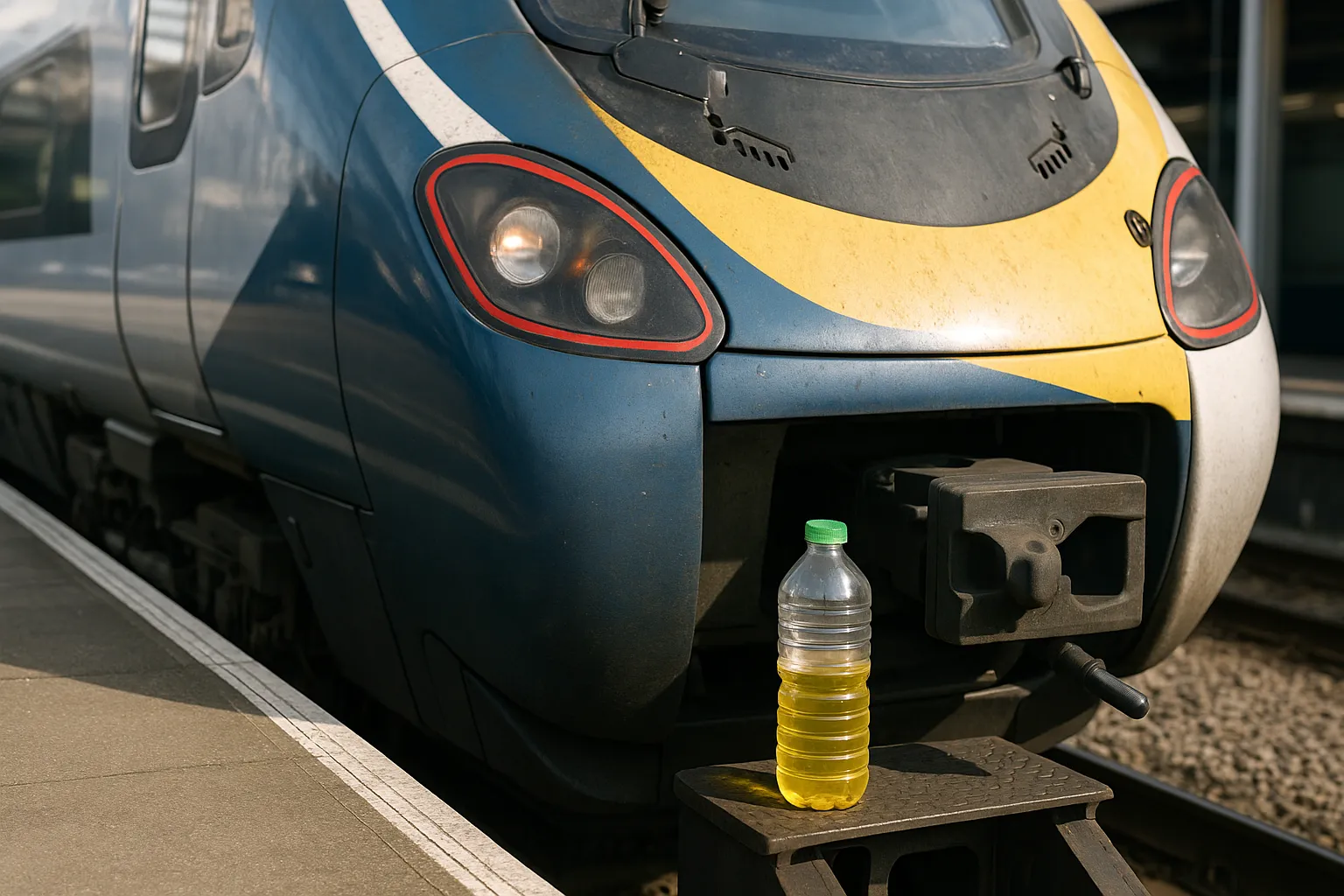
– Drivers resorting to urinating in bottles, risking health.
– Female drivers disproportionately affected, hindering recruitment efforts.
– Welfare charter implementation progress remains slow and inadequate.

Full Story

Train drivers in the UK are facing a serious predicament, with reports emerging that some have been forced to use bottles to relieve themselves due to a concerning lack of toilet facilities. This situation has prompted unions, particularly Aslef, to consider strike action as they seek urgent improvements in working conditions.

A year has passed since the rail regulator made recommendations for operators to enhance toilet provisions and allow for necessary breaks. However, Aslef, which represents a significant number of train drivers, asserts that these basic needs remain unfulfilled. The union has long campaigned for better restroom access, highlighting the detrimental impact on drivers’ health and safety.

Dave Calfe, general secretary of Aslef, stated that the union is now “putting the industry on notice” regarding this pressing issue. Despite prior assurances from train operators that they would adhere to a charter established by the rail safety board, conditions remain largely unchanged.

A report titled “Dignity For Drivers,” released in 2024, sheds light on widespread dissatisfaction among train operators. Many drivers reported challenges in accessing working toilets, leading to some resorting to using bottles or even defecating within the cabs. This alarming trend poses significant health risks; drivers have been seen limiting their fluid intake to avoid the need for restroom breaks, jeopardising both their wellbeing and that of passengers.

Calfe stressed the urgency of the situation, insisting on the necessity for concrete action rather than unfulfilled promises. He remarked, “We need action, not broken promises,” emphasising that the health and wellbeing of union members should not be sacrificed due to the industry’s negligence.

In a letter dated July 29, 2025, Richard Hines, HM chief inspector of railways at the Office of Rail and Road (ORR), underscored the importance of reliable welfare facilities, deeming them essential in any civilised society. He asserted that the present circumstances, in which some staff lack proper facilities or sufficient time to utilise them, are wholly unacceptable, raising significant concerns about human dignity, health, and safety.

Aslef’s leadership has made it clear that if no improvements are observed in the near future, they will not shy away from pursuing industrial action. “Our demand is straightforward: drivers should not go longer than four hours without access to agreed toilet facilities. This measure is crucial to avoiding serious health issues such as deep vein thrombosis and various cancers,” Calfe highlighted.

The union emphasised the particular hardships faced by female drivers, stating that the inadequate facilities discourage women from pursuing careers within the rail industry. This challenge aligns with broader efforts to enhance diversity within the workforce, which have seen insufficient progress in recent years.

The welfare charter, which was supposed to be enacted within twelve months of its inception, mandates that toilets across the network must be “safe, clean, accessible, and dignified,” as well as stipulating that drivers should not be confined to their seats for more than four hours. However, the latest annual report from the ORR revealed that despite earlier commitments and an initial willingness to sign the charter, actual progress has been uneven, with ongoing barriers concerning coordination and equitable access to facilities.

Calfe elucidated that a year after operators committed to rectifying the issue, drivers continue to suffer due to the inaction of industry leaders. He reiterated the message that the rail sector, alongside governmental bodies, cannot afford to neglect the fundamental needs of its workforce any longer. “We are putting the rail industry on notice that we have had enough of their excuses,” he asserted.

The deteriorating conditions for train drivers have sparked widespread criticism, and the implications for passenger safety are beginning to attract greater scrutiny as well. With a considerable number of drivers expressing a sense of distress regarding their working conditions, the potential for industrial action looms large unless operators deliver on their promises.

Public transportation plays an integral role in the daily lives of many, and ensuring the health and safety of those who operate these services should be a top priority. As the conversations surrounding these issues gain momentum, it remains to be seen how the rail operators will respond and whether substantial changes can be implemented promptly to address the fundamental needs of drivers.

In summary, the plight of train drivers in the UK, compounded by insufficient facilities and poor working conditions, highlights a critical gap in the rail sector’s commitment to its workforce. Aslef continues to advocate for necessary reforms, urging railway companies to fulfil their commitments and prioritise the welfare of all staff. The pressure for change is mounting, and the outcome of these discussions may very well shape the future landscape of the UK’s railway system.

Our Thoughts

The article highlights significant failures in providing adequate welfare facilities for train drivers, which is in breach of the Health and Safety at Work Act 1974, specifically the duty to ensure the health, safety, and welfare of employees. To prevent such situations, train operators should have conducted comprehensive risk assessments and implemented a strong welfare strategy that includes reliable access to toilet facilities.

Key safety lessons include the importance of timely compliance with regulations and the necessity of maintaining effective communication and coordination among stakeholders. The welfare charter’s failure to be implemented within the agreed timeframe showcases a lack of accountability and diligence, leading to adverse health consequences for drivers.

To avoid similar incidents in the future, railway companies must prioritize compliance with the regulations set by the Office of Rail and Road (ORR) and regularly review and assess the condition of facilities available to staff. Additionally, fostering an open dialogue with unions like Aslef could facilitate proactive solutions to welfare concerns, ultimately enhancing the working environment and supporting employee well-being.


Tags: Health and Safety
SummarizeShare35Share198SendSend
ADVERTISEMENT
Jade Anderson

Jade Anderson

Jade Anderson is a safety and compliance reporter specialising in UK regulatory affairs, HSE prosecutions, and workplace injury news. With experience covering health and safety law and enforcement, Jade brings in-depth analysis of court cases, fines, and lessons learned from workplace incidents across the UK.

Related Posts

Pharmacy campaign warns of dangers of unregulated weight loss drugs

Pharmacy campaign warns of dangers of unregulated weight loss drugs

by Michael Harland
June 19, 2026
0

The Care Pharmacy in Bradford has launched a campaign aimed at raising awareness about the dangers associated with unregulated weight...

Experts warn against risky weight-loss injection hacks

Experts warn against risky weight-loss injection hacks

by Michael Harland
February 7, 2026
0

Experts are raising alarms over the rise of dangerous practices among those using weight-loss injections in the UK, with nearly...

Leave a Reply Cancel reply

Your email address will not be published. Required fields are marked *

I agree to the Terms & Conditions and Privacy Policy.

Useful Documents

  • Understanding RIDDOR
  • 10 Workplace Safety Failures
  • A Complete Guide to Reporting Safety Incidents in the UK
  • Understanding RIDDOR
  • Fire Risk Assessment: Meeting the Regulatory Reform (Fire Safety) Order
  • COSHH Basics: A Practical Guide to Control of Substances Hazardous to Health
  • Working at Height in the UK: The Essentials (WAH Regulations 2005)
  • Lock out Tag out LOTO

Recent Posts

  • Train drivers demand improved toilet facilities and breaks after regulatory failures
  • Outbreak of cyclosporiasis reveals gaps in US food safety system
  • Construction safety under scrutiny as fatalities rise in high-risk industry
  • Talcum powder safety concerns escalate amid legal battles for Johnson & Johnson
  • Train drivers face strike over lack of toilet facilities

Recent Comments

  1. Piper Douglas on Worker dies due to inadequate machinery safety measures
  2. Natalie Coleman on New housing laws aim to tackle damp and mould crisis in England
  3. Simon Barrett on Honeymoon ruined by illness as newlywed suffers severe infection in Cape Verde
  4. Nolan Barrett on Work-related ill health in Great Britain remains a concern after pandemic peak
  5. Dylan Reeves on Sickness rates among Scottish police officers soar to troubling levels
UK Safety News

Copyright © 2026
UK Safety News

Navigate Site

  • About
  • Advertise
  • Policies
  • Useful Documents
  • Contact
  • Agent

Follow Us

Welcome Back!

Login to your account below

Forgotten Password?

Retrieve your password

Please enter your username or email address to reset your password.

Log In
No Result
View All Result
  • Home
  • News

Copyright © 2026
UK Safety News

This website uses cookies. By continuing to use this website you are giving consent to cookies being used. Visit our Privacy and Cookie Policy.