











Story Highlight
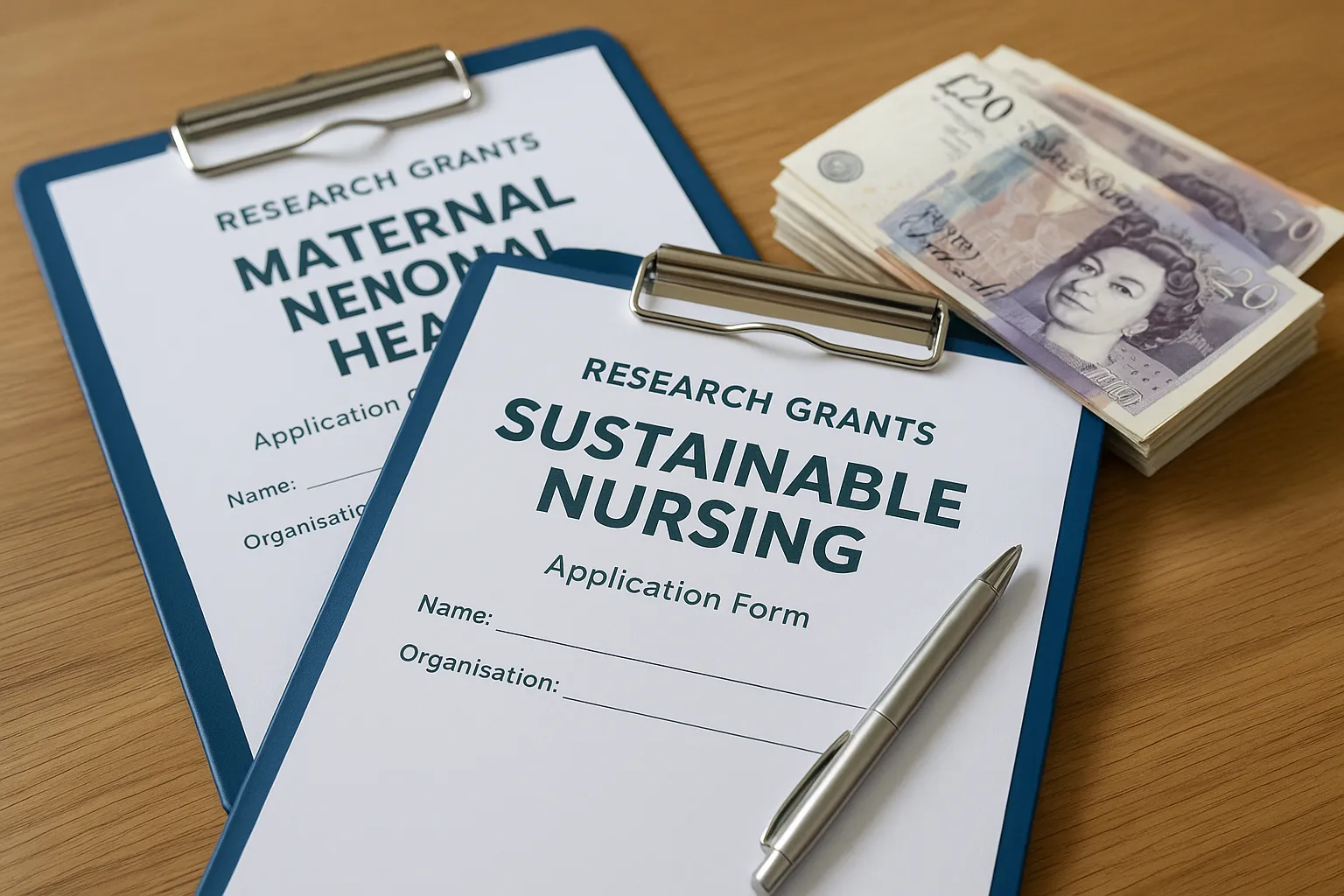
– RCN Foundation launches sustainable nursing and maternal health grants.
– First grant offers £60,000 for climate change research.
– Second grant funds £35,000 for maternity care studies.
– Focus on race inequalities in maternal and neonatal health.
– Grants support nurse-led initiatives to improve healthcare.
Full Story
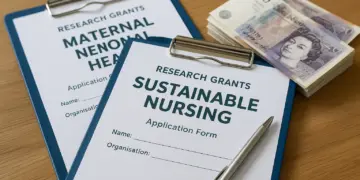
The RCN Foundation has initiated two significant grant programmes that aim to advance sustainable nursing practices and address maternal and neonatal health issues in the UK. Announced this week, the foundation is the charitable wing of the Royal College of Nursing (RCN) and these initiatives are geared towards fostering innovative research in these vital areas.
The first of these grants focuses on sustainable nursing and is developed in collaboration with the General Nursing Council (GNC) for England and Wales Trust. Available funding for early post-doctoral nurse researchers can reach up to £60,000. This grant will facilitate a nationwide nurse-led research initiative that aims to investigate how nursing practices can adapt to the changing landscape of healthcare provision in response to climate change. Additionally, it will assess nurses’ existing knowledge and perceptions regarding climate change and its effects on health care.
The second grant programme prioritises maternal and neonatal health and is part of the RCN Foundation’s ongoing initiative called “Listen, Understand, Act: addressing race inequalities across maternal and neonatal health and wellbeing.” This programme seeks to enhance the existing body of evidence aimed at tackling racial disparities that persist in maternal and neonatal care within the UK. An allocation of up to £35,000 is available for organisations interested in conducting midwifery-led research that examines the barriers encountered by Black and Asian women during their maternity experiences.
This grant announcement follows the directive from the Nursing and Midwifery Council (NMC), which recently recognised racism as a critical issue affecting maternity safety after an independent review of maternity care in England. The findings of this investigation underscored the urgent need for action to address these discrepancies in care.
Deepa Korea, the director of the RCN Foundation, commented on the foundation’s role in addressing pressing concerns in nursing and midwifery. She stated, “The RCN Foundation is well placed to respond to emerging nursing and midwifery issues, and these two new research grants are an example of this.” She expressed concern over the state of maternal health, particularly regarding the disproportionately adverse effects on women and infants from minority backgrounds, and voiced hope that the funding opportunities will contribute significantly to bridging these gaps in healthcare access and quality.
Korea further highlighted the necessity of integrating sustainability within the nursing sector. She pointed out the substantial carbon footprint associated with the NHS and emphasised that nurses are positioned uniquely to lead efforts in this area. “There is much work to be done, but we know that nurses are ideally placed to become leading experts in this area, and we hope that by partnering with other organisations we can help lead the change needed to address climate change,” she added.
Both grants are part of the foundation’s broader mission to improve healthcare practices and ensure equitable treatment for all individuals in the UK. The first grant application deadline is set for 4 September, while applications for the maternal and neonatal health grant must be submitted by 18 September.
As the healthcare sector grapples with the dual challenges of improving health outcomes amid climate concerns and addressing systemic inequalities, the RCN Foundation’s initiatives represent a proactive approach. By empowering nursing professionals with the resources they need to conduct meaningful research, the foundation seeks not only to identify barriers within the system but also to propose viable solutions to enhance care quality for vulnerable populations.
The urgent need for dialogue surrounding maternal health and sustainability is underscored by ongoing reports of disparities in care. As healthcare providers contend with rising temperatures and extreme weather—factors increasingly linked to climate change—the role of nursing in developing adaptive strategies is becoming ever more crucial. Nurses, known for their extensive patient interactions, can play an instrumental role in advocating for effective policy changes and sustainable practices.
Korea’s comments reflect a growing recognition within the nursing community of the need to respond decisively to climate change. As members of the healthcare profession, nurses are ideally positioned to lead initiatives that both mitigate their own sector’s environmental impact and promote public health strategies that are environmentally sustainable.
As health disparities persist, particularly among racial minorities, the launch of these focused grants is a pivotal step toward fostering programs that can ultimately reshape care delivery. The potential for midwifery-led studies to reveal critical insights into the experiences of Black and Asian women during maternity highlights the necessity for tailored research that acknowledges and addresses cultural and systemic barriers.
The RCN Foundation’s new grant programmes are now open for submissions, with an eye towards fostering a future where nursing not only champions excellent patient care but also leads the industry towards more sustainable and equitable practices. With the groundwork laid, the expectation is that significant advances in understanding and improving maternal and neonatal health, alongside sustainable nursing practices, will emerge from these initiatives.
Our Thoughts
The article does not present an incident or safety concern to analyze in terms of UK health and safety legislation. It focuses on the launch of research grants by the RCN Foundation aimed at sustainable nursing and addressing race inequalities in maternal and neonatal health. As such, there are no breaches of relevant regulations or safety lessons to extract. Hence, there are no recommendations on preventing similar incidents, as none are described in the article.