















Story Highlight
– Almost 2,000 prison cells empty due to fire risks.
– 1,800 cells awaiting automatic fire detection installation.
– Government aims to upgrade 10,000 cells by 2027.
– Legal director highlights decades of fire safety neglect.
– PM seeks options to keep PC Harper’s killers imprisoned.
Full Story
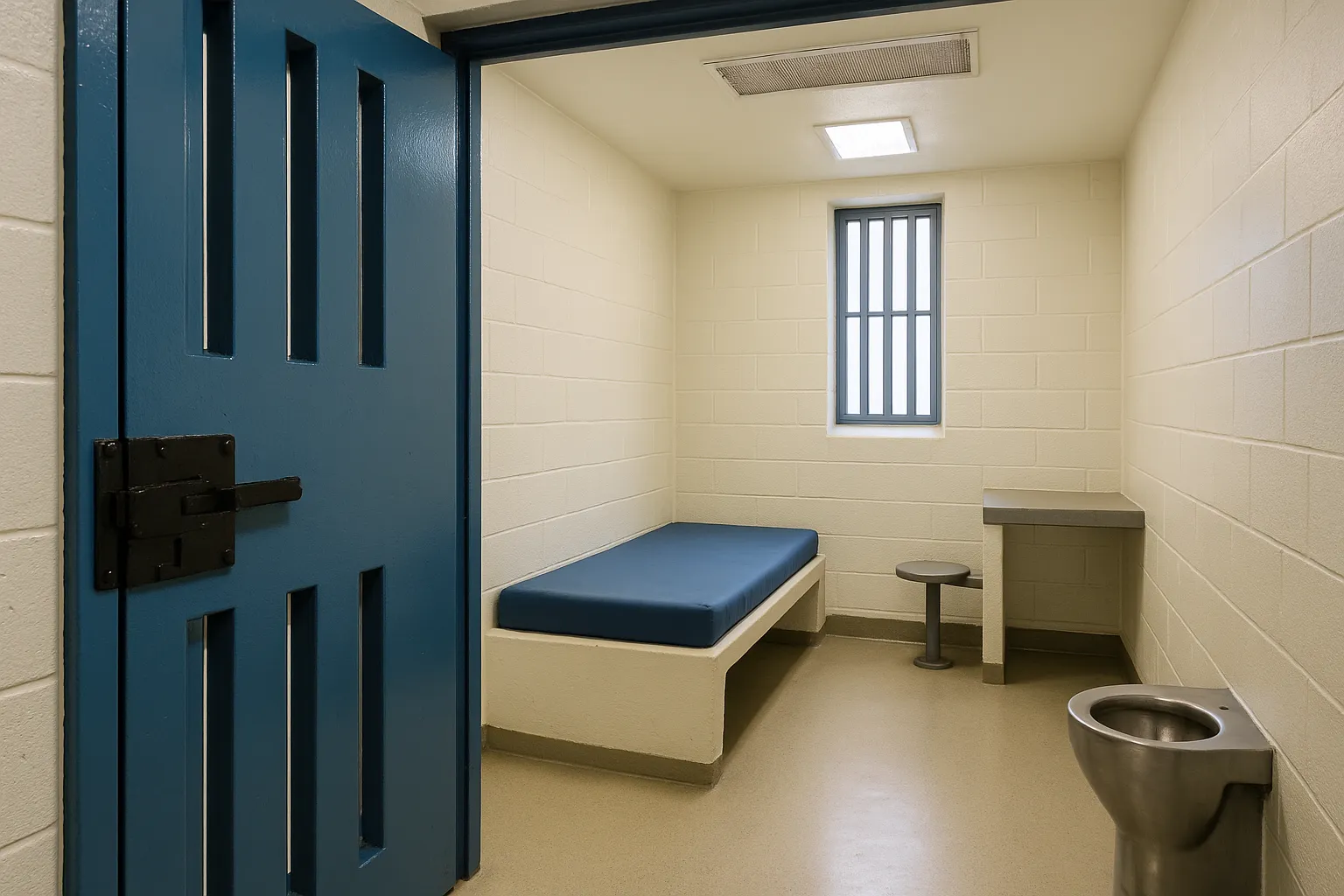
Nearly 2,000 prison cells across the UK remain unoccupied due to severe health and safety risks, with regulators warning of fire hazards. This situation persists despite a larger initiative to release thousands of inmates early as part of broader overcrowding measures.
The prison service is currently tackling this issue by relocating offenders to other facilities and removing identified cells from use. As of now, approximately 1,800 cells are inactive while the service works towards retrofitting automatic fire detection (AFD) systems throughout all facilities by a target deadline of 2027.
Reports indicate that around 19,000 cells still require these upgrades, creating a challenging environment as Prime Minister Andy Burnham seeks additional prison space in order to prevent the early release of those convicted, including individuals responsible for the death of police officer PC Andrew Harper.
Government proposals detail a commitment to equip at least 10,000 cells with necessary fire safety systems by 2027. However, timelines about the remaining installations remain unspecified. This delay has raised concerns among various stakeholders about the safety conditions in prisons.
Mark Fairhurst, chairman of the Prison Officers’ Association, raised the alarm about the potential postponement of safety works to allow for cell occupancy. “They have that option,” he noted, but stressed the critical nature of safety for prisoners allocated to these risk-identified cells.
Addressing the substantial lapse in addressing these safety measures, Gemma Abbott, the legal director of the Howard League for Penal Reform, pointed out that the government first acknowledged fire safety issues in prisons two decades ago. Since then, there have been nine fire-related fatalities in public prisons.
Abbott remarked, “Whilst the chaos of the implementation of the Sentencing Act has understandably drawn attention and ire from across the board, we cannot forget that many of those who remain locked up in prison – and the staff who work there – are being exposed to intolerable fire safety risks.”
The Ministry of Justice has asserted its commitment to prison safety. A spokesperson emphasised, “We take the safety of our prisons extremely seriously and are carrying out these essential fire safety works as quickly as possible. This is part of our plan to ensure that we can put more dangerous criminals behind bars and the country never runs out of prison space again.”
The recently instituted Sentencing Act aims to ease prison overcrowding by allowing the early release of various incarcerated individuals, commencing in September. However, this initiative faced backlash, leading the new Prime Minister to momentarily suspend the programme last month, pending a comprehensive review by the Ministry of Justice. This review aims to identify any grooming gang members eligible for early release.
Despite the temporary halt, the early release process is set to resume on October 1, affecting numerous inmates, including sex offenders, domestic abusers, and murderers, many of whom face sentence reductions by two-thirds.
In a collective expression of concern, all police chiefs across the UK signed an open letter urging PM Burnham to exhaust “every lawful option” to ensure that the killers of PC Andrew Harper remain incarcerated. They emphasised that changes to release policies could undermine public trust in the justice system, as well as overall community safety.
The case of Albert Bowers and Jessie Cole, who were sentenced to 13 years in prison in 2020 for the manslaughter of PC Harper, has particularly highlighted the stakes involved. The duo, then aged 17, were passengers in a vehicle that fatally injured the officer, who was caught in a towrope and dragged for over a mile along a road in Berkshire.
With pressure mounting and confusion surrounding government policy, PM Burnham publicly acknowledged the need for further actions to safeguard public safety and outlined his commitment to exploring additional measures to extend the incarceration of serious offenders.
The government had previously warned of potential legal obstacles if it attempted to impede the halfway release of these criminals, claiming it could face significant challenges in court. Following a recent intervention that halted the release of over a thousand rapists and child sex offenders, Burnham stated he had reached the limits of his current powers.
On the evening of the latest developments, a government spokesperson indicated that the Prime Minister had directed the Justice Secretary to seek out “further options” aimed at ensuring that particularly dangerous offenders, including PC Harper’s killers, remain behind bars.
In a recent interaction with PC Harper’s sister, the Prime Minister conveyed his personal commitment to the case, stating he could not “forgive himself” if he did not make every effort to prevent the early release of those responsible for her brother’s tragic death.
Our Thoughts
To prevent the current situation of nearly 2,000 empty prison cells due to fire safety risks, several proactive measures should have been implemented. Firstly, regular fire safety audits in accordance with the Regulatory Reform (Fire Safety) Order 2005 could have identified deficiencies earlier, allowing timely upgrades to fire detection systems. Additionally, prioritizing the installation of automatic fire detection systems in high-risk areas could have circumvented operational disruptions.
The repeated acknowledgment of fire safety shortcomings highlights a failure to meet the Health and Safety at Work Act 1974 obligations. The government should have established clearer timelines and resources for implementing safety upgrades, ensuring that all facilities were compliant well before they became a national concern.
To mitigate similar incidents, comprehensive risk assessments should be mandatory in all prison facilities, alongside the rigorous training of staff on emergency response procedures. Consistent monitoring and reporting mechanisms could enhance accountability and ensure that such critical safety issues are addressed proactively, safeguarding both inmates and staff.