





Story Highlight
– Years dog food recalled due to pet eye problems.
– Rectal catheters for babies deemed unsafe, warns MHRA.
– Multiple food recalls issued at UK supermarkets.
– E. coli contamination prompts seed product recall.
– Allergens found in crisps and chocolate products recalled.
Full Story
This week has seen important product recalls and safety warnings that consumers should be aware of, particularly concerning pet food and a medical device intended for babies. The details of these recalls reflect underlying concerns regarding safety and potential health risks.
**Years Dog Food Faces Recall Over Eye Health Concerns**
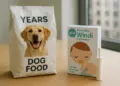
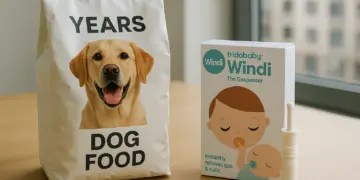
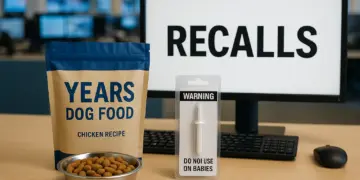
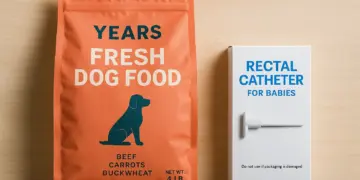
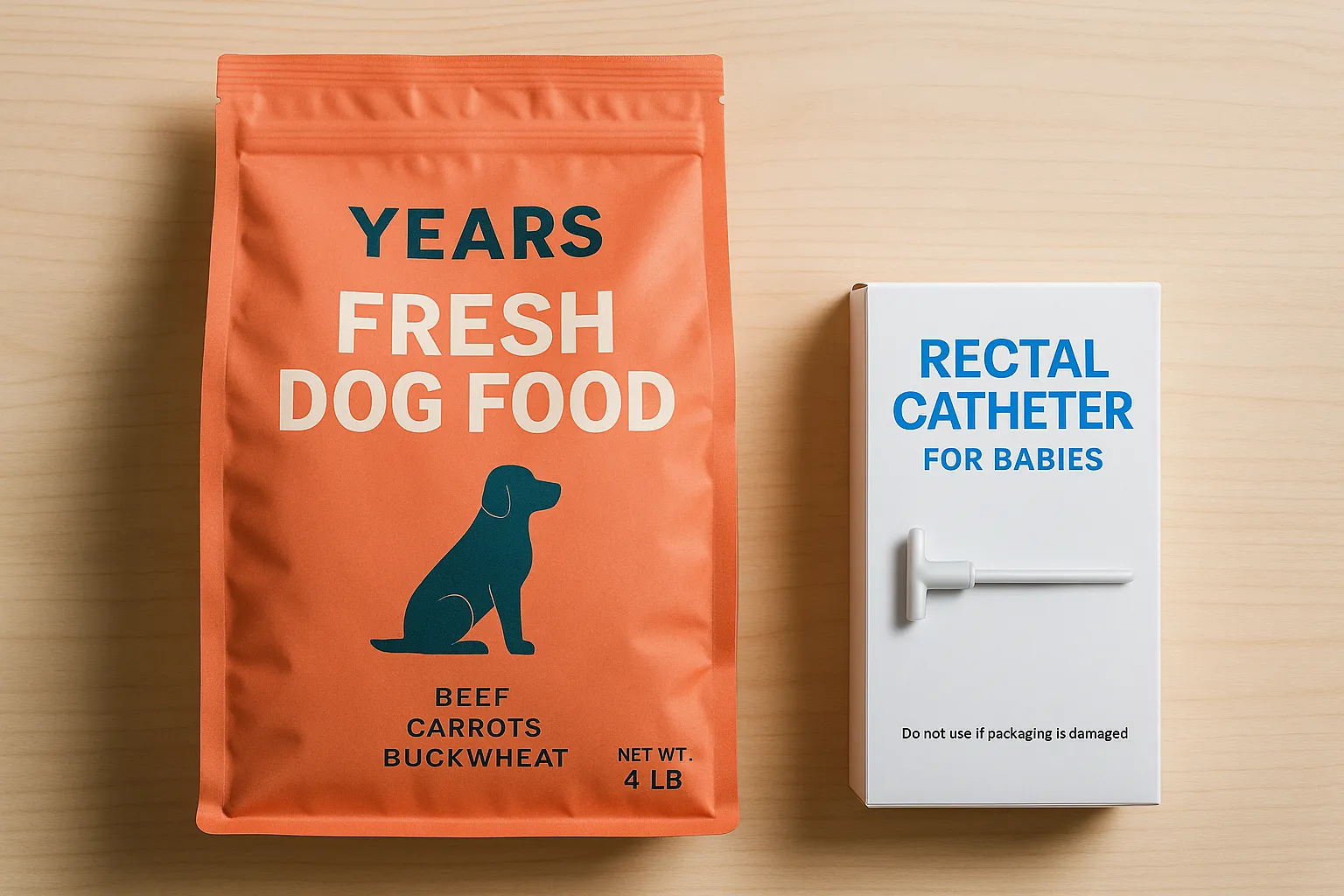
The pet food brand Years has made the decision to recall all its dog food products urgently. This follows disturbing reports that indicate a significant number of dogs have experienced severe eye issues after consuming the brand’s food. Specifically, over 50 cases of keratoconjunctivitis sicca, often referred to as dry eye, were documented. This condition has led to some affected pets suffering considerable impairment in their vision.
The company, which operates on a subscription model for delivering fresh meals to pet owners, is taking this matter seriously and has suspended all subscriptions. The decision to include buckwheat in its recipes earlier this year has come under scrutiny, as many instances of the reported health issues emerged after mid-August.
In response to these alarming reports, Years has initiated a comprehensive investigation. The company is working closely with pet owners, veterinary specialists, and independent experts to ascertain the root cause of the problem and ensure the safety of its products in the future.
**Warning Issued on Medical Device for Infants**
In a separate concern, the Medicines and Healthcare products Regulatory Agency (MHRA) issued a cautionary statement regarding the use of rectal catheters intended for infants. These devices, which can be obtained without a prescription from online retailers and physical shops, are marketed as solutions for easing colic and trapped wind in babies. However, an official warning was released on August 18, stating that parents should refrain from using these products.
Dr Alison Cave, the chief safety officer at the MHRA, emphasised the importance of safety and efficacy in medical devices aimed at children. She noted, “We understand that digestive discomfort and colic can be distressing for babies and their families. We’re advising against the use of rectal catheters in babies because there is not enough clinical evidence to support their safety and effectiveness.” As an alternative, the MHRA urges parents to consult healthcare professionals and adhere to NHS guidance if they have concerns regarding their child’s health.
**Product Recalls Across UK Supermarkets**
Recent weeks have seen a wave of recalls across various supermarkets in the UK, affecting a range of food products. Shoppers are strongly advised to inspect their cupboards and refrigerators for potentially dangerous items. The Food Standards Agency (FSA) continues to raise alerts over several recalls initiated by major retailers, including Tesco and Waitrose.
**Seeds Recall Due to E. Coli Contamination**
A.Vogel Ltd has announced a recall of its Rapunzel bioSnacky Das Original Red Clover Seeds for Sprouts and Seedlings. This action has been prompted by the discovery of Shiga toxin-producing E. coli present in the seeds, which poses a serious health risk. Symptoms of infection can be severe, including intense abdominal pain and diarrhoea, and in extreme cases, it can lead to haemolytic uremic syndrome (HUS), a condition that could result in kidney failure.
The potentially contaminated seeds come in 30g packets, marked with a batch code of 11293, and have a best before date indicating they are safe until December 2028.
**Home Bargains Crisps Recalled Over Allergens**
Consumers purchasing crisps at Home Bargains should be aware that a variety of Lays Sour Cream & Dill Crisps have been recalled due to a labelling mistake that resulted in undisclosed allergens. ASR Solutions Ltd’s recall procedure has been activated in response to the mislabelling, which failed to indicate the presence of milk and wheat (gluten) in the product. This oversight is particularly concerning for individuals with allergies or intolerances to these ingredients, as the crisps could pose a substantial health risk.
These affected crisps are sold in 125g packs, with best before dates extending up to and including October 31.
**Chocolate Product Recall Due to Unlisted Ingredients**
In a related issue, Bon Bons Wholesale Ltd has taken steps to remove various chocolate products from retail shelves after health concerns were raised. The items involved may contain undeclared milk and soya, which are not identified on the packaging. The FSA has also advised consumers not to consume these chocolates.
Among the affected products are several varieties, including:
– Medium Coloured Ladybird, with best before dates of March 1, 2027, and January 16, 2028
– Small Red Ladybird, with best before dates of January 21 and January 25, 2027
– Large Red Heart, featuring multiple best before dates in late 2027
– Mini Butterflies with various dates in 2027
– Sports Car, with a best before date of August 15, 2027
**Gü Dessert Recall Triggers Health Alert**
Furthermore, a dessert from Gü has also been recalled from supermarkets including Tesco and Waitrose due to potential health risks for those allergic to nuts or soya. The Gü Double Sea Salted Caramel Frozen Dessert has raised concerns due to undeclared ingredients, and shoppers are advised to avoid consuming the product. The affected lot number is 126135, and the best before date is listed as June 30, 2027.
Consumers who have purchased products subject to these recalls should return them to the point of sale for a full refund, and those concerned about their health should seek medical advice if necessary. It’s essential for customers to remain vigilant regarding product recalls to ensure both personal and family safety.
Our Thoughts
The recalls in the article highlight several breaches of UK health and safety regulations, specifically those concerning food safety and consumer protection. To prevent such incidents, companies should implement stringent quality control measures to monitor ingredient safety, as demonstrated by the case of Years dog food, which introduced an ingredient linked to eye problems in pets. Compliance with the Food Safety Act 1990 and the General Food Law Regulation (EC) No. 178/2002 is essential, ensuring all food products are safe and properly labelled.
For the medical products recalled, the Medicines and Healthcare products Regulatory Agency (MHRA) guidelines should mandate that products concerning infant health undergo rigorous clinical evaluations before market release. Parents should also be encouraged to seek professional advice, supporting better adherence to patient safety legislation.
Key safety lessons include the importance of transparent labelling and consumer education regarding potential health risks. Companies must create a robust risk assessment strategy, conduct regular product testing, and engage in marketing practices that prioritize patient safety to mitigate similar future incidents.