














Story Highlight
– Skin cancer survivor advocates for sunscreen VAT removal.
– 164% increase in melanoma cases since early 1990s.
– Sunscreen VAT makes sun protection less affordable for many.
– NHS spends over £2m daily on skin cancer treatment.
– Cross-party support for campaign to address public health crisis.
Full Story
A skin cancer survivor from London is passionately advocating for changes in government policy aimed at reducing skin cancer rates, a movement that seeks to protect countless lives across the UK. Jessica Zbinden-Webster, who received her diagnosis at the age of 26, initially dismissed what she believed to be a harmless lesion, only to discover it was a malignant tumour. Following a series of complex medical procedures—including an awake surgery to remove the tumour that necessitated the excision of part of her lower eyelid, alongside four additional ocular surgeries—she now celebrates being cancer-free. However, her journey highlights a broader public health issue as many others in the UK face similar battles against skin cancer.
Skin cancer stands as the most prevalent form of cancer in the UK, with numbers steadily climbing in recent decades. According to data from Cancer Research UK, the incidence of melanoma skin cancer has surged by an alarming 164% since the early 1990s, underscoring the urgency of the situation. Ms Zbinden-Webster contends that a significant proportion of these cases, potentially as high as 90%, could be thwarted through the regular use of sunscreen.
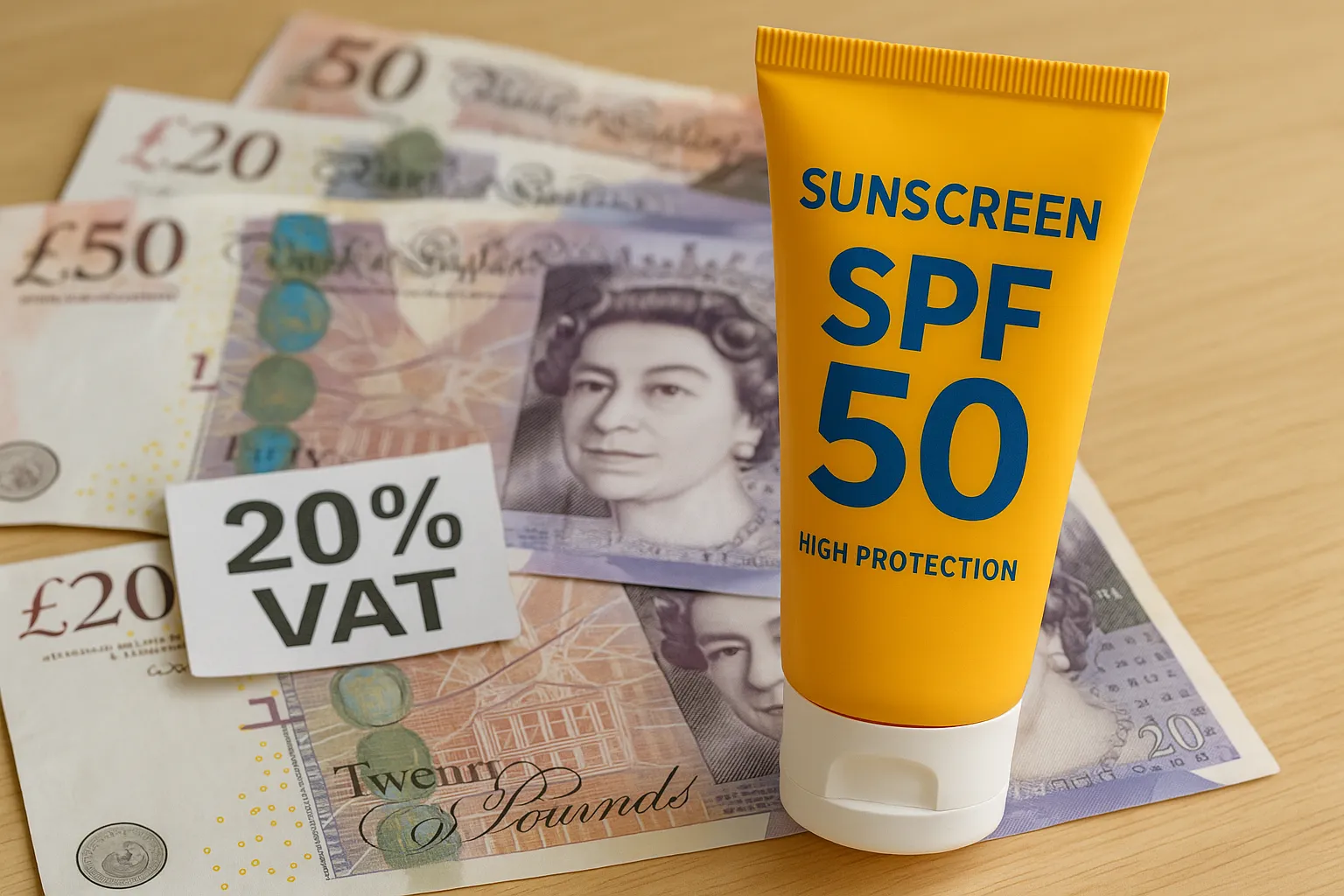
Despite this potential for prevention, she notes that a 20% Value Added Tax (VAT) is applied to sunscreen products—an additional cost that can raise the price of an average bottle by approximately £1.50. This tax not only makes sunscreen less financially accessible amidst a rising cost of living but also sends a detrimental message regarding the significance of sun safety to the general public.
In her effort to rectify this situation, Zbinden-Webster has tirelessly campaigned for the removal of the VAT on sunscreen for several years. Her petition, which has garnered support from close to 100,000 individuals, will be submitted to Downing Street on Monday. “This not only makes sunscreen less affordable in a cost-of-living crisis, but it sends a damaging message about the importance of sun safety to our public health,” she remarked, echoing the sentiments of many who believe that preventative measures should be prioritised.
The London native also pointed out the financial implications of the current tax system, arguing that it burdens citizens twice—first through the very tax levied on essential prevention products and subsequently through the taxes used to fund the NHS, which incurs substantial costs treating skin cancer cases that could potentially be avoided. “The NHS spends over £2 million a day on skin cancer treatment,” stated Ms Zbinden-Webster, suggesting that with a decrease in the incidence of skin cancer, these costs could be significantly lowered.
Furthermore, her campaign has gained momentum as several Members of Parliament (MPs) from various parties have expressed their support for her cause. A cross-party inquiry published in May also reinforced her message, stating that exposure to ultraviolet radiation is a preventable public health crisis. This political backing, along with public support, fuels Ms Zbinden-Webster’s hope that the current government will make the required changes. She articulated her hopes succinctly, stating, “My message to him and the Treasury would be that prevention is better than cure. Prevention is cheaper than cure, and prevention is kinder than cure.”
Looking ahead, she is optimistic that by submitting her petition just before the government’s autumn Budget announcement, Treasury officials will reconsider their stance on taxing preventative health measures. “Our skin cancer crisis is out of control, and this government must be the government to fix it,” she added, emphasising the critical nature of the issue at hand.
In response to these calls for action, a government spokesperson outlined their commitment to addressing cancer through various strategies. “As part of our 10-year plan to reform the health service, and through a national cancer plan, we will fight cancer on all fronts, from prevention to diagnosis, treatment, and research,” they stated. The spokesperson also noted that high-factor sunscreen is included in the NHS prescription list for certain medical conditions and that pharmacists provide these products VAT-free to eligible patients.
As Ms Zbinden-Webster prepares for this pivotal moment, her dedication serves as a reminder of the pervasive challenges surrounding skin cancer prevention. Her personal experience sheds light on the ongoing battle many face and highlights the pressing need for systemic change in how health and prevention policies are structured. Armed with public support and a growing political coalition, she remains determined to make a lasting impact in the fight against skin cancer. The outcome of her advocacy efforts in the coming weeks could play a crucial role in shaping the future approach to public health and prevention in the UK.
Our Thoughts
The article highlights the preventable nature of many skin cancer cases and the financial barriers to accessing protection through sunscreen. A key lesson is the importance of making sun safety products more accessible, particularly through the removal of the 20% VAT on sunscreen, which could significantly improve usage rates among the public. This change would align with regulatory commitments under the Health and Safety at Work Act 1974, emphasizing the obligation to ensure the health and safety of individuals.
The increase in melanoma cases indicates a failure to adequately promote sun safety awareness and prevention strategies, which could be a breach of the Management of Health and Safety at Work Regulations 1999, mandating risk assessments to identify and mitigate health risks.
To prevent similar incidents, a comprehensive public health campaign focusing on the importance of sunscreen and sun protection strategies could be implemented, along with advocacy for legislative changes to reduce or remove taxes on preventative health products. Enhanced education about skin cancer risks and prevention would also be crucial in mitigating incidence rates and the associated healthcare costs on the NHS.