















Story Highlight
– UK salmonella outbreak linked to contaminated imported eggs.
– Over 200 infections reported; one person has died.
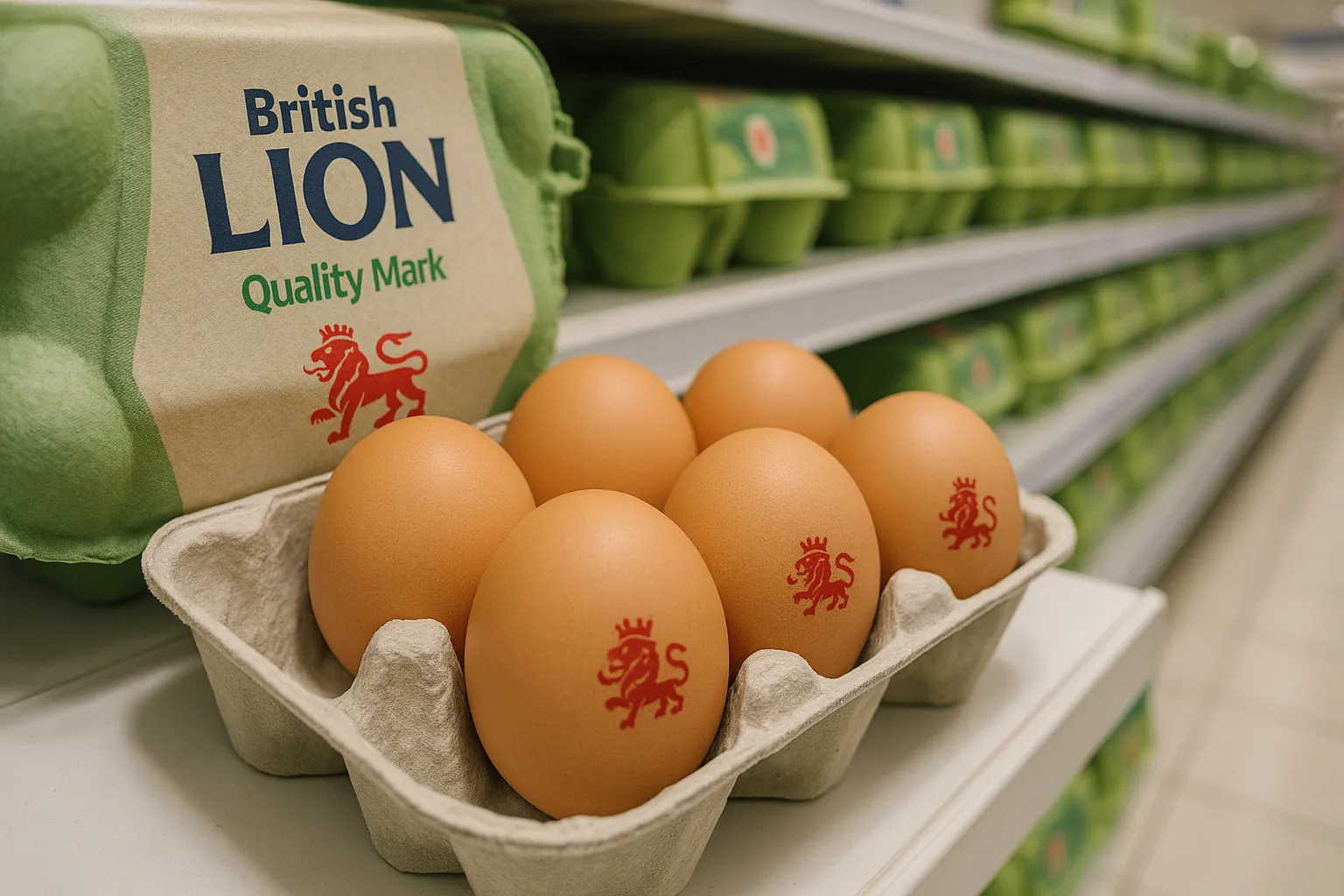
– Check for red British Lion mark for safety assurance.
– Scheme reduces salmonella risk; requires hen vaccination.
– Cook eggs thoroughly to ensure consumer safety.
Full Story
Concerns regarding the safety of eggs in the UK have emerged following a notable outbreak of salmonella, which has affected over 200 individuals nationwide, resulting in 34 hospitalisations and one fatality. The UK Health Security Agency has traced the source of this outbreak to contaminated imported eggs that were consumed in various cafes and restaurants. This situation has led many consumers to question the safety of purchasing eggs for home use.
Despite these concerns, experts are reassuring the public that eggs available in UK supermarkets remain safe to eat, provided certain precautions are taken. Key guidance includes looking for the red British Lion mark, a symbol indicating compliance with a stringent food safety protocol aimed at reducing the risk of salmonella infection. This mark signifies that the eggs have been produced under a quality assurance scheme, which has been instrumental in minimising the presence of salmonella bacteria in British eggs.
The British Lion scheme, established in 1998, ensures that more than 90% of eggs produced in the UK are sourced from hens vaccinated against salmonella. In addition to vaccination, the scheme enforces comprehensive controls throughout the production chain, including strict traceability requirements for hens, eggs, and feed. According to the British Egg Industry Council, this initiative has significantly enhanced food safety standards, leading to a marked decrease in salmonella incidences linked to eggs.
Salmonella represents a broad group of bacteria, with some strains capable of causing serious illness in humans. Infection can occur through the consumption of contaminated foods, which includes not only eggs but also meat, dairy products, and occasionally other food items. The symptoms of salmonella infection typically manifest as gastroenteritis, which can include diarrhoea, abdominal pain, vomiting, fever, fatigue, and muscle aches. While most healthy individuals recover without needing medical intervention, certain demographics, such as young children, the elderly, and those with compromised immune systems or underlying health issues, may experience more severe manifestations of the disease.
In light of the outbreak, food safety experts recommend several precautions when preparing eggs at home. Kimberly Coffin, who serves as the technical director for supply chain assurance at the global risk management firm LRQA, emphasises the importance of ensuring eggs and egg dishes are thoroughly cooked. “Cooking eggs and egg-containing dishes until both yolk and white are firm, or to a temperature of 71C, is the best way to provide consumer safety from salmonella,” Coffin advises.
Additionally, Coffin cautions against using eggs that are cracked or broken, or those displaying signs of wet or dry residues on their shells, which could indicate contamination. Washing dirty eggs prior to use is not recommended, as this practice may inadvertently increase the risk of salmonella contamination by pushing bacteria from the shell into the egg itself.
The red British Lion mark, which can be easily identified on both egg cartons and individual eggs, is widely available from numerous supermarket chains across the UK, including major retailers such as Aldi, Asda, Co-op, Iceland, Lidl, Marks & Spencer, Morrisons, Ocado, Sainsbury’s, Tesco, and Waitrose. This availability underscores the commitment of the British egg industry to maintaining high safety standards for consumers.
As the public becomes more vigilant regarding food safety in light of the recent outbreak, the role of effective communication from health authorities and food safety experts is essential in reassuring consumers. Initiatives to enhance understanding about safe egg consumption practices can empower individuals to make informed choices while still enjoying eggs as a nutritious food source.
In summary, while the recent salmonella outbreak has understandably raised concerns about egg safety, consumers are advised to focus on purchasing British Lion eggs, which adhere to robust safety protocols. By following proper preparation guidelines and being aware of the quality marks on egg products, the public can continue to safely incorporate eggs into their diets while supporting local production practices designed to ensure food safety. The collective efforts of the UK egg industry and health authorities aim to restore consumer confidence and mitigate the risks associated with egg consumption.
As consumers navigate the implications of this salmonella outbreak, it remains crucial for them to stay informed and proactive about food safety practices, thereby maintaining both personal health and broader public health standards.
Our Thoughts
To prevent the recent salmonella outbreak linked to contaminated imported eggs, a stronger emphasis on food safety compliance and regulations is essential. The Food Safety Act 1990 and the General Food Law Regulation (EC) No 178/2002 require businesses to ensure that food is safe and meets health regulations before reaching consumers.
Key lessons include the importance of traceability and adherence to safety standards, such as the British Lion scheme, which mandates vaccination of hens against salmonella and strict monitoring of the production chain. Enhanced inspections and monitoring of imported goods could have identified contamination before distribution.
Furthermore, consumer education regarding safe egg handling at home is crucial. Advising consumers to inspect for certifications like the British Lion mark can prevent the use of unsafe products. Implementing stricter import regulations and regular audits of suppliers could mitigate the risk of future outbreaks.
In summary, reinforcing food safety regulations, ensuring traceability, and enhancing consumer education are vital steps that could help avert similar incidents in the future.