














Choose an AI chat
Expectant mothers face difficult journey to hospitals after maternity ward closure
UK Health and Safety Latest

Expectant mothers face difficult journey to hospitals after maternity ward closure

by Ellie Cartwright
August 26, 2026
0

Expectant mothers in South-West England face heightened anxiety following the closure of the North Devon District Hospital's maternity unit due...

Read moreDetails
Higher-welfare chicken farming could curb food poisoning risk, says RSPCA

Higher-welfare chicken farming could curb food poisoning risk, says RSPCA

August 25, 2026
Mother's struggle to save family from Gaza war highlights dire choices

Mother’s struggle to save family from Gaza war highlights dire choices

August 25, 2026
NHS issues urgent egg safety advice amid Salmonella outbreak

NHS issues urgent egg safety advice amid Salmonella outbreak

August 25, 2026
NHS GP warns of Salmonella outbreak linked to imported eggs

NHS GP warns of Salmonella outbreak linked to imported eggs

August 25, 2026

Archives

  • August 2026
  • July 2026
  • June 2026
  • May 2026
  • April 2026
  • March 2026
  • February 2026
  • January 2026
  • December 2025
  • November 2025
  • October 2025
  • September 2025
  • July 2025
  • August 2009

Categories

  • Health and Safety Help
  • News
  • Policies
  • UK Health and Safety Latest
  • About
  • Advertise
  • Policies
    • Privacy Policy
    • Editorial Policy
    • Corrections & Complaints policy
  • Useful Documents
    • Understanding RIDDOR
    • 10 Workplace Safety Failures
    • A Complete Guide to Reporting Safety Incidents in the UK
    • Fire Risk Assessment: Meeting the Regulatory Reform (Fire Safety) Order
    • COSHH Basics: A Practical Guide to Control of Substances Hazardous to Health
    • Working at Height in the UK: The Essentials (WAH Regulations 2005)
    • Asbestos in the Workplace: Control of Asbestos Regulations 2012 (CAR) Essentials
    • Managing Contractors Under CDM 2015: Roles, Duties & Controls
    • DSE & Ergonomics: Healthy Workstations for Office & Hybrid Teams
    • Lock out Tag out LOTO
    • Workplace Transport Safety: Forklifts, Pedestrians & Traffic Management
    • Noise & Vibration at Work: Practical Controls (2005 Regulations)
    • Confined Spaces in the UK: Safe Entry under the Confined Spaces Regulations 1997
  • Contact
  • Agent
Wednesday, August 26, 2026
25 °c
London
25 ° Wed
22 ° Thu
21 ° Fri
  • Login
UK Safety News
  • Home
  • News
    • All
    • UK Health and Safety Latest
    Expectant mothers face difficult journey to hospitals after maternity ward closure

    Expectant mothers face difficult journey to hospitals after maternity ward closure

    Higher-welfare chicken farming could curb food poisoning risk, says RSPCA

    Higher-welfare chicken farming could curb food poisoning risk, says RSPCA

    Mother's struggle to save family from Gaza war highlights dire choices

    Mother’s struggle to save family from Gaza war highlights dire choices

    NHS issues urgent egg safety advice amid Salmonella outbreak

    NHS issues urgent egg safety advice amid Salmonella outbreak

    NHS GP warns of Salmonella outbreak linked to imported eggs

    NHS GP warns of Salmonella outbreak linked to imported eggs

    Retailers push for clearer health claims on fibre to boost public understanding

    Retailers push for clearer health claims on fibre to boost public understanding

    Call for clearer food labels as M&S tackles fibre claims confusion

    Call for clearer food labels as M&S tackles fibre claims confusion

    Households urged to check eggs amid salmonella outbreak

    Households urged to check eggs amid salmonella outbreak

    Company charged with corporate manslaughter following worker's death

    Company charged with corporate manslaughter following worker’s death

    Rubbish overflow in Girlington raises public health concerns

    Rubbish overflow in Girlington raises public health concerns

    Trending Tags

No Result
View All Result
UK Safety News
No Result
View All Result
Home News UK Health and Safety Latest

Higher-welfare chicken farming could curb food poisoning risk, says RSPCA

Michael Harland by Michael Harland
August 25, 2026
in UK Health and Safety Latest
Reading Time: 4 mins read
0
Higher-welfare chicken farming could curb food poisoning risk, says RSPCA

Story Highlight

– Higher-welfare chickens may reduce food poisoning rates.
– Factory farming linked to 100-fold increase in infections.
– Campylobacter causes multiple gastroenteritis cases annually in UK.
– Slower-growing breeds improve animal welfare and public health.
– Antimicrobial resistance complicates treatment of campylobacter infections.

Full Story

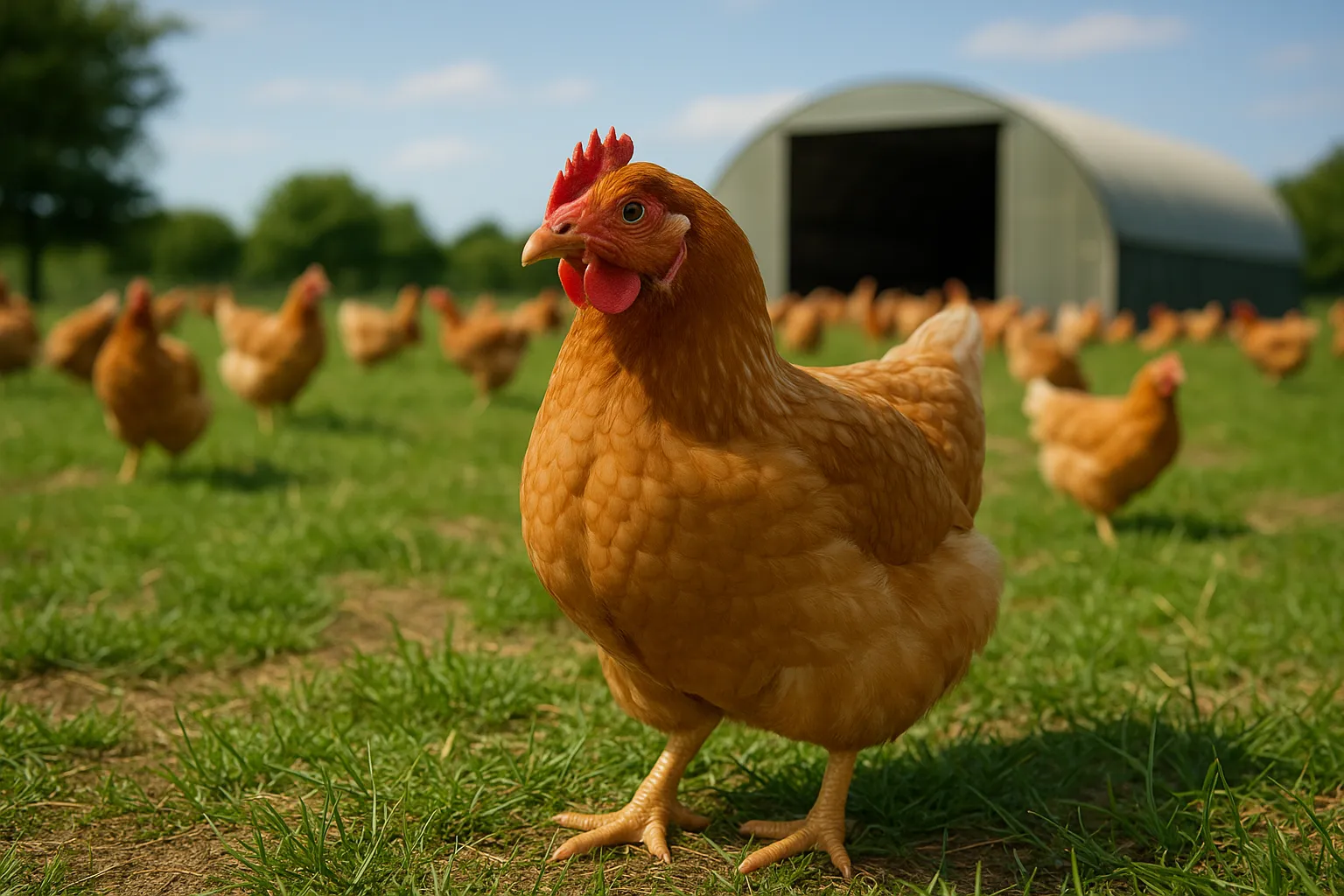
Concerns are mounting over the prevalence of foodborne illness in the UK, primarily linked to conventional methods of poultry farming. Recent research conducted by scientists at the University of Oxford has drawn attention to the connection between factory-farmed chickens and escalating rates of campylobacter infections, a leading cause of food poisoning in the country. The Royal Society for the Prevention of Cruelty to Animals (RSPCA) has identified higher-welfare chicken farming as a potentially effective strategy for mitigating this public health threat.

The Oxford study highlights that the intensive farming practices used to rear the majority of chickens in the UK have exacerbated the spread of campylobacter by over 100 times. This bacterium, notorious for causing diarrhoeal diseases, is behind an estimated 3.5 times more gastroenteritis cases than all other monitored foodborne pathogens combined. The RSPCA is urging that immediate changes be made in the poultry industry by prioritising the breeding of slower-growing chicken varieties.

According to the charity, adopting breeds that take longer to reach slaughter weight would significantly enhance animal welfare while simultaneously acting as a critical measure against public health risks. In doing so, the burden on healthcare services from food poisoning-related cases could see a decline. Campylobacter, while generally harmless to healthy chickens, poses a severe risk to humans, leading to symptoms such as acute stomach cramps, fever, and gastrointestinal distress.

The mode of transmission for campylobacter includes contaminated raw meat and unpasteurised milk, yet thorough cooking can eliminate the threat of infection. Alarmingly, a significant portion of the over one billion chickens raised annually for meat in the UK are now referred to as “frankenchickens.” These birds have been genetically engineered to grow at excessively fast rates, which can lead to serious health issues, including broken limbs, chronic pain, and even cardiac failure.

To illustrate the troubling growth dynamics, experts note that if human infants developed at a similar rate to these chickens, they would weigh approximately 635 kilograms by the age of two months. Research indicates that chickens that grow more slowly tend to have stronger immune systems, thus presenting a lesser risk for developing infections from pathogens such as campylobacter. The recent surge in chicken farming on a global scale has created an environment conducive to the wide dissemination of this bacterium.

In addition to the findings from the Oxford research team, the European Food Safety Authority has noted a correlation between the practice of “thinning” — which involves the early slaughtering of certain chickens — and elevated campylobacter levels. This process can disturb the health and well-being of the remaining birds, further exacerbating the issue.

Charlotte Arthur, an expert in poultry welfare with the RSPCA, explained that there is a growing body of evidence suggesting that more humane poultry farming practices could play a significant role in combating the spread of dangerous bacteria. “Slower-growing chickens not only enjoy a longer lifespan and encounter fewer welfare complications, but they may also be less susceptible to certain biological processes that enable campylobacter to thrive,” Arthur noted.

The RSPCA points out that chickens carrying its Assured certification require at least eight additional days to reach the intended slaughter weight compared to those typically found in supermarkets. Arthur emphasized that these chickens do not merely enjoy improved living conditions; they might also have better resilience against infections like campylobacter. “This is why integrating slower-growing breeds into discussions surrounding risk reduction is vital,” she stated. “Such approaches can foster resilience without resorting to the use of more antibiotics, ensuring better health outcomes for the public and easing the load on healthcare systems, including medical practices and the NHS.”

The issue of antimicrobial resistance, whereby bacteria evolve to withstand treatments aimed at eradicating them, increases the challenge in managing campylobacter infections. This resistance is a growing global concern, compounding the difficulties faced by healthcare providers.

The poultry sector is undergoing tremendous transformation, with the worldwide chicken population having surged sevenfold since the 1960s, leading to approximately 31 billion birds today. As public awareness of these health issues rises, consumer demand for higher-welfare chicken options is likely to influence market practices.

In light of these developing circumstances, the RSPCA, along with independent experts, continues to advocate for immediate reforms in how chickens are raised and marketed. As discussions on food safety and animal welfare gain traction, the emphasis remains on finding sustainable and health-conscious solutions within the poultry industry.

The government and representatives from the British Retail Consortium have been approached for their responses to these significant findings, as stakeholders engage in dialogues aimed at improving public health and animal welfare across the nation.

Our Thoughts

The article highlights significant animal welfare concerns and the public health implications related to industrial chicken farming in the UK. Key safety lessons include the need for better animal welfare practices and the implementation of slower-growing chicken breeds to reduce the spread of campylobacter, a major cause of foodborne illness.

To prevent similar incidents, adherence to UK regulations, such as the Animal Welfare Act 2006, is crucial. This legislation emphasizes that animals must be bred and cared for in a way that promotes their health and wellbeing, directly linking animal welfare to public health safety. The study suggests that practices like “thinning,” which negatively impact remaining birds and increase the risk of infection, potentially breach regulations regarding animal treatment.

The RSPCA’s call for higher-welfare farming initiatives aligns with the Food Safety Act 1990, which mandates that food must be safe for consumption. Additionally, reducing antibiotic use aligns with UK Antimicrobial Resistance Strategy to combat rising resistance rates.

Overall, a change in farming practices towards higher-welfare standards and the promotion of slower-growing chickens could significantly mitigate the public health risks associated with campylobacter.


SummarizeShare34Share197SendSend
ADVERTISEMENT
Michael Harland

Michael Harland

Related Posts

Senator probes private equity's impact on childcare costs

Senator probes private equity’s impact on childcare costs

by Tara Rowden
March 24, 2026
0

A federal investigation has been launched into KinderCare and Learning Care Group, the largest child care providers in the US,...

Concerns rise over pilots' alcohol consumption and safety regulations

Concerns rise over pilots’ alcohol consumption and safety regulations

by Tara Rowden
January 8, 2026
0

Concerns have intensified over pilot alcohol consumption following multiple incidents of intoxication within major airlines, most notably Japan Airlines. Stricter...

Leave a Reply Cancel reply

Your email address will not be published. Required fields are marked *

I agree to the Terms & Conditions and Privacy Policy.

Useful Documents

  • Understanding RIDDOR
  • 10 Workplace Safety Failures
  • A Complete Guide to Reporting Safety Incidents in the UK
  • Understanding RIDDOR
  • Fire Risk Assessment: Meeting the Regulatory Reform (Fire Safety) Order
  • COSHH Basics: A Practical Guide to Control of Substances Hazardous to Health
  • Working at Height in the UK: The Essentials (WAH Regulations 2005)
  • Lock out Tag out LOTO

Recent Posts

  • Expectant mothers face difficult journey to hospitals after maternity ward closure
  • Higher-welfare chicken farming could curb food poisoning risk, says RSPCA
  • Mother’s struggle to save family from Gaza war highlights dire choices
  • NHS issues urgent egg safety advice amid Salmonella outbreak
  • NHS GP warns of Salmonella outbreak linked to imported eggs

Recent Comments

  1. Piper Douglas on Worker dies due to inadequate machinery safety measures
  2. Natalie Coleman on New housing laws aim to tackle damp and mould crisis in England
  3. Simon Barrett on Honeymoon ruined by illness as newlywed suffers severe infection in Cape Verde
  4. Nolan Barrett on Work-related ill health in Great Britain remains a concern after pandemic peak
  5. Dylan Reeves on Sickness rates among Scottish police officers soar to troubling levels
UK Safety News

Copyright © 2026
UK Safety News

Navigate Site

  • About
  • Advertise
  • Policies
  • Useful Documents
  • Contact
  • Agent

Follow Us

Welcome Back!

Login to your account below

Forgotten Password?

Retrieve your password

Please enter your username or email address to reset your password.

Log In
No Result
View All Result
  • Home
  • News

Copyright © 2026
UK Safety News

This website uses cookies. By continuing to use this website you are giving consent to cookies being used. Visit our Privacy and Cookie Policy.