













Story Highlight
– French Bee offers world’s narrowest economy seats at 42.4cm.
– Airline employs 10-abreast layout on Airbus A350-1000.
– Average British shoulder width surpasses seat width by 6cm.
– Competes directly with Air France’s more spacious seating.
– Long-haul flights typically expected to have larger seats.
Full Story
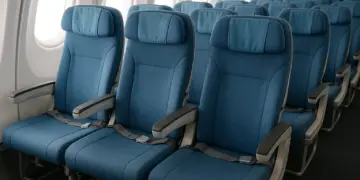
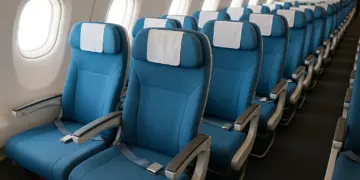
A recent evaluation of airline seating arrangements has revealed that French Bee, a budget long-haul carrier operating from Paris Orly Airport, has the narrowest economy seats in the world. The airline adopts a seating width of just 42.4 cm, which surpasses even the notoriously cramped accommodations offered by many low-cost carriers, such as Ryanair and easyJet.
This striking finding comes from an examination of publicly available aircraft specifications, which indicates that the average shoulder width of a British adult is 48.8 cm. Consequently, this discrepancy highlights that on average, passengers may be sitting in seats approximately six centimetres narrower than their own shoulder width, raising concerns over comfort during flights.
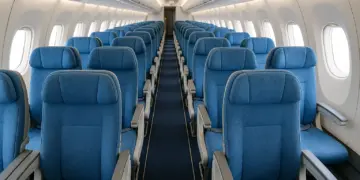
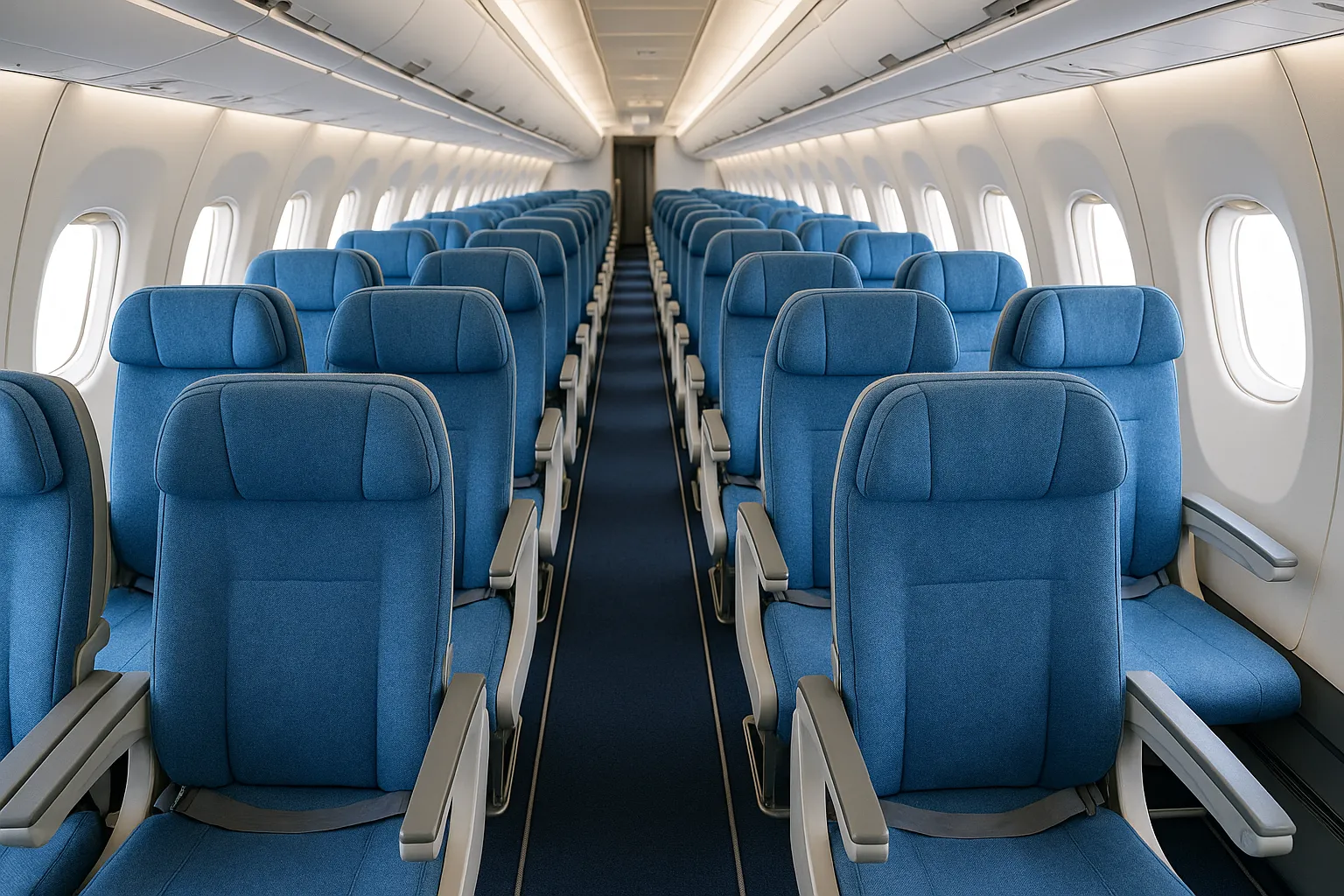
Unlike its competitors, which typically configure their Airbus A350 aircraft in a standard 9-abreast seating (3-3-3), French Bee has opted for a denser arrangement, accommodating 10 seats per row. This setup can either be arranged in a 2-4-2 or 3-4-3 layout in its A350-1000 variants. Such an arrangement allows the airline to increase its passenger capacity per flight, albeit at the expense of seat width.
The contrast with Air France, which operates the same model, is particularly noteworthy. While Air France maintains the industry-standard 9-abreast configuration, offering a seat width of 45.7 cm, French Bee’s choice of tighter seating arrangements effectively results in a more congested travel experience. This is especially surprising as French Bee primarily serves long-haul routes across the Atlantic, where passengers would generally anticipate a more spacious seating environment for comfort during extended journeys.
While the width of airline seats is a critical aspect of passenger comfort, other factors such as seat pitch—the distance between identical points on adjacent seats—cushion quality, and overall cabin design also contribute significantly to the overall travel experience.
In stark contrast to French Bee’s cramped offerings, airlines such as Japan Airlines (JAL) excel in providing generous seating dimensions. Operating its Boeing 787 fleet with an 8-abreast layout (2-4-2), JAL opts to sacrifice one seat per row, thereby providing passengers with wider seats ranging from 48 cm to 48.3 cm. This configuration aligns more comfortably with the average shoulder width of British adults, resulting in a more pleasant travel experience.
Airline seat sizes across the industry vary widely, with the following highlights reflecting the available options:
– **French Bee:** 42.4 cm width, seat pitch unspecified
– **Ryanair:** Approximately 43 cm width, 71–97 cm seat pitch, variable by aircraft
– **British Airways:** Approximately 43 cm width, between 74–79 cm seat pitch
– **Jetstar:** Approximately 45.5 cm width, 71 cm seat pitch
– **Vueling:** Approximately 44.5 cm width, 74 cm seat pitch
– **EasyJet:** Between 44.5–45.7 cm width, around 74 cm seat pitch
– **United Airlines:** 43–44.5 cm width, 76–81 cm seat pitch, depending on aircraft age
– **American Airlines/United Airlines:** Approximately 43 cm width, around 76 cm seat pitch
– **Delta Airlines:** 43.7–46 cm width, 79–84 cm seat pitch
In the context of long-haul travel, passengers often have heightened expectations for comfort compared to those on short-haul flights. The fierce competition among airlines has prompted many carriers to innovate their service offerings, balancing the trade-offs between maximising capacity and ensuring passenger comfort.
French Bee’s decision to implement a denser seating configuration raises important questions about how airlines prioritise commercial viability against the passenger experience. While cost-effectiveness remains a significant focus for budget airlines, the challenge lies in maintaining customer satisfaction amidst growing discomfort caused by overcrowded seating arrangements.
Experts suggest that as air travel continues to evolve, customer demands for comfort may influence future seating arrangements. It remains to be seen if airlines like French Bee will adjust their seating configurations as market expectations shift or if they will stick to their current model, driven by the ambition to maximise profits per flight.
As the industry moves forward, the importance of passenger comfort in long-haul travel cannot be overstated. Whether other airlines will take steps to adopt more comfortable seating or follow in French Bee’s footsteps for the sake of profit margins remains a pivotal question in the ongoing evolution of airline travel.
Our Thoughts
The article highlights safety and comfort concerns related to French Bee’s decision to implement the narrowest airline seats in the world. To avoid such issues, airlines should prioritize passenger welfare and adhere to health and safety regulations. According to the Health and Safety at Work Act 1974, employers are required to ensure the health, safety, and welfare of their employees and others affected by their activities.
Key safety lessons include the importance of considering passenger comfort, particularly for long-haul flights, as overcrowded seating can lead to discomfort and increased risk of injury during turbulence. The failure to meet an acceptable standard of passenger space may breach the Health and Safety Executive’s guidance on ergonomics and workplace safety, suggesting that consideration must be given to the physical dimensions of users.
To prevent similar incidents, airlines should conduct comprehensive risk assessments regarding cabin layout and ensure that any decisions made are aligned with safety best practices. Designing seating configurations that reflect the average dimensions of passengers can enhance safety and overall experience, thereby complying with HSE guidance on risk management and ergonomics.