












Story Highlight
– French Bee offers world’s narrowest economy seats at 42.4cm.
– Average UK adult shoulder width exceeds seat width by 6cm.
– Airline maximizes capacity with 10-abreast seating layout.
– French Bee is a long-haul budget airline outlier.
– Comfort also depends on seat pitch and cushioning quality.
Full Story
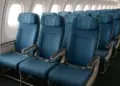
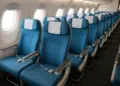
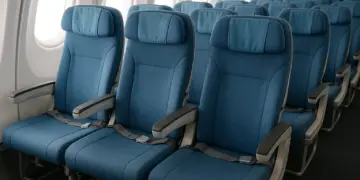
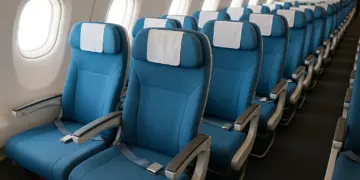
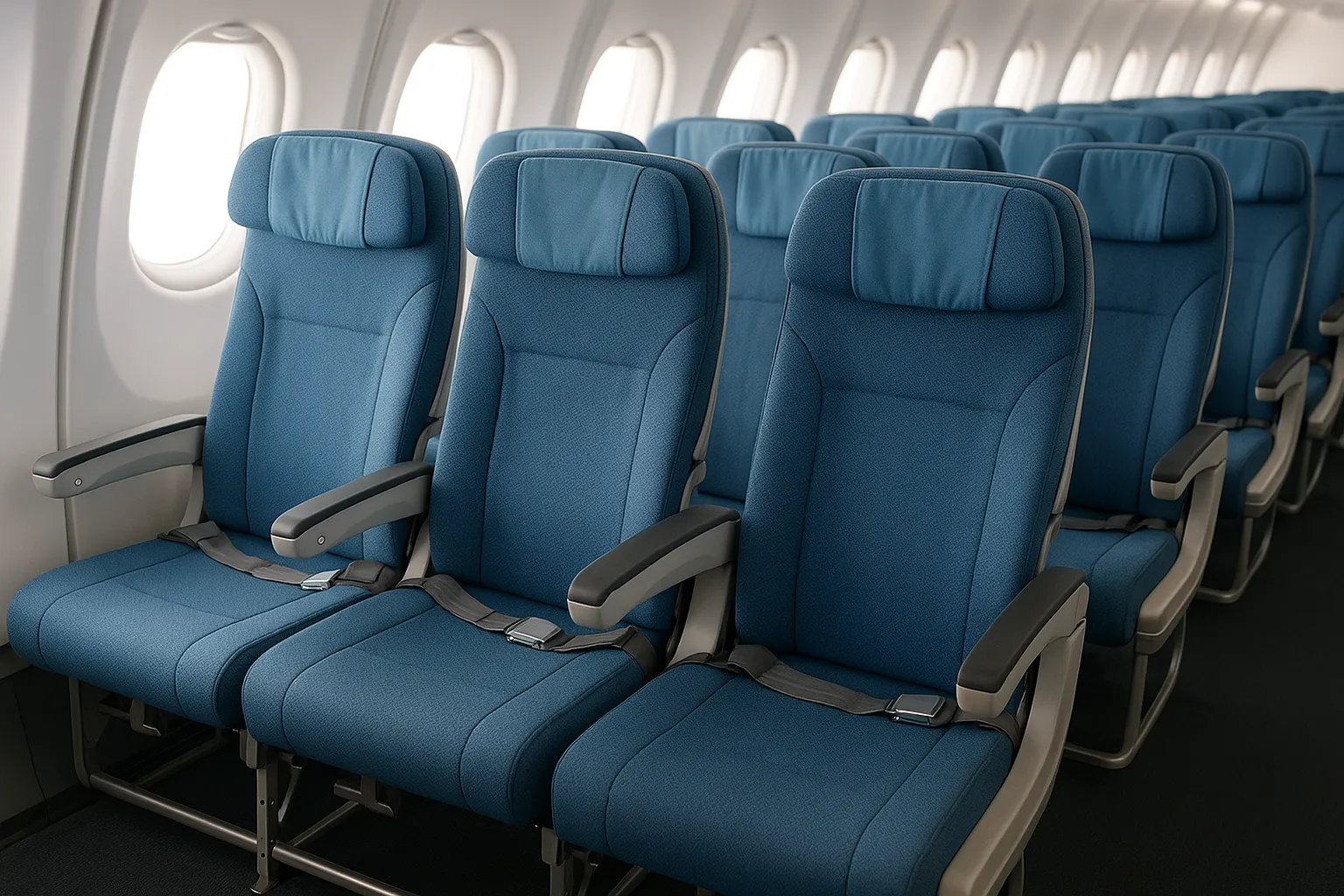
In a competitive landscape of budget airlines, one carrier has taken the concept of economy seating to new extremes, introducing an ultra-narrow seat width that is raising eyebrows among travellers. French Bee, a low-cost airline operating long-haul routes from Paris Orly Airport, offers economy class seats measuring just 42.4 cm wide. This measurement starkly contrasts with the average shoulder width of an adult in the UK, which is reported to be 48.8 cm according to the UK Health and Safety Executive. As such, many British passengers may find themselves squeezed into seats that are over 6 cm narrower than their own shoulders.
The typical experience of flying with budget airlines like Ryanair, easyJet, or Wizz Air often includes memories of cramped seating conditions, but French Bee sets a new benchmark for tight accommodations. An analysis of various aircraft specifications reveals that this carrier’s economy seats are the narrowest found globally. The airline achieves this by employing a denser seating arrangement on its Airbus A350 fleet, opting for a 10-abreast configuration, either in a 2-4-2 or a 3-4-3 layout. This approach allows the airline to increase passenger capacity, but it does come at the cost of individual comfort.
For comparison, most airlines operating the A350 maintain a 9-abreast configuration with seat widths that are generally more accommodating. Air France, a fellow operator of the A350, offers a seat width of 45.7 cm, which is substantially more generous than what French Bee provides. Given that French Bee primarily serves long-haul connections, where passengers typically expect more space and comfort, this decision to prioritise capacity over comfort raises questions about the airline’s strategic choices in managing passenger experience.
It is important to note that while seat width is a significant factor in passenger comfort, it is not the sole determinant. Factors such as seat pitch—the space between the same point on two consecutive seats—and the quality of the seat’s cushioning also play critical roles in the overall flying experience. With French Bee’s specific figure for seat pitch remaining undisclosed, passengers are left to wonder about these additional dimensions of comfort on their long-haul travels.
On the opposite end of the spectrum, airlines like Japan Airlines have carved a reputation for offering the widest seats in the commercial aviation market. The airline’s Boeing 787 “Sky Wider” cabins utilise a unique 2-4-2 seating configuration, allowing a broader seat dimension of approximately 48 cm to 48.3 cm. This is nearly 6 cm wider than what travellers flying with French Bee can expect, illustrating the diversity of seating arrangements across the industry and the implications for passenger comfort.
A review of various airlines’ seating statistics provides further insight into the differences among carriers. The average seat widths for a selection of major airlines are as follows:
– **French Bee**: 42.4 cm, seat pitch unknown
– **Ryanair**: Around 43 cm, with a seat pitch varying from 71 cm to 97 cm depending on the specific aircraft
– **British Airways**: Approximately 43 cm, offering a seat pitch of between 74 cm to 79 cm
– **Jetstar**: Roughly 45.5 cm in seat width, with a seat pitch of 71 cm
– **Vueling**: Approximately 44.5 cm width with a pitch of 74 cm
– **EasyJet**: Ranges from 44.5 cm to 45.7 cm wide, with an average pitch around 74 cm
– **United Airlines**: Features seat widths from 43 cm to 44.5 cm, with significant variations in pitch (76 cm to 81 cm)
– **Delta Airlines**: Offers seat dimensions between 43.7 cm and 46 cm, plus a pitch range of 79 cm to 84 cm
– **Southwest Airlines**: Approximately 45 cm in seat width, with a pitch between 76 cm to 81 cm
This data reveals a vast difference in the approach to passenger space among budget and legacy airlines, highlighting how some carriers are willing to compromise on comfort to accommodate more passengers. French Bee’s strategy, which places emphasis on maximising capacity, appears to set it apart from the trend typically associated with long-haul flights where more comfort is generally expected.
As the airline industry continues to evolve, the emphasis on capacity versus passenger comfort remains a contentious topic. Experts suggest that while budget airlines like French Bee provide cost-effective travel options, the trade-off in comfort, particularly on long-haul flights, merits serious consideration from potential passengers. As such, travellers should be aware of the specific offerings of various airlines when booking flights, particularly when choosing a low-cost carrier that may significantly impact their flying experience.
The conversations prompted by these emerging seat dimensions could lead to broader discussions regarding airline regulations and standards, potentially urging airlines to reconsider seating arrangements and their implications for the overall travel experience.
Our Thoughts
French Bee’s offering of economy seats measuring just 42.4 cm wide may pose significant health and safety risks, particularly during long-haul flights. To avoid such situations, airlines should adhere to the UK Health and Safety Executive’s guidance on ergonomics and passenger safety, which emphasizes the provision of adequate space for comfort and safety.
A breach of the Health and Safety at Work Act 1974 could be argued, as it requires employers to ensure the health, safety, and welfare of passengers, including providing adequate seating arrangements. The cramped seating could lead to discomfort, fatigue, or even more serious health issues like deep vein thrombosis (DVT) during long flights.
Key lessons include the importance of considering passenger welfare in design choices and the necessity to balance capacity with comfort. To prevent similar incidents, airlines should conduct thorough risk assessments regarding seating dimensions and configurations, comply with health and safety regulations, and establish standards for comfort that do not compromise safety. Increasing seat width or reducing the number of seats per row could improve safety outcomes and customer satisfaction.