








Story Highlight
- Worker injured by falling crate during unsafe unloading operation.
- Smith & Nephew Medical Ltd fined £230,000 for safety breaches.
- Investigation found unloading poorly planned, assessed and supervised.
- Company failed to assess forklift suitability for load characteristics.
- Case highlights need for risk assessment in lifting operations.
Full Story
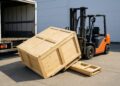
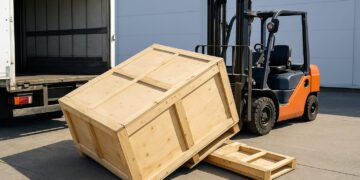
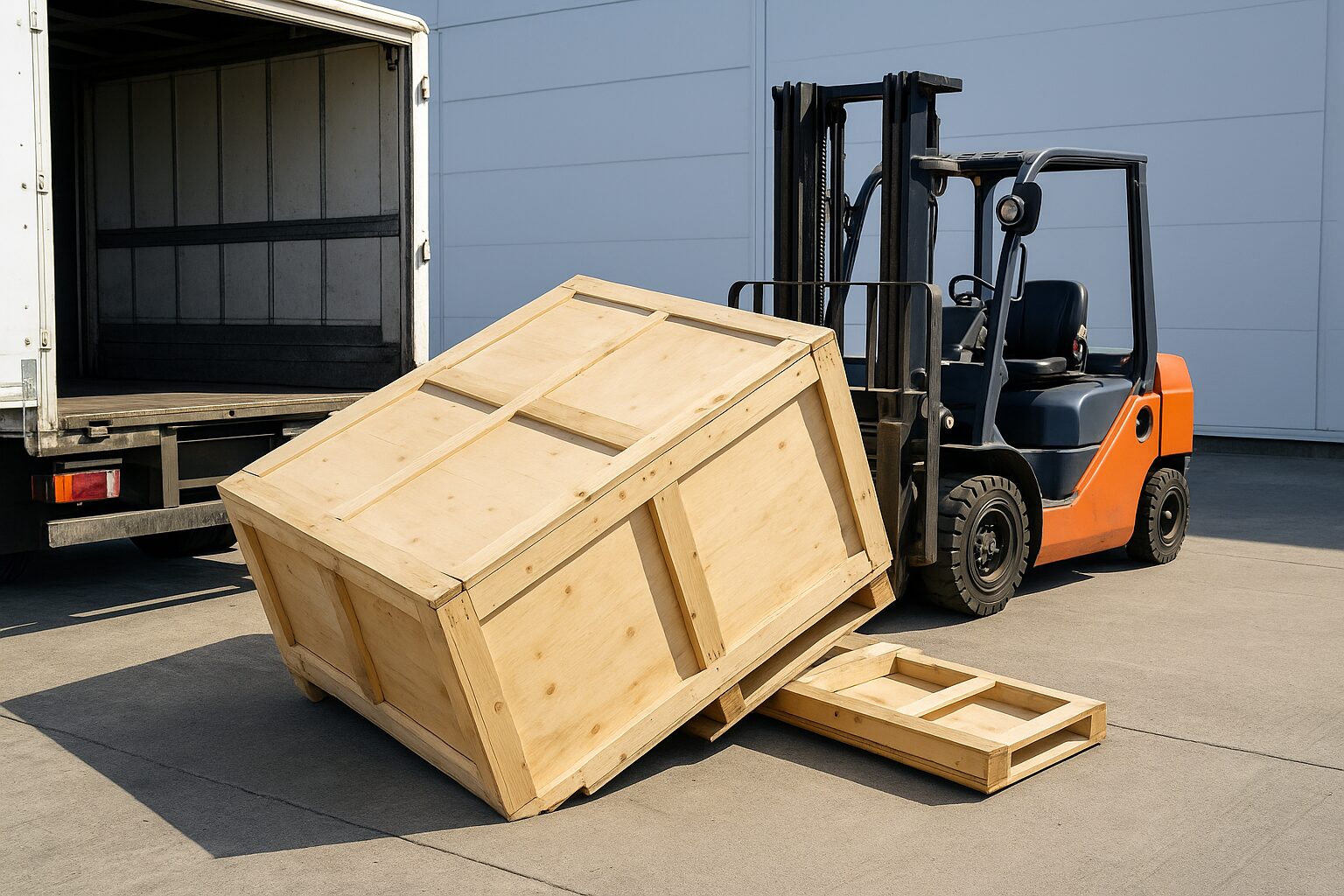
A Hull company has been sentenced following a serious incident that resulted in a 64-year-old worker suffering life-changing injuries. Smith & Nephew Medical Ltd was sentenced on 14 September 2026 after Mr Dubey, employed by Nippon Express (UK) Ltd, was injured when a crate weighing approximately 1.2 tonnes fell from a forklift truck.
The incident occurred on 22 December 2020, during a delivery of a large crate containing an electron microscope to the Smith & Nephew Medical Ltd site. Originally, Nippon Express had arranged for a forklift truck and driver for the delivery. However, due to COVID-19 restrictions intended to limit on-site personnel, Smith & Nephew assumed responsibility for unloading the items.
The Health and Safety Executive (HSE) investigation revealed that the unloading operation was inadequately planned and not supervised. Consequently, Mr Dubey was positioned unsafely, and the crate was lifted improperly, leading to it falling onto him and causing significant injuries.
The investigation determined that Smith & Nephew Medical Ltd had not sufficiently planned for the unloading process. There was no assessment of the suitability of the company’s two-tonne forklift truck for the load, nor were precautions and responsibilities considered. The unloading process lacked proper control and supervision.
Smith & Nephew Medical Ltd was found guilty of breaching Section 3(1) of the Health and Safety at Work etc. Act 1974. The company was fined £230,000 and ordered to pay £111,000 in costs.
After the hearing, HSE Inspector David Stewart stated, “The company should have had clear procedures in place setting out how deliveries were to be managed and what safety measures were required for third parties attending site. These requirements did not change just because normal delivery arrangements at Smith & Nephew had changed, due to restrictions on third-party access during the COVID-19 pandemic.” He added that if Smith & Nephew opted not to participate in unloading deliveries, this needed clear specification, and if third parties were involved, their safety measures should have been clearly defined.
Stewart concluded that this case serves as a reminder to the industry regarding the importance of meticulous planning and supervision for unloading operations, particularly when dealing with non-standard loads that necessitate a thorough risk assessment.
The prosecution was brought by HSE enforcement lawyer Jonathan Bambro and paralegal officer Rebecca Forman.
Source: read the original report.
What this means for your site
This incident underscores the critical need for planning and supervision of non-standard lifting operations. A key failure was that Smith & Nephew Medical Ltd did not properly assess or plan the unloading operation, violating the Health and Safety at Work etc. Act 1974. To prevent such incidents, companies must ensure thorough risk assessments are conducted, particularly for large or unusual loads. Legislation like the Management of Health and Safety at Work Regulations 1999 mandates risk assessments and the establishment of safe systems of work, which were evidently neglected in this case.
To improve safety, businesses should implement concrete steps such as developing and enforcing clear procedures for unloading deliveries, ensuring all staff involved are trained and aware of their roles during such operations. Regular safety briefings should reinforce the importance of supervision during lifting operations. Lastly, the suitability of lifting equipment must always be matched with the load requirements, adhering to the provisions of the Lifting Operations and Lifting Equipment Regulations (LOLER) 1998 to ensure compliance and safety on site.