















Story Highlight
- Two patients die yearly due to patient hoist accidents.
- Accidents linked to equipment failure and inadequate training.
- MHRA received 22 fatal incident reports since 2015.
- Issues occur across various care settings, not just hospitals.
- MHRA urges careful checks and training for hoist use.
Full Story
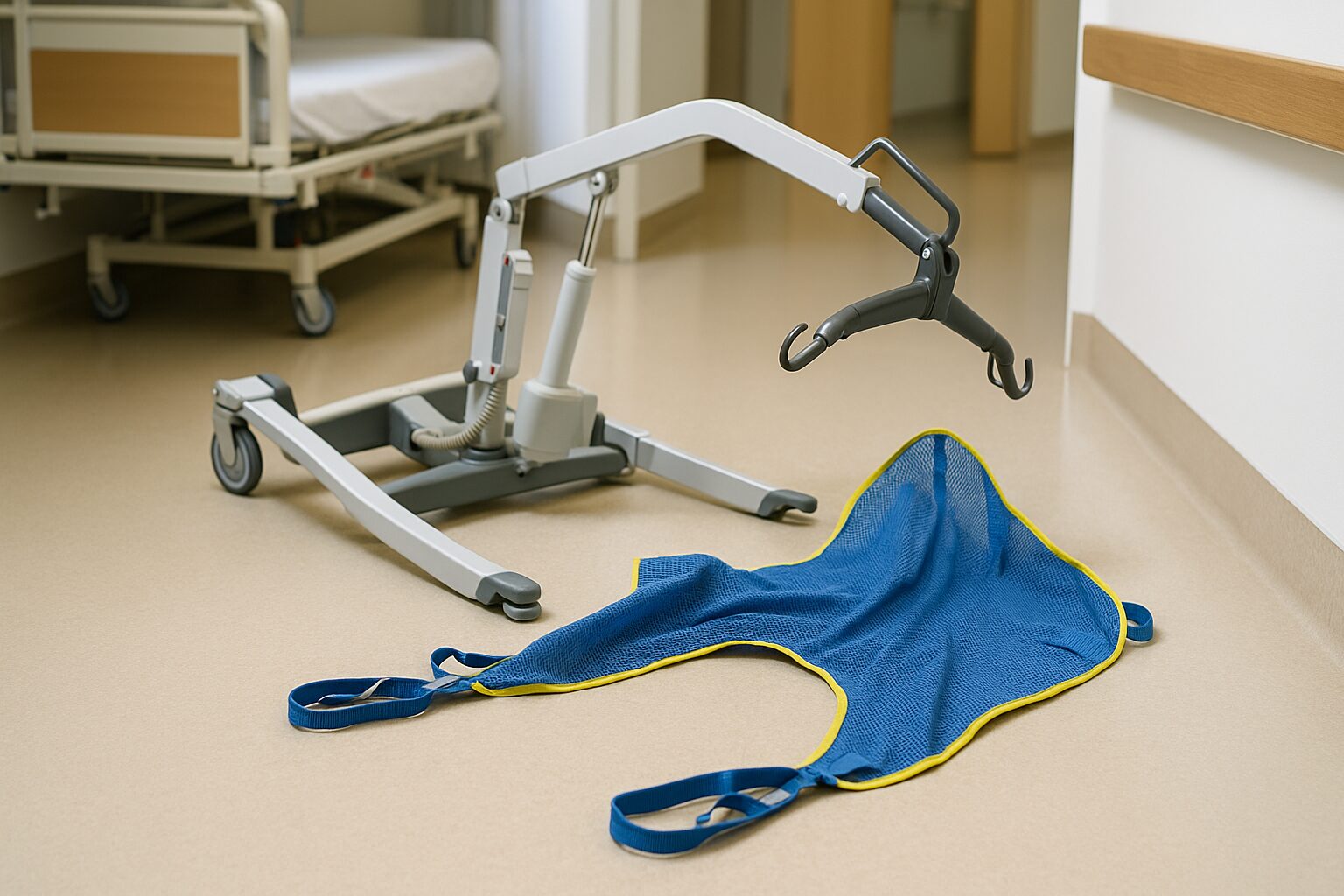
Health officials have issued a warning regarding the potential dangers associated with patient hoists and slings following the revelation that approximately two patients die each year due to related accidents. This alarming information emerged in a recent patient safety alert from the Medicines and Healthcare Products Regulatory Agency (MHRA).
The MHRA stated that from January 1, 2015, to December 31, 2025, it recorded 22 fatalities linked to incidents occurring during patient transfers involving these devices. These incidents were not limited to hospitals, with occurrences reported in care homes and private residences as well. According to the MHRA, the average number of deaths attributed to such accidents has remained steady, with two fatalities per year since 2015.
Investigations into these incidents have identified a number of contributing factors, including equipment failure at critical attachment points, the use of incompatible components, and insufficient checks and training. In light of these findings, the MHRA has advised health and social care organisations to adopt rigorous practices when utilising hoists and slings. Recommended measures include conducting pre-use checks, ensuring that the equipment used is both correct and compatible, and providing adequate training for staff.
Dr Alison Cave, chief safety officer at the MHRA, emphasised that “ensuring patients are safe during transfers and repositioning is our top priority.” She acknowledged the importance of patient hoists in providing safe and dignified care but warned that improper use or lack of maintenance can lead to tragic consequences. Dr Cave urged healthcare providers, caregivers, and anyone operating a hoist to adhere closely to the provided guidance to mitigate potential harm.
Source: read the original report.
What this means for your site
The reported incidents involving patient hoists and slings illustrate critical lapses in safety management. To prevent future occurrences, emphasis must be placed on proper training and regular equipment maintenance. The Health and Safety at Work etc. Act 1974 mandates that employers ensure, as far as reasonably practicable, the health and safety of their employees and others affected by their work activities. In tandem, the Management of Health and Safety at Work Regulations 1999 requires risk assessments to identify hazards associated with the use of hoists and slings, which should include ensuring compatibility of components and adequate staff training.
Concrete steps to mitigate similar incidents include implementing a robust pre-use check protocol that reinforces the importance of equipment compatibility and condition, thereby reducing the risk of equipment failure. Additionally, establishing a comprehensive training program focusing on safe operation techniques can empower staff to handle equipment correctly, promoting a culture of safety and diligence. By adhering to the guidance provided by regulatory bodies and incorporating these strategies, sites can significantly reduce the risk of harm associated with patient transfers.