












Story Highlight
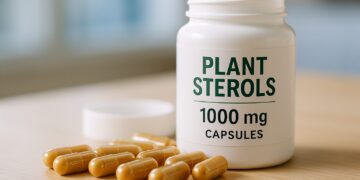
- Boots offers 32p capsules that lower high cholesterol levels.
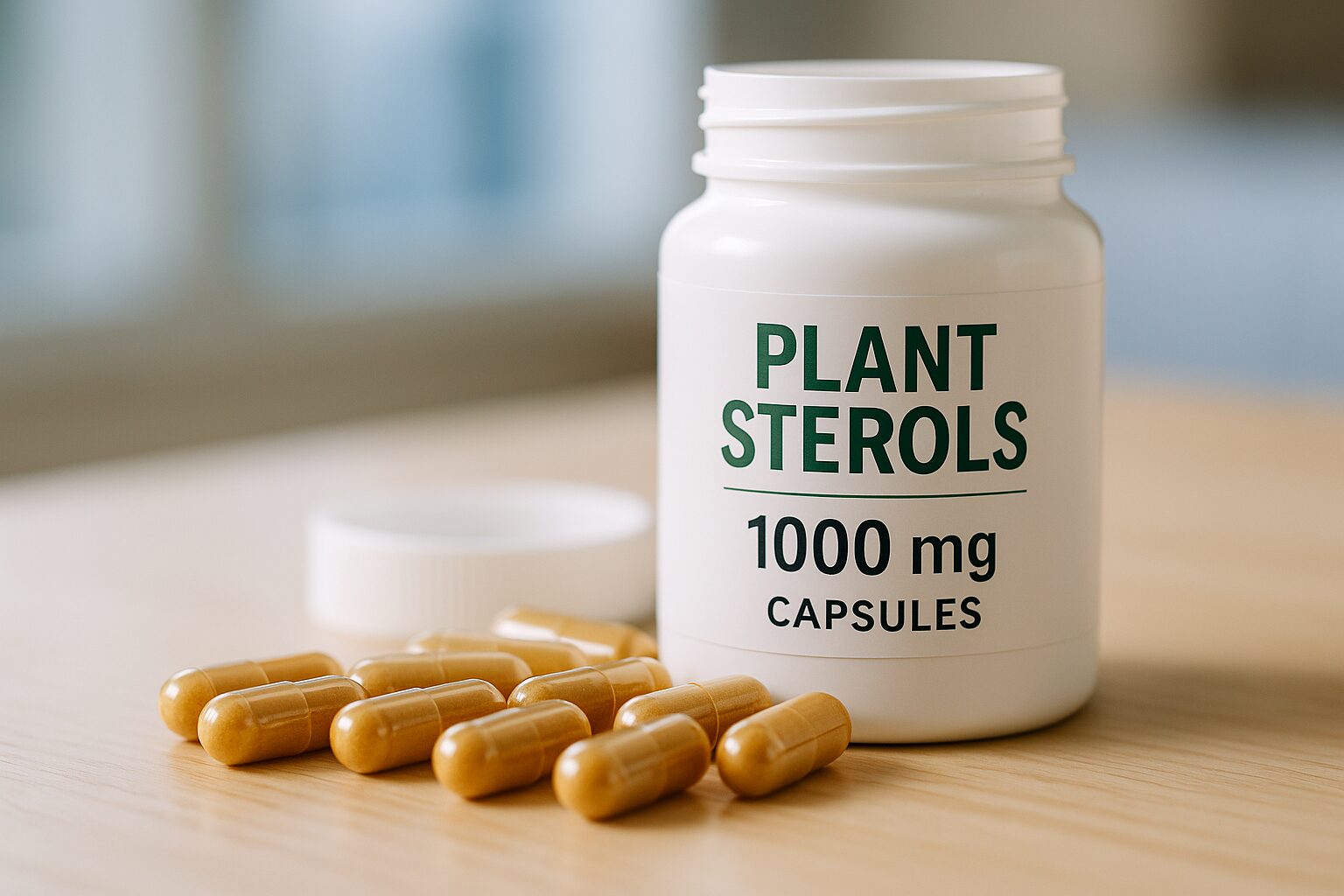
- Each capsule contains 1000mg of natural plant sterols.
- Clinical studies show plant sterols effectively reduce LDL cholesterol.
- Recommended daily intake is between 1500mg and 3000mg.
- Consult a doctor before starting plant sterol supplements.
Full Story
Boots has announced the availability of a new product aimed at reducing high cholesterol levels. The pharmacy is selling Max Strength Plant Sterols 1000mg Capsules at a price of £19.99 for a pack of 60, translating to 32p per capsule. The retailer states that these capsules are “clinically proven to lower cholesterol levels.”
Each capsule contains 1000mg of plant sterols, which are natural compounds found in various plants, known to lower “bad” LDL cholesterol in the blood. According to the British Heart Foundation, the structural similarity of plant sterols to cholesterol allows them to influence cholesterol behaviour in the body. However, the BHF notes that the natural dietary intake of plant sterols is generally low, insufficient for significant impact on cholesterol levels without supplementation.
Boots explains that regular high doses of plant sterols, specifically at 2000mg per day, can prevent normal cholesterol absorption in the blood and small intestine. The pharmacy warns that excessive consumption above 3000mg daily should be avoided and advises that the product is not intended for individuals who do not require cholesterol management.
Research supports the efficacy of plant sterols in cholesterol reduction. A definitive review published in the Mayo Clinic Proceedings analysed 41 clinical trials and found that a daily intake of two grams results in an average 10% reduction in LDL cholesterol. The European Food Safety Authority has similarly concluded that a daily intake of 1.5 to 2.4 grams can reduce blood cholesterol by 7% to 10.5% within two to three weeks.
The BHF states that there is strong evidence that daily consumption of 1.5g to 3g of plant sterols can reduce cholesterol levels between 7% to 12% after a few weeks of use. However, it clarifies that there is no proven benefit in preventing heart attacks or strokes, leading the National Institute for Health and Care Excellence to suggest that plant sterols should not be used to prevent cardiovascular disease.
Additionally, plant sterols function differently from cholesterol-lowering statins, which work by reducing cholesterol production in the liver. It is noted that those taking statins can further lower their cholesterol levels by also consuming plant sterols, but the supplements should not replace statin medications.
Before starting any new supplementation, individuals are advised to consult a healthcare professional, especially those with certain health conditions, such as sitosterolaemia, or specific dietary needs. For healthy cholesterol maintenance, the NHS recommends dietary modifications, including reducing saturated fat intake and increasing soluble fibre, alongside regular physical activity and other healthy lifestyle choices.
Source: read the original report.