















Story Highlight
- Aujemflu vaccine approved for over 50s in the UK.
- First flu shot combining three protection approaches in one vaccine.
- NHS to use Aujemflu for adults aged 65 and at-risk 50 to 64.
- Agreement allows purchase of over 100 million pandemic vaccine doses.
- Flu killed 3,798 people in England during the 2025/26 season.
Full Story
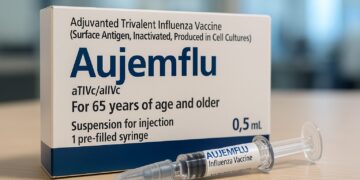
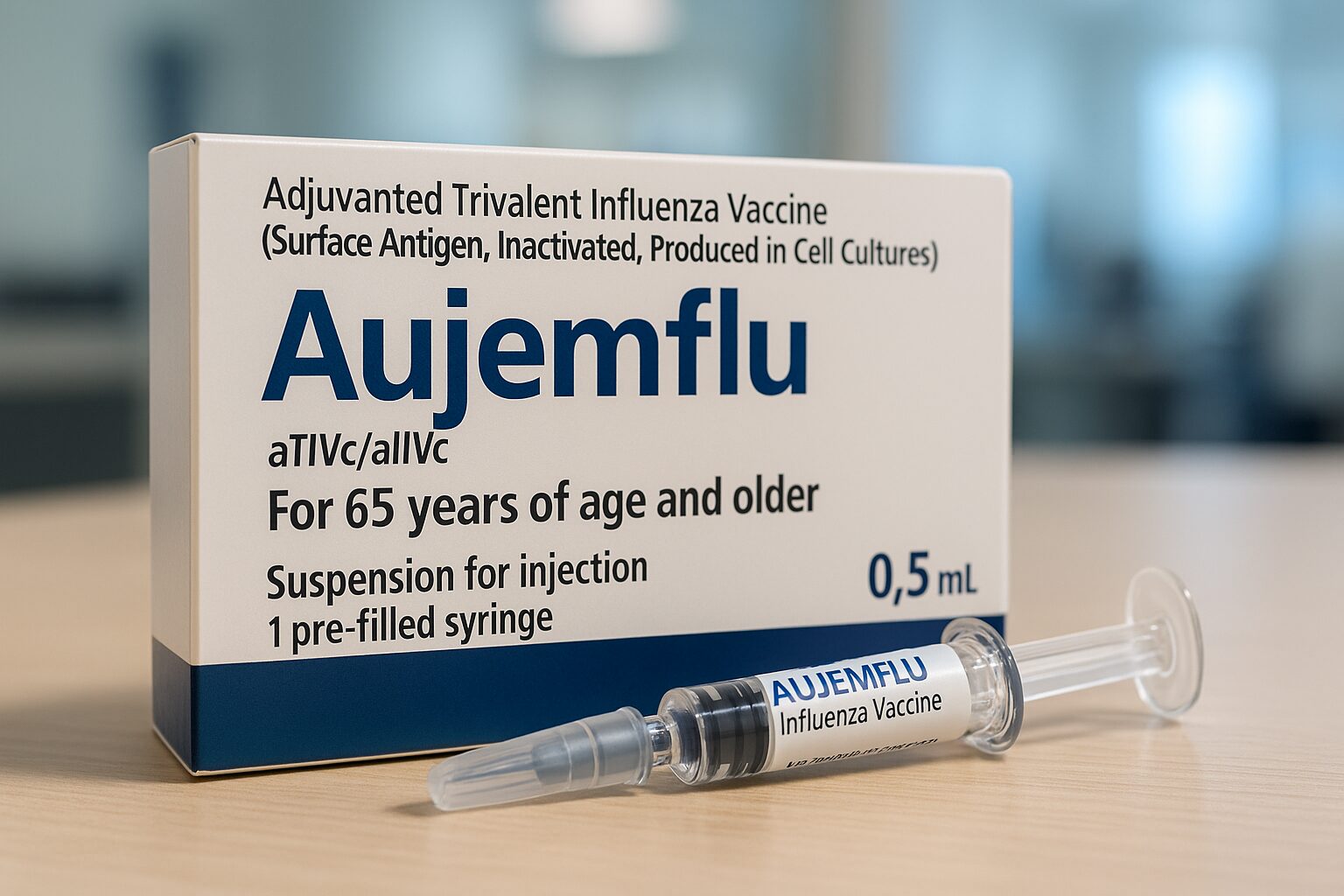
An adjuvanted, trivalent influenza vaccine named Aujemflu, developed by CSL Seqirus, has been approved for use in the UK and will be implemented ahead of the 2027/28 flu season following an agreement with the government. Aujemflu, approved by the Medicines and Healthcare products Regulatory Agency (MHRA) in June for individuals aged 50 and older, is notable for being the first flu vaccine to incorporate three methods to enhance protection for older adults. These methods include an adjuvant (MF59), cell-based manufacturing, and a higher-dose formulation.
The new arrangement allows the NHS to utilise Aujemflu for the seasonal flu vaccination programme targeting adults aged 65 and above, as well as at-risk adults aged between 50 and 64, who are more susceptible to complications from influenza. The addition of Aujemflu to the flu vaccine recommendations was made by the Joint Committee on Vaccination and Immunisation (JCVI) in July.
This agreement also extends an existing contract between the UK government and CSL Seqirus for pandemic influenza vaccines, which will now remain in effect until 2031. The deal secures the option for the UK to purchase more than 100 million doses of pandemic flu vaccine in the event of a declaration of an influenza pandemic by the World Health Organization. The vaccine will be manufactured at CSL Seqirus’ facility in Liverpool, which will also produce Aujemflu.
Marc Lacey, the global executive director of CSL Seqirus, stated that the collaboration with the UK is “helping to protect people each winter while maintaining the capability to respond rapidly to a future influenza pandemic from our Liverpool site.”
During the 2025/26 flu season, influenza resulted in 3,798 fatalities in England, with the majority occurring in the 65-and-over age group, amounting to 3,442 deaths. Aujemflu is administered as a single-dose injection into the upper arm by qualified healthcare professionals. The MHRA’s approval was founded on a study involving 7,699 participants aged 50 and older, comparing Aujemflu against adjuvanted egg-based and recombinant quadrivalent vaccines. The study found that Aujemflu elicited a stronger immune response compared to the egg-based vaccine across all four strains at four weeks, and demonstrated equivalence with the recombinant vaccine for three of the strains, while also having a well-tolerated safety profile.
Dame Diana Johnson, Minister of State for Public Health and Patient Safety, remarked, “Every winter, flu affects millions of families across the country, with older people among those particularly at risk. That’s why I’m proud that the UK is due to be the first country in the world to roll out a new vaccine next year targeted at older age groups along with existing vaccines.”
Source: read the original report.
What this means for your site
While the introduction of the Aujemflu vaccine represents a positive advancement in public health, it underscores the importance of robust health and safety management in vaccine deployment and administration settings. Organizations should ensure compliance with the Health and Safety at Work etc. Act 1974, which mandates businesses to protect the health and safety of employees and the public. Additionally, the Management of Health and Safety at Work Regulations 1999 applies, requiring risk assessments and the implementation of appropriate measures to mitigate risks associated with vaccination programs.
To prevent potential adverse incidents during vaccine administration, sites could implement a structured training program for healthcare providers focused on safe injection practices, infection control, and emergency response protocols. Moreover, conducting regular risk assessments specific to the vaccination process will help identify and address potential hazards, ensuring patient safety and compliance with regulatory expectations. Furthermore, establishing a clear reporting system in line with RIDDOR 2013 for any adverse events occurring during vaccination could enhance safety monitoring and risk management strategies.