










Story Highlight
– British Heart Foundation operates nearly 700 UK shops.
– Charity refuses donations of unsafe clothing items.
– Furniture must have fire safety labels to be accepted.
– Extensive restrictions on children’s safety equipment donations.
– Hygiene concerns limit acceptance of personal appliances and weapons.
Full Story
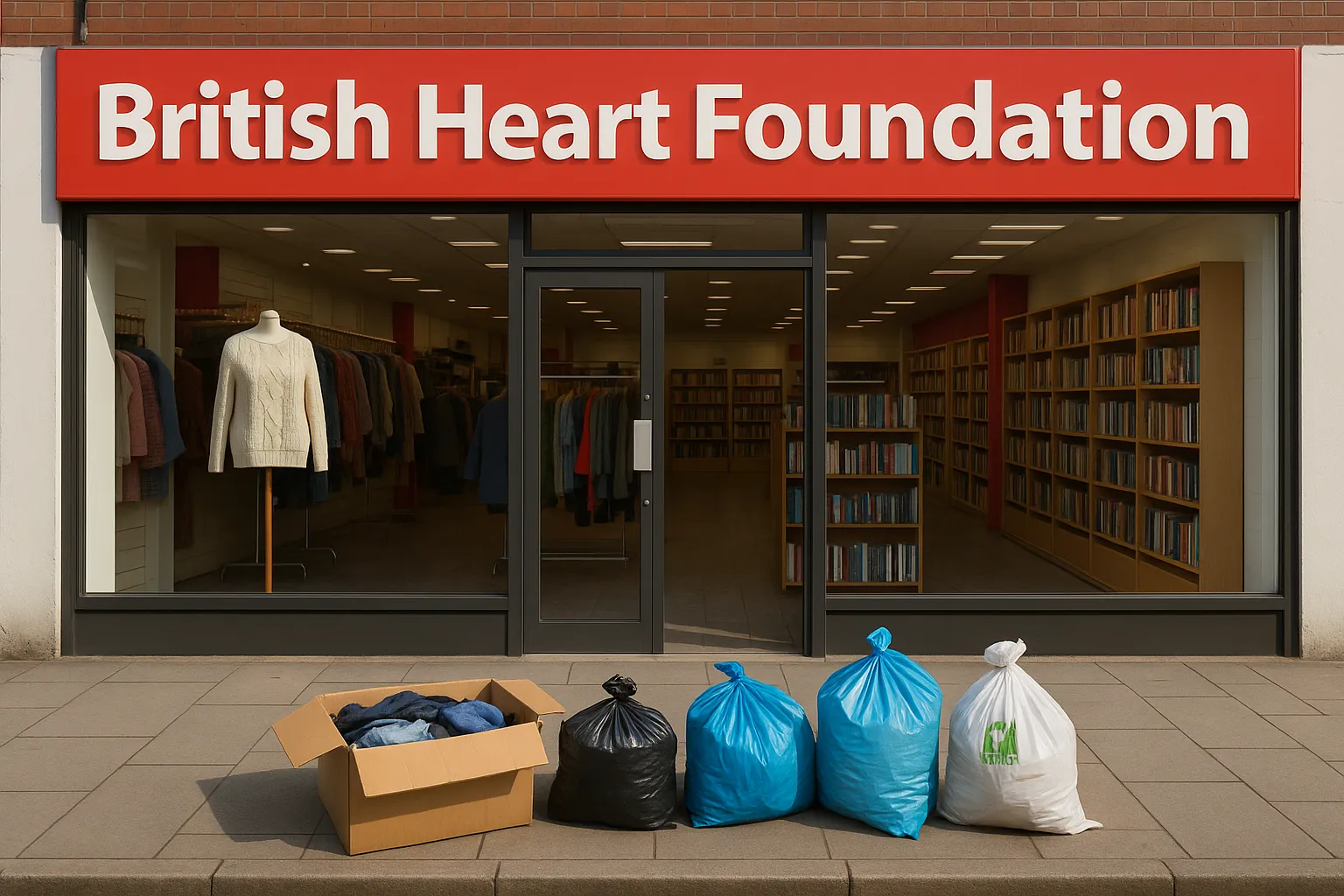
The British Heart Foundation (BHF) has established itself as a significant player in the charitable retail sector, boasting nearly 700 shops across the United Kingdom. These outlets serve as vital sources of funding for heart disease research and associated health initiatives. However, while the foundation welcomes a wide array of donations, there are specific categories of items that they cannot accept due to legal, safety, and hygiene concerns.
With spring approaching, many people begin the ritual of decluttering their homes, a process that often involves donating unwanted items to local charity shops. For numerous households, the BHF is the go-to destination for such charitable contributions. Nonetheless, it is essential for potential donors to be aware of items that are not welcome in these shops. This can help to avoid unnecessary trips and ensure that donations are suitable for resale.
The BHF’s commitment to safety, particularly regarding clothing, underscores a broader concern prevalent across various charity retailers. Notably, while clothing donations are crucial, there are particular items that cannot be accepted. For example, adult fancy dress costumes are often rejected unless they carry safety labels indicating low flammability. Children’s fancy dress outfits require either a CE or UKCA mark to ensure they meet safety standards.
Nightwear, which encompasses pyjamas, dressing gowns, and nightdresses, is subject to similar scrutiny. Each of these garments must display appropriate fire safety warnings. Surprisingly, children’s clothing that includes drawstring hoods is also banned due to safety risks, along with homemade knitwear, as outlined on the BHF’s website.
In addition to clothing, the BHF manages shops that specialize exclusively in furniture and homeware. While they appreciate donations in good condition, there are particular stipulations that must be adhered to. Used pillows, duvets, and quilts are not permitted unless they come with fire safety labels. Furthermore, furniture painted with lead-based paint is outright refused, as are upholstered items that lack fire safety certification.
Children’s safety remains a top priority for the BHF, and this is reflected in the extensive list of children’s items they cannot accept. High chairs, cots, booster seats, and other similar products pose significant safety risks when resold second-hand. While many families may wish to pass on such equipment, regulations dictate that these items should not be sold in this context. Additionally, inflatable beds and water-related toys are also excluded from permissible donations.
Moreover, hygiene is a prevalent concern for the BHF when it comes to certain personal items. Appliances such as electric shavers or foot spas are deemed unsuitable unless they are brand new and sealed. Donations of prescription glasses are also not accepted due to health considerations. The foundation strictly prohibits any type of weapon or items that could pose significant hazards, which includes gas-powered equipment, power tools, and large household appliances like washing machines and electric blankets.
As a part of their operational ethos, the BHF encourages potential donors to refer to their official guidelines or consult with shop staff before making a donation. Each charity shop typically has protocols in place to help manage these contributions efficiently and safely. Understanding the restrictions can be beneficial, as many would-be donors may not initially consider the potential legal implications and health risks associated with certain items.
The BHF’s substantial retail network not only plays a crucial role in collecting funds for research but also raises awareness about heart health issues. By educating the public about what can and cannot be donated, they not only streamline their operations but also promote responsible and informed giving.
With nearly 700 shops, the BHF has positioned itself as the largest charity retail chain in the UK, a fact that underscores its importance in the charitable landscape. The foundation’s work, combined with the community’s support through donations, creates a symbiotic relationship that fosters both local improvement and engagement. As the charity continues its mission, the adherence to strict donation guidelines ensures that all items sold meet appropriate standards, reinforcing the safety and dignity of both the recipients and the community at large.
In conclusion, while the British Heart Foundation remains a beloved charity for many individuals wishing to donate, it is essential to recognize the importance of adhering to their guidelines. Awareness of unsuitable items not only helps maintain the integrity of the charity’s operations but also supports overall health and safety in the community. By working together to ensure that only appropriate, safe, and hygienic items are donated, contributors can play a vital role in the ongoing fight against heart disease and support important research initiatives.
Our Thoughts
The British Heart Foundation’s refusal to accept certain donations highlights the importance of adhering to health and safety regulations regarding resale items. To avoid potential legal and safety issues, clearer communication and public awareness campaigns could be implemented to inform donors about restrictions on items, especially those that require specific safety certifications, such as flammability labels on clothing or safety marks on children’s items.
Key safety lessons include the significance of ensuring items meet the relevant safety standards (e.g., the General Product Safety Regulations 2005) and the need for charities to systematically reject unsafe goods to protect both employees and customers, reinforcing the Health and Safety at Work Act 1974 obligations.
By improving donor education and implementing strict item acceptance guidelines, similar incidents could be minimized. Furthermore, regular training for shop staff on identifying non-compliant items and proper disposal methods would help prevent health and safety breaches. Inadequate management of this process could lead to potential legal liabilities under UK health and safety legislation.