












Story Highlight
– Women’s PPE often just resized men’s equipment.
– 70% of women report ill-fitting protective gear.
– GMB union pushes for inclusive PPE Charter expansion.
– UKHSA urged to review PPE fit standards.
– £1 billion health strategy aims for improved PPE readiness.
Full Story
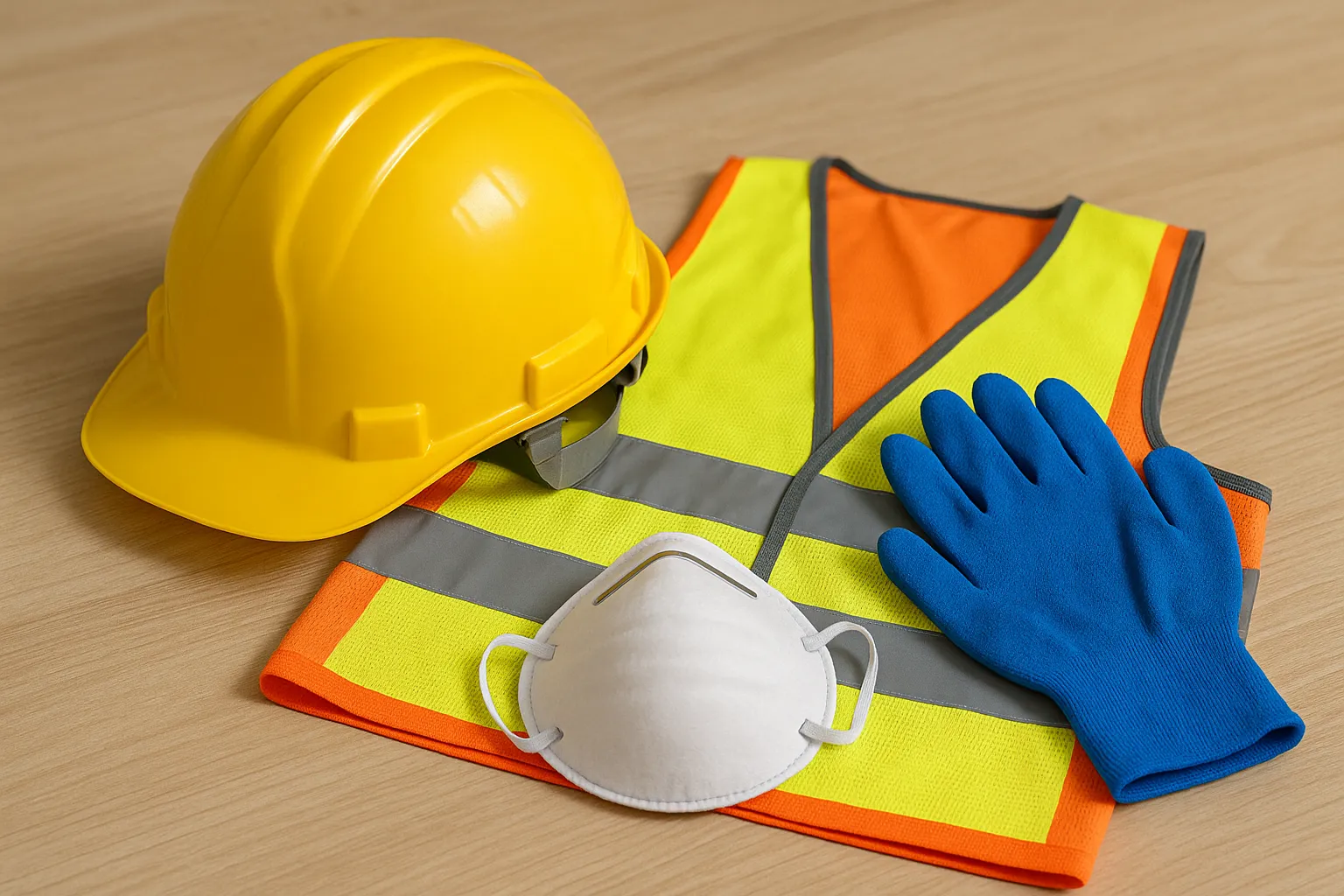
Concerns have emerged regarding the adequacy of personal protective equipment (PPE) provided to women, with evidence suggesting that much of it is merely a scaled-down version of men’s gear, ill-suited for the female anatomy. This pressing issue has sparked new calls for action from health officials and advocacy groups regarding the safety standards of PPE.
Recent warnings directed at the UK Health Security Agency (UKHSA) highlight that existing PPE stockpiles are not fit for women, raising significant safety concerns. Historically, it has been observed that women’s PPE is often designed without proper consideration for their unique physical needs, leading to a situation where many female workers feel at increased risk due to ill-fitting gear.
According to a survey conducted by the GMB union, approximately 70% of women working in frontline services report that they are forced to use protective equipment that does not fit correctly. This inadequacy not only impacts their comfort but also their safety and confidence while performing their jobs. Labour MP Kirsteen Sullivan, alongside Mel Bartlett, the head of GMB’s PPE Fit for All Campaign, has voiced their frustrations and taken action by sending a letter to the UKHSA, demanding a comprehensive review of the current PPE standards and practices.
The letter emphasizes the findings of the GMB, citing that frontline workers, particularly women, disabled individuals, and those from marginalised communities, frequently struggle to access adequate PPE. Sullivan and Bartlett argue, “GMB has gathered evidence from frontline health workers, particularly women, disabled people and marginalised groups, showing a significant proportion cannot access PPE that adequately fits and protects. We believe this creates a foreseeable risk and has direct implications on the health and safety of the entire workforce and the population they serve.”
These safety concerns come amid a backdrop of increasing scrutiny surrounding the government’s handling of PPE procurement during the pandemic, which previously led to financial waste estimated at £762 million due to ineffective oversight in ensuring the suitability of equipment.
The commitment made by the GMB union has so far facilitated a change, with up to 250,000 women across various sectors expected to benefit from the charter aiming for inclusivity in PPE design and supply. However, the demand is growing for an expansion of this initiative to include all frontline workers, ensuring every individual is adequately protected, regardless of gender or body shape.
Sullivan elaborated on the importance of this initiative, stressing the need for value for money with the new PPE stockpiles planned under the government’s £1 billion health protection strategy. “We’ve had no shortage of PPE scandals with previous governments; any new PPE stockpile must be value for money. £1bn is a huge sum of public money, and our public services need to be able to reliably deploy this PPE,” she stated.
Mel Bartlett highlighted the critical nature of correctly fitting PPE within the health sector, remarking, “If we are going to spend £1bn on PPE, we must make sure it fits the people who rely on it. Across the health sector, equipment such as masks and gloves are workers’ last line of defence against infections and diseases.” They underscored that failing to procure equipment considering a diverse workforce could lead to a repetition of the adverse impacts faced by marginalised workers during the outbreak.
In response to the growing calls for reform, a spokesperson for the Department of Health and Social Care acknowledged the government’s commitment to ensuring the safety of NHS and social care staff. They reiterated that it is already a legal requirement for employers to provide PPE that is suitable and safe for their workers. Furthermore, they mentioned that PPE stockpiles include a variety of sizes across all products, aiming to meet the diverse needs of the workforce.
The UK government has set out substantial investments aimed at bolstering the nation’s health preparedness, which includes enhancing access to vaccines and improving pandemic surveillance systems. As part of this comprehensive strategy, the development of a new national contact tracing system is also on the agenda to help avert future outbreaks.
Nonetheless, the underlying issues concerning PPE for women and marginalised groups cannot be ignored. The call for inclusive design and equitable access to safety gear remains vital as the UK moves forward, especially in light of past experiences that highlighted significant shortcomings in PPE adequacy.
With the spotlight now firmly on the need for reform, advocacy for better-fitting PPE is expected to continue, ensuring that the safety and health of all workers are prioritised in future procurement processes. It is clear that regular reviews and updates to safety standards are essential to protect those on the frontline who serve the public, particularly in times of crisis.
Our Thoughts
The reported issues regarding women’s PPE highlight significant failures in compliance with UK health and safety legislation, particularly the Health and Safety at Work Act 1974 and the Personal Protective Equipment at Work Regulations 1992. These regulations mandate that employers provide suitable PPE that adequately fits its users to ensure safety.
To avoid the reported dangers associated with ill-fitting PPE, UKHSA should have implemented thorough assessments of PPE standards that account for body diversity, ensuring products meet the specific needs of all workers. This includes conducting extensive consultations with female and marginalized workforce representatives during the procurement process.
Key safety lessons include recognizing the importance of fit-for-purpose PPE in protecting against occupational hazards, and the need for regular reviews of stockpiled equipment to ensure compliance with current standards and user needs.
To prevent similar incidents, an inclusive procurement strategy should be developed alongside enforceable guidelines for manufacturers providing PPE, ensuring adequate sizes and designs are available. Ultimately, prioritizing worker safety and fit in PPE could mitigate foreseeable risks and improve overall workplace health outcomes.