Story Highlight
– Company fined for inadequate welfare facilities at sites.
– HSE issued improvement notices for non-compliance.
– Hot water and rest facilities were not provided.
– Previous violations led to repeated enforcement actions.
– Legal obligations for worker welfare were not met.
Full Story
A construction firm in the West Midlands has faced legal repercussions following a series of health and safety violations detected at multiple worksites in the area. Ling Developments Limited has been implicated in failing to provide essential welfare facilities required by law, after an inspection by the Health and Safety Executive (HSE) revealed serious shortcomings in their compliance.
The inspection, carried out in April 2024 at one of the company’s sites located at The Crest in Oldbury Park, Telford, exposed significant deficiencies in welfare provisions. Notably, the site was found lacking in hot or warm water for washing hands, which is a fundamental requirement for all construction workers. The inspection prompted the HSE to issue two improvement notices, compelling the company to rectify these issues to meet legal standards.
This incident is not an isolated occurrence for Ling Developments Limited. The HSE has previously documented multiple breaches at three other sites operated by the firm, reflecting a persistent disregard for legal obligations concerning worker welfare. Despite past enforcement actions and guidance from HSE inspectors aimed at improving conditions, Ling Developments continued to fall short of the necessary standards.
Under the stipulations outlined in The Construction (Design and Management) Regulations 2015, construction firms are legally required to provide adequate welfare facilities on site. This includes ensuring access to:
– Clean hot and cold or warm water.
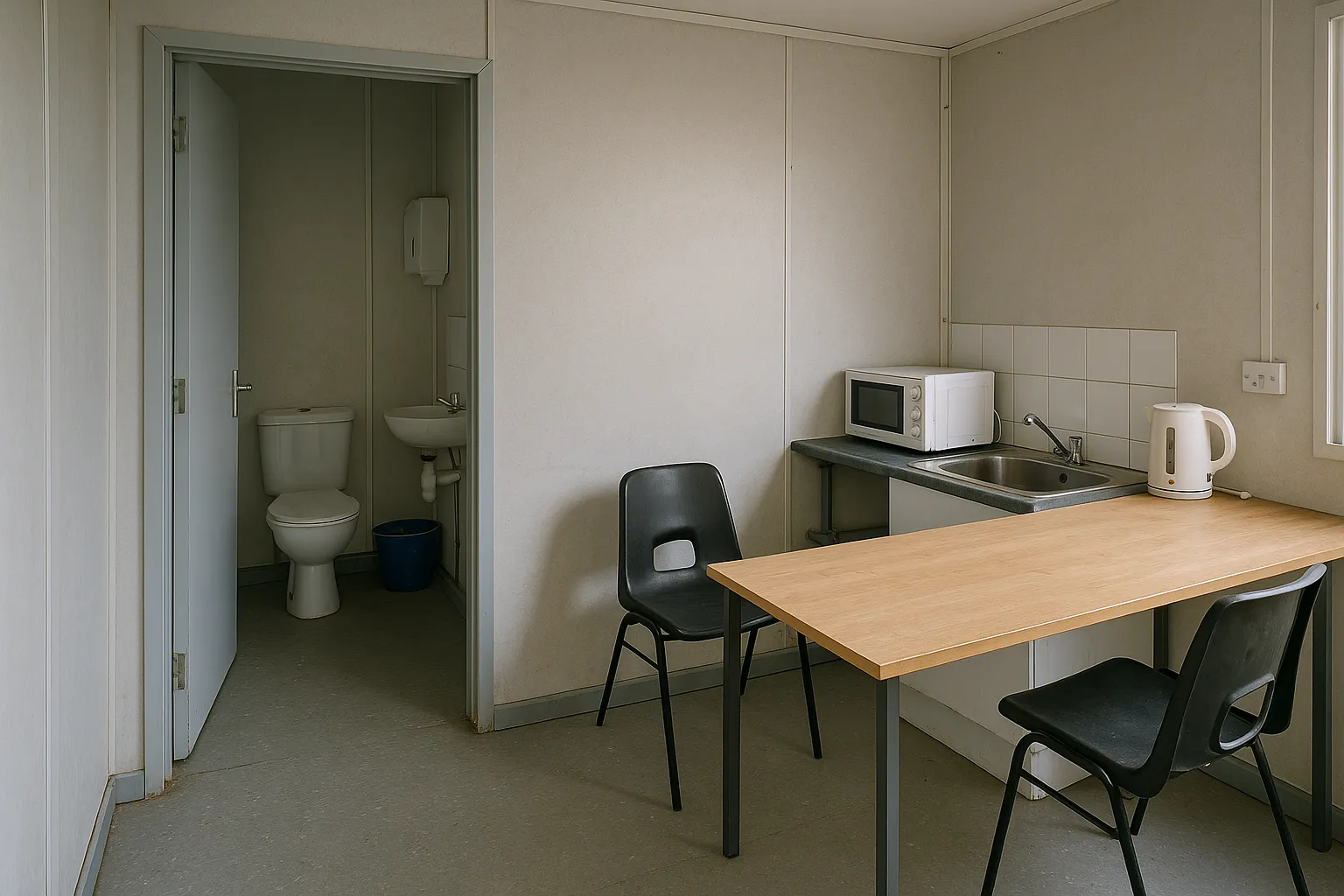
– Sufficient rest facilities, featuring an appropriate number of tables and seating.
– Provisions for the safe preparation and consumption of meals.
Details regarding the requirements can be found in the HSE’s welfare guidance overview.
At Birmingham Magistrates Court on 13 April 2026, Ling Developments Limited, headquartered at Maypole House on Maypole Street in Wombourne, Wolverhampton, entered a guilty plea for breaches of Regulation 13 (4)(c) of the aforementioned regulations. The court imposed a fine of £15,858 on the company, alongside costs amounting to £3,858.
HSE Inspector Natalie Spurrier commented on the situation, stating: “The provision of suitable welfare facilities such as hot running water and basic rest facilities are the minimum all workers should expect—they aren’t a luxury.” Spurrier added, “Our investigation found that Ling Developments Limited failed in its duty to provide the minimum standard of welfare facilities at some of its construction sites. Failing to comply with legal obligations places workers at unnecessary risk. We expect these responsibilities to be taken seriously and HSE will continue to take action when standards fall short.”
The HSE’s prosecution was spearheaded by enforcement lawyer Matthew Reynolds, with support from paralegal officer Lynne Thomas. This case serves as a reminder of the importance of adherence to health and safety regulations in the construction industry, which is paramount to protecting workers’ rights and wellbeing.
The repercussions of failing to meet these health and safety standards can be profound, not only impacting worker morale but potentially leading to severe consequences for the firm involved. Ling Developments Limited’s history of non-compliance raises concerns about the company’s commitment to worker safety, particularly in an industry known for its hazards.
As a leading authority on health and safety, the HSE undertakes rigorous investigations and enforcement actions to uphold workplace standards across various sectors in the UK. Their dedication to these issues aims to safeguard workers and ensure a healthy working environment, which is particularly critical in construction where workers face numerous risks daily.
Local experts in construction health and safety have emphasized the significance of compliance with welfare regulations. They argue that not only do adequate facilities enhance worker performance, but they also contribute to a culture of safety that benefits the overall project outcomes.
Construction firms are encouraged to prioritise the welfare of their employees as a fundamental aspect of their operations. By implementing effective welfare systems, companies can mitigate risks, enhance productivity, and foster a more engaged workforce.
The HSE provides extensive information and resources pertaining to legislative requirements and best practices related to workplace health and safety. Employers should take advantage of these resources to better understand their obligations and ensure they are providing the necessary facilities for their employees.
In conclusion, the case against Ling Developments Limited illustrates the essential nature of compliance with health and safety regulations in improving the welfare of construction workers. It serves as a critical reminder that failure to adhere to these standards is not only unlawful but also jeopardizes the safety and health of workers who contribute to the industry. The HSE’s ongoing efforts to enforce these regulations underline the importance of safeguarding the rights of all workers across Britain, ensuring that health and safety remain at the forefront of construction and other labour-intensive sectors.
Our Thoughts
Ling Developments Limited failed to meet its legal obligations under the Construction (Design and Management) Regulations 2015 by not providing adequate welfare facilities, including hot water and suitable rest areas. To prevent such deficiencies, the company should have implemented regular audits of their welfare provisions, ensuring compliance with legal standards. Additionally, a culture of safety that prioritizes worker welfare could have fostered greater accountability within the organization.
The repeated nature of these violations, despite previous enforcement actions by the HSE, underscores the need for stronger internal compliance measures and employee training on health and safety rights.
Key lessons from this incident include the critical importance of adhering to welfare facility regulations and the necessity for contractors to take HSE guidance seriously. Immediate corrective actions should have been made in response to initial inspections to avoid escalation of penalties. Regular health and safety inspections and effective communication between management and workers can enhance safety practices on site, reducing the likelihood of similar future incidents.