

















Story Highlight
– Daylight saving time leads to sleep deprivation risks.
– Heart attacks rise 24% after clock change.
– Fatal traffic accidents increase by 6% post-DST.
– Proposed bill seeks to end regular clock changes.
– Experts recommend prep for health before time switch.
Full Story
On the early hours of Sunday, 8 March, many Americans will face the annual ritual of adjusting their clocks forward by an hour. While this change may seem trivial, experts warn that this minor alteration in time can have significant repercussions on health and safety. Jennifer Martin, a former president of the American Academy of Sleep Medicine, has expressed her concerns in several interviews, noting, “The spring time change leads to society-wide sleep deprivation,” highlighting the potential impact on the population’s well-being.
With this year’s transition falling on the earliest possible date, the loss of sleep comes just a week after the shorter days of winter. The abrupt change gives individuals little time to readjust, leading to various negative effects. According to researchers, the consequences of sleep deprivation are observed through increased emergency room visits and higher accident rates shortly following the shift to Daylight Saving Time (DST).
Experts have warned that the health risks associated with this hour loss extend beyond mere fatigue. A study conducted by a Michigan hospital and cited by the American Heart Association indicated a striking 24% increase in heart attacks on the Monday following the time change. Similarly, research from Finland observed an 8% uptick in the incidence of ischemic strokes during the initial days after the clocks advance. Mondays typically see a higher frequency of severe heart attacks compared to other days of the week, and experts attribute part of this risk to circadian disruptions caused by the DST transition.
Dr. Art Coffey, chief medical officer at ProHealth Care, remarked, “We don’t really know exactly why there is an increase in heart attacks and strokes during the change to daylight saving time,” suggesting that the underlying cause likely relates to disturbances in the body’s internal clock. His sentiments are echoed by Dr. Darien Sutton, a medical correspondent with ABC News, who stressed on Good Morning America that even slight reductions in sleep can have detrimental effects on health, particularly increasing stress hormones, which elevate the risk of cardiovascular events. This effect seems to be especially pronounced among older adults and women.
Safety experts have also raised alarms about the implications of the time change for driving. A comprehensive study from the University of Colorado Boulder examined data on over 732,000 fatal accidents from 1996 to 2017. The results uncovered a 6% rise in deadly crashes during the week following the DST shift, translating to approximately 28 additional fatalities annually. For drivers located on the periphery of their respective time zones, where daylight hours differ significantly, the increase in accidents may surge to as high as 8%.
Céline Vetter, the senior author of the study and an assistant professor at CU Boulder, stated, “Our study provides additional, rigorous evidence that the switch to daylight saving time in spring leads to negative health and safety impacts.” She emphasised that the spike in fatal traffic accidents is both real and preventable, particularly as the highest incidence occurs during the Monday morning commute, a time when sleep-deprived drivers take to the roads.
While there is no nationwide movement to eliminate the clock changes entirely, a proposal exists that could potentially address the issue. H.R. 7378, referred to as the Daylight Act of 2026 and introduced by Representative Greg Steube of Florida, advocates for shifting all American time zones forward by 30 minutes, thus eliminating the need for the biannual adjustment between daylight saving and standard times. This approach seeks a compromise between those championing the benefits of prolonged summer evenings and advocates for maintaining standard time.
Dr. Karin Johnson, a spokesperson for the American Academy of Sleep Medicine, supported this proposal, stating it would likely be “less harmful than a full hour delay of permanent daylight saving time.” Public sentiment towards DST has shifted dramatically over the years; a Gallup poll conducted in January 2025 reflected that 54% of Americans are now in favour of abolishing the practice altogether, a sharp decline from 73% support recorded in 1999.
Preparing for the impending clock change can help mitigate some of its adverse effects. Health professionals recommend that individuals adjust their sleeping habits by going to bed 15 to 20 minutes earlier in the days leading up to 8 March. Exposure to natural sunlight shortly after the shift is also encouraged, with the aim of resetting the internal body clock. Reducing caffeine intake in the afternoon and eliminating distractions, such as mobile phones in the bedroom, can further enhance sleep quality.
Dr. Coffey noted, “Making small changes in your daily habits can make a big difference in your sleep quality and overall health.” Individuals are urged to be particularly cautious on Monday morning if they feel tired, observing for any signs of heart distress, including chest tightness or sudden weakness, which are critical indicators of a potential heart attack or stroke.
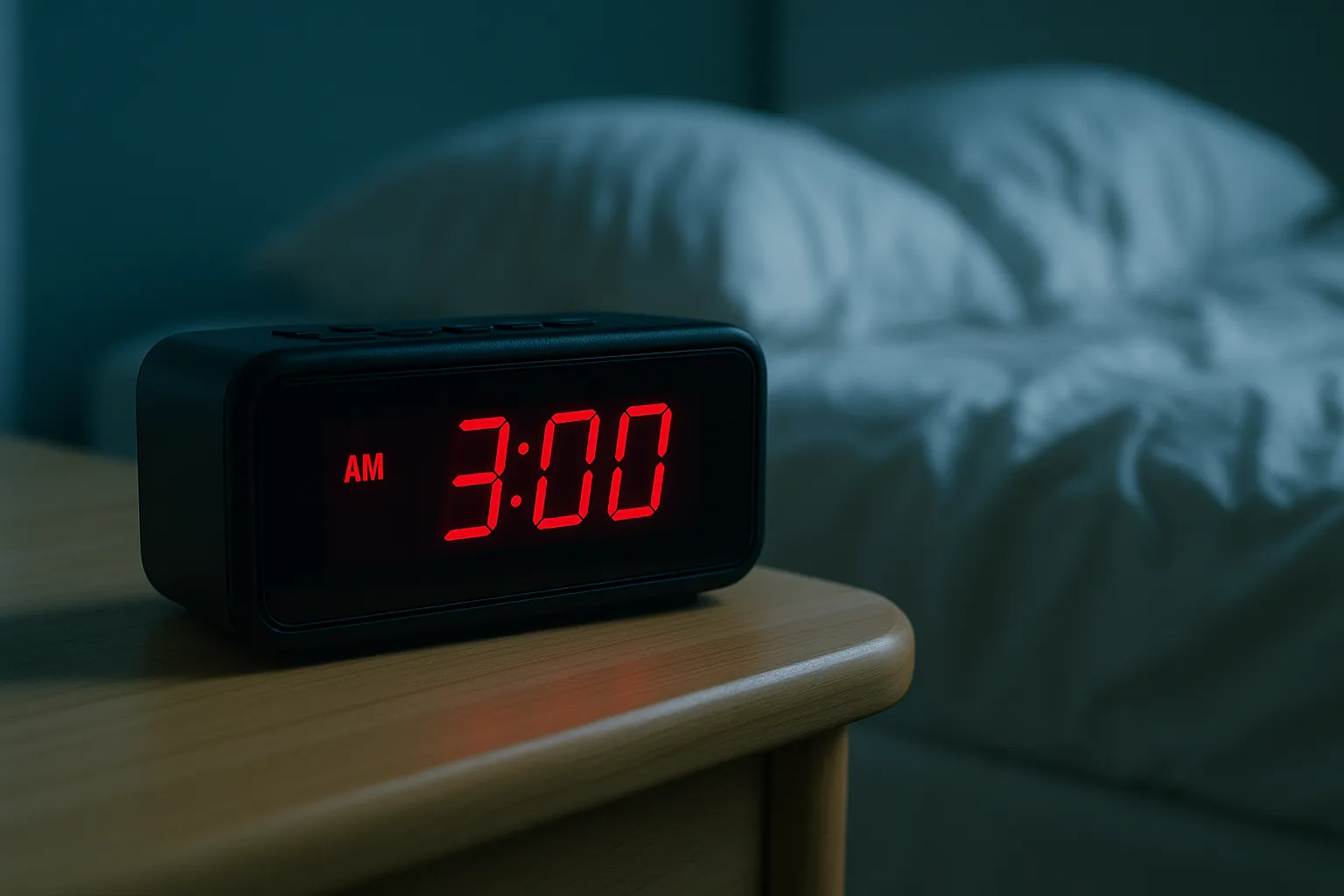
Despite previous legislative efforts, the Sunshine Protection Act, which sought to establish permanent DST, did not succeed in the House after passing the Senate in 2022. As the clocks move forward at 2:00 AM on Sunday to 3:00 AM, experts stress the importance of acknowledging the ramifications of this seemingly simple hour lost. For many, this hour could indeed translate into significant health risks and safety concerns.
Our Thoughts
The article highlights significant public health and safety risks associated with the switch to daylight saving time (DST), specifically linked to sleep deprivation and increased incidences of heart attacks and traffic accidents. In the context of UK health and safety legislation, several measures could be implemented to mitigate these risks:
1. **Risk Assessment**: Employers should conduct thorough risk assessments related to potential impacts of DST on employee health and safety. This aligns with the Management of Health and Safety at Work Regulations 1999, which require employers to assess risks and implement control measures.
2. **Awareness Campaigns**: Public health campaigns could be initiated to educate the population about the health impacts of sleep disruption and strategies to prepare for the time change. These could follow guidelines from the Health and Safety Executive (HSE) on promoting well-being.
3. **Flexible Working Arrangements**: Employers could offer flexible work hours or allow remote work on the Monday following the clock change to reduce the risks associated with fatigued commuting, aligning with the Working Time Regulations 1998, which encourage safeguarding health and safety in the workplace.
4. **Regulatory Review of DST**: The UK could consider reviewing the legislation surrounding DST, similar to the proposed U.S. bills, to assess whether continuing the practice is in the public’s best interest.
By implementing these recommendations, the UK could enhance public safety and health and prevent similar incidents.