















Story Highlight
– Healthy individuals also urged to take heat precautions.
– Warning issued for intense heat this season.
– Vulnerable groups, elderly at higher risk noted.
– Serious life-threatening effects from extreme temperatures.
– Caution necessary for all, not just at-risk populations.
Full Story
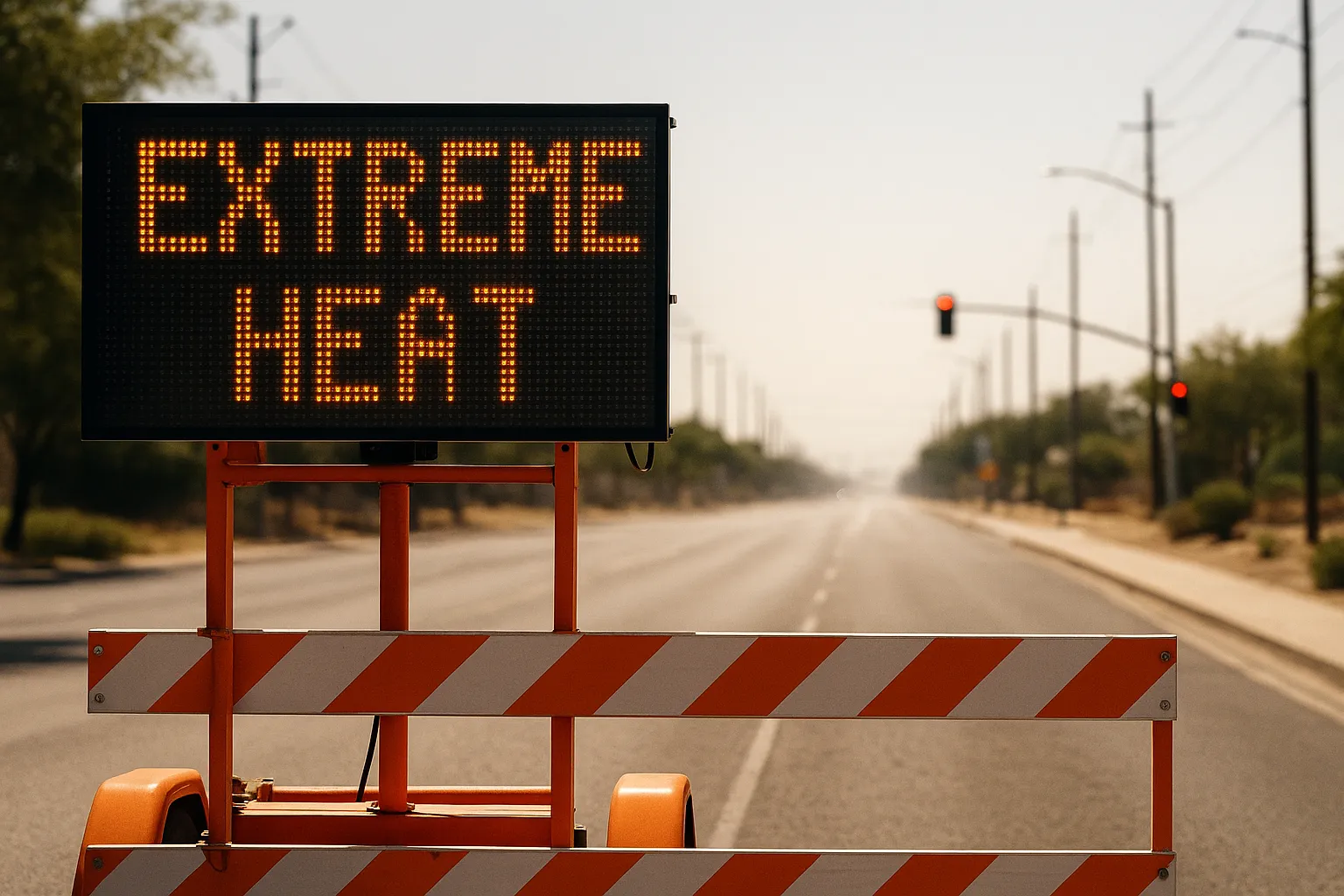
As temperatures soar across the UK, health officials are issuing urgent warnings about the risks posed by extreme heat, emphasising the need for all individuals, including those who are typically healthy, to exercise caution. The focus of these warnings extends beyond traditionally vulnerable groups, as even those in the prime of their lives are at potential risk.
Meteorological predictions indicate that the country will experience a significant heatwave, with temperatures expected to reach unprecedented levels. With heat-related health issues escalating, experts are on high alert, urging everyone to take protective measures.
Health professionals are highlighting that this intense heat can lead to serious health consequences, including heat exhaustion and heatstroke. “Often we are warning about the vulnerable, the elderly, the young, but in this case we’re also warning otherwise healthy people in their prime of life to take very cautious steps,” said a leading health official. This statement underscores a growing recognition that high temperatures can pose life-threatening risks even to active and fit individuals.
During heatwaves, the body may struggle to regulate its temperature, and signs of heat-related illness can escalate rapidly. Symptoms such as dizziness, rapid heartbeat, and confusion may occur, which could potentially lead to more severe health crises. Therefore, those who might feel secure about their health should reconsider their routines during such extreme weather conditions.
Local authorities and health organisations are rolling out public health campaigns aimed at raising awareness of the dangers of heat exposure. These initiatives are providing practical advice to the public on how to stay safe during the heatwave. Recommendations include staying hydrated, finding shade, and limiting strenuous outdoor activities, particularly during peak sunlight hours.
Additionally, communities are being encouraged to look out for each other. This becomes particularly vital in urban areas, where the ‘urban heat island’ effect can exacerbate temperatures. Programs aimed at checking in on neighbours, especially the elderly or those with chronic health conditions, are particularly encouraged.
Public health officials are keen to stress the importance of recognising early warning signs and acting promptly to mitigate risks. They recommend that everyone, regardless of age or physical condition, develop a personal heat safety plan. This plan could include setting up regular reminders to drink water, scheduling outdoor tasks for cooler periods of the day, and being aware of the symptoms of heat exhaustion.
Experts warn that these extreme temperatures are not only a temporary issue but are becoming increasingly common due to climate change. As such phenomena become more frequent, it is crucial for the public to adapt to these new realities. “The increase in temperature extremes is a clear indicator of the ongoing climate crisis that is impacting our health and wellbeing,” another health expert noted.
While the immediate focus is on providing coping strategies for this current heatwave, the long-term implications of climate change must also be addressed. This may involve larger community planning efforts, including the creation of more green spaces and public cooling stations that can help mitigate temperature increases in populated areas.
In response to this summer’s heatwave, schools and local governments are also taking precautionary measures. Many educational institutions have modified their schedules to avoid outdoor activities during the hottest times of the day, while some are considering temporary closures if conditions become too extreme.
The government’s public health campaigns are not just limited to advice for individuals; they also include guidance for businesses and organisations, particularly those involved in outdoor work. Construction companies, for example, are advised to implement flexible working hours to allow for breaks during peak heat. This proactive approach acknowledges the potential impact on workers, who might not otherwise be aware of the hazards posed by heat.
Furthermore, public transport agencies are being urged to ensure that sufficient cooling measures are in place on buses and trains, as many commuters face long journeys in non-air-conditioned environments.
In conclusion, as temperatures rise, it is imperative that the entire population acknowledges the risks associated with heatwaves. Through awareness, education, and community support, individuals can protect themselves and others from the potentially severe effects of extreme heat. The message is clear: everyone must take the heat seriously, as it can have profound implications for health, regardless of a person’s usual fitness level.
As we navigate this challenging weather pattern, it is essential to remain vigilant and proactive in implementing safety measures to safeguard ourselves and our communities during this ongoing heatwave.
Our Thoughts
The article highlights the health risks posed by intense heat, emphasizing the need for caution among all age groups. To avoid heat-related incidents, key actions could include implementing heatwave preparedness plans in workplaces and public areas, as mandated under the Health and Safety at Work Act 1974. Employers should conduct risk assessments to identify how heat stress could affect employees, and establish measures to mitigate these risks, such as providing adequate hydration, establishing cooling areas, and ensuring frequent breaks in shaded or air-conditioned environments.
Key safety lessons include the importance of regular communication about heat risks and promoting personal responsibility among employees to recognize the symptoms of heat stress. Failure to adhere to the Management of Health and Safety at Work Regulations 1999, which requires employers to consider environmental factors, could result in breaches and possible penalties.
To prevent similar incidents in the future, local authorities and organizations should prioritize public awareness campaigns during heatwaves, ensuring that individuals, irrespective of their health status, are informed about how to protect themselves from extreme temperatures.