














Story Highlight
– New law targets youth vaping in Northern Ireland.
– Consultation seeks public input on vaping regulations.
– Sales of vapes to under-18s banned from October.
– Stricter packaging and display guidelines proposed.
– Aim to reduce youth vaping and prevent addiction.
Full Story
Health Minister Mike Nesbitt has issued a call to action for the public in Northern Ireland to engage in a consultation process focused on new regulations surrounding vaping and nicotine products. This initiative is part of the recently enacted Tobacco and Vapes Act (TAVA), which aims to reduce the allure of vaping among minors and address public health concerns regarding its rising use among children and adolescents.
The legislation, which officially came into effect on 29 April 2026, prohibits the sale of all vaping devices and nicotine products to individuals under the age of 18 starting 29 October 2026. The TAVA aims to combat the increasing trend of vaping among young people, a demographic where recent statistics reveal that 15% of those aged 11 to 18 engage in the practice, with a staggering 65% of them using vapes daily.
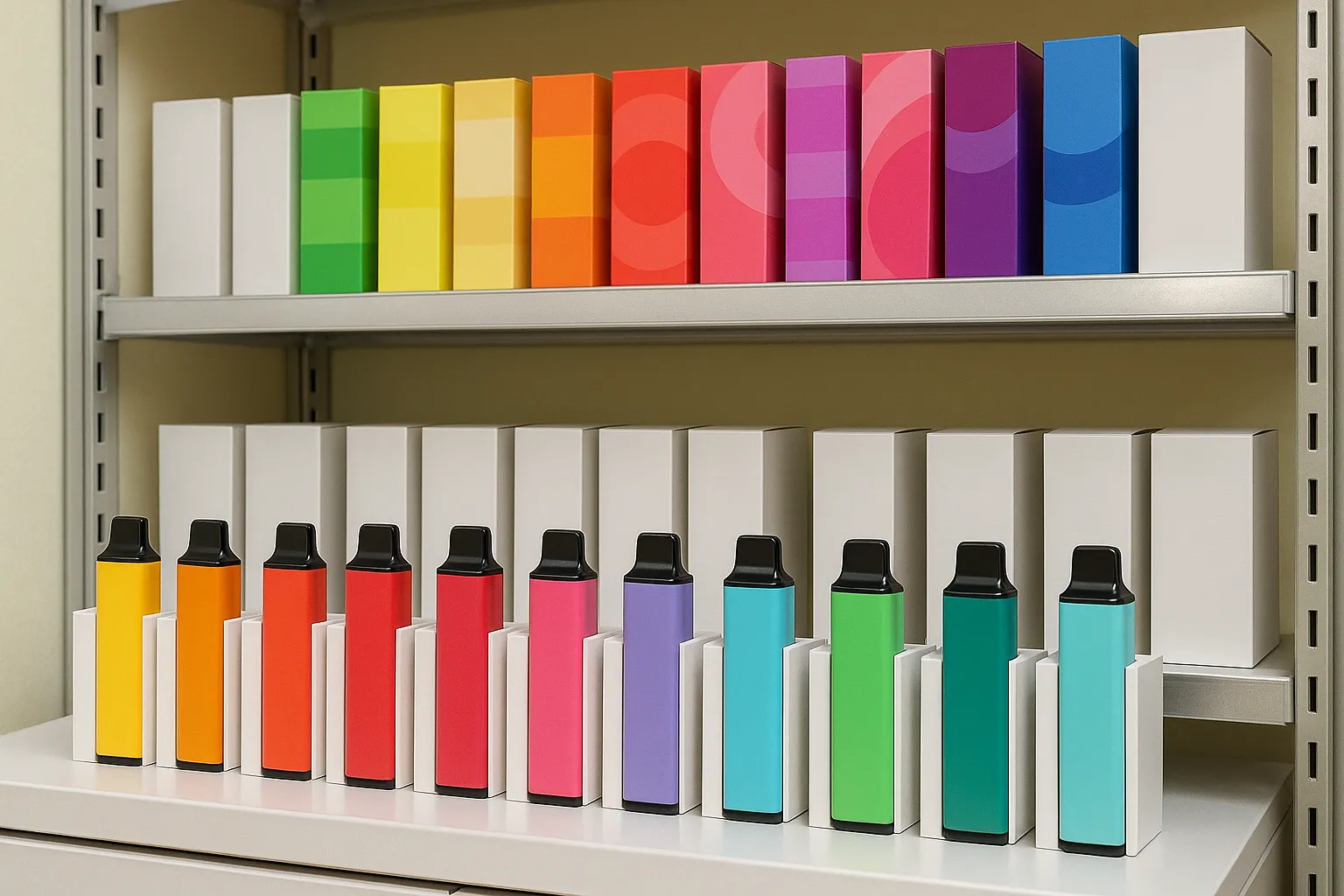
To mitigate this issue, the government is seeking input from the community on various aspects of product regulation, including how these items are packaged, presented, and marketed. Officials are particularly keen to explore the possibility of enforcing plain packaging, limiting the types of flavour descriptions, and ensuring that vaping products are not prominently displayed in retail settings.
Nesbitt described the Tobacco and Vapes Act as “a landmark piece of UK-wide legislation” that is poised to contribute significantly to public health improvements by curbing the dangers associated with nicotine consumption. He highlighted the need for community involvement in shaping the future landscape of vaping products. “It is vital that we get the views from the public on the future of displaying and packaging of these products. I would encourage everyone to take the time to respond to this consultation,” he said.
Public health officials are cognizant of the challenges posed by the marketing of vaping products, often positioned beside sugary treats in shops, which may entice young consumers. By restricting the visibility of these items, it is hoped that their appeal will be diminished, subsequently reducing rates of youth vaping and the potential for long-term addiction.
Parallel to Minister Nesbitt’s statements, Chief Medical Officer Professor Sir Michael McBride has also urged participation in the public consultation. “The display of nicotine products undoubtedly encourages young people to purchase these types of products,” he noted, emphasizing the risks associated with nicotine addiction. Professor McBride warned of the long-lasting impacts of nicotine on children, which can include impaired brain development and the onset of learning and mental health disorders.
While acknowledging that vapes can serve as a beneficial cessation tool for adult smokers, McBride underscored the importance of safeguarding young people from the associated risks. “Vapes can be a useful tool to help adult smokers quit, but they are not risk-free and should never be used by children. We must protect future generations from serious harm,” he said, reiterating the intention behind TAVA in addressing health-related issues exacerbated by vaping.
The consultation will address a number of key proposals aimed at altering how vaping products are perceived and presented. Specific measures being considered include:
1. Implementing plain white packaging, restricting the use of vibrant text colours and images, and ensuring limited branding alongside standardised safety information on products.
2. Restricting the descriptors used for flavours to simple, recognisable terms like “Apple,” while prohibiting names associated with confectionery, sweets, desserts, and alcoholic beverages.
3. Mandating that vape devices themselves adhere to a simplistic colour palette of white, black, or grey, featuring minimal branding and no decorative elements. Screens would be limited to displaying necessary safety information, such as battery levels.
4. Regulating shop displays to mimic current tobacco display restrictions, thereby limiting young people’s exposure to these products.
Upon concluding the public consultation, the Secretary of State for Health will consider the feedback received and roll out regulations pertaining to the packaging and presentation of vaping and nicotine products.
The implications of these regulations could lead to a substantial shift in how vaping is integrated into everyday consumer environments, especially for the younger demographic that remains vulnerable to its allure. With government officials actively soliciting public engagement, the outcome of this consultation may significantly influence future health policy decisions regarding the alignment and regulation of nicotine products in Northern Ireland.
In addition to the proposed changes, the government’s commitment to ensuring that community voices are heard reflects a growing recognition of public involvement in health policy. The anticipated regulations seek to create a safer environment for children and young people, effectively addressing concerns related to nicotine addiction while promoting a healthier society.
For those interested in contributing to this vital discussion, the consultation process is an opportunity to share perspectives on these significant health-related changes. The health department encourages all residents to provide their insights to help shape a healthier future for young people in Northern Ireland.
Our Thoughts
The Tobacco and Vapes Act aims to address the concerning rise of vaping among children and young people, with significant public health implications. Preventative measures could have included earlier enforcement of age restrictions and stricter regulations on product marketing, particularly concerning the visibility and appeal of vaping products in retail environments.
Key safety lessons revolve around the need for comprehensive restrictions on product presentation, emphasizing a proactive rather than reactive approach to public health risks. By ensuring that products are not displayed alongside confectionery and are kept out of sight, retailers could have mitigated the risk of attracting young customers.
Relevant UK health and safety legislation breached includes the failure to protect children under the Health and Safety at Work etc. Act 1974, which mandates a duty of care towards vulnerable populations. Similar incidents could be prevented through stringent adherence to these regulations and ongoing public education campaigns about the risks of vaping. Regular audits and compliance checks in retail spaces could further ensure adherence to these new requirements, thus safeguarding public health.