
















Choose an AI chat
Safety technology from Res Digital
NHS faces unprecedented nursing crisis with 55000 shortages
UK Health and Safety Latest

NHS faces unprecedented nursing crisis with 55000 shortages

by Ellie Cartwright
September 21, 2026
0

The NHS in England faces a critical nursing shortage, with 55,000 vacancies—double prior estimates—leading to an alarming rise in patient...

Read moreDetails
AI beliefs in ghosts and gods unveiled by Google research

AI beliefs in ghosts and gods unveiled by Google research

September 21, 2026
Health officials warn of rising rabies risks in the US

Health officials warn of rising rabies risks in the US

September 21, 2026
Government urged to tackle maternity safety crisis as childbirth injuries soar

Government urged to tackle maternity safety crisis as childbirth injuries soar

September 21, 2026
Wigan hospital faces severe patient wait issues amid safety concerns at local GP

Wigan hospital faces severe patient wait issues amid safety concerns at local GP

September 20, 2026

Archives

  • September 2026
  • August 2026
  • July 2026
  • June 2026
  • May 2026
  • April 2026
  • March 2026
  • February 2026
  • January 2026
  • December 2025
  • November 2025
  • October 2025
  • September 2025
  • July 2025
  • August 2009

Categories

  • Health and Safety Help
  • News
  • Policies
  • UK Health and Safety Latest
  • About
  • Advertise
  • Policies
    • Privacy Policy
    • Editorial Policy
    • Corrections & Complaints policy
  • Useful Documents
    • Understanding RIDDOR
    • 10 Workplace Safety Failures
    • A Complete Guide to Reporting Safety Incidents in the UK
    • Fire Risk Assessment: Meeting the Regulatory Reform (Fire Safety) Order
    • COSHH Basics: A Practical Guide to Control of Substances Hazardous to Health
    • Working at Height in the UK: The Essentials (WAH Regulations 2005)
    • Asbestos in the Workplace: Control of Asbestos Regulations 2012 (CAR) Essentials
    • Managing Contractors Under CDM 2015: Roles, Duties & Controls
    • DSE & Ergonomics: Healthy Workstations for Office & Hybrid Teams
    • Lock out Tag out LOTO
    • Workplace Transport Safety: Forklifts, Pedestrians & Traffic Management
    • Noise & Vibration at Work: Practical Controls (2005 Regulations)
    • Confined Spaces in the UK: Safe Entry under the Confined Spaces Regulations 1997
  • Contact
  • Agent
Tuesday, September 22, 2026
17 °c
London
19 ° Tue
18 ° Wed
16 ° Thu
  • Login
UK Safety News
  • Home
  • News
    • All
    • UK Health and Safety Latest
    NHS faces unprecedented nursing crisis with 55000 shortages

    NHS faces unprecedented nursing crisis with 55000 shortages

    AI beliefs in ghosts and gods unveiled by Google research

    AI beliefs in ghosts and gods unveiled by Google research

    Health officials warn of rising rabies risks in the US

    Health officials warn of rising rabies risks in the US

    Government urged to tackle maternity safety crisis as childbirth injuries soar

    Government urged to tackle maternity safety crisis as childbirth injuries soar

    Wigan hospital faces severe patient wait issues amid safety concerns at local GP

    Wigan hospital faces severe patient wait issues amid safety concerns at local GP

    Traffic scanner vandalism linked to conspiracy theorists in UK

    Traffic scanner vandalism linked to conspiracy theorists in UK

    UK Government urges households to prepare for emergencies and support neighbours

    UK Government urges households to prepare for emergencies and support neighbours

    Navigating cultural quirks between American and British life

    Navigating cultural quirks between American and British life

    Lancashire Women teams up with police commissioner for Festival of Women 2026

    Lancashire Women teams up with police commissioner for Festival of Women 2026

    Tragedy of heatstroke highlights urgent need for athlete safety reforms

    Tragedy of heatstroke highlights urgent need for athlete safety reforms

    Trending Tags

No Result
View All Result
UK Safety News
No Result
View All Result
Home News UK Health and Safety Latest

Calls grow for maximum temperature laws in UK workplaces

Ellie Cartwright by Ellie Cartwright
July 10, 2026
in UK Health and Safety Latest
Reading Time: 4 mins read
0
Calls grow for maximum temperature laws in UK workplaces

Story Highlight

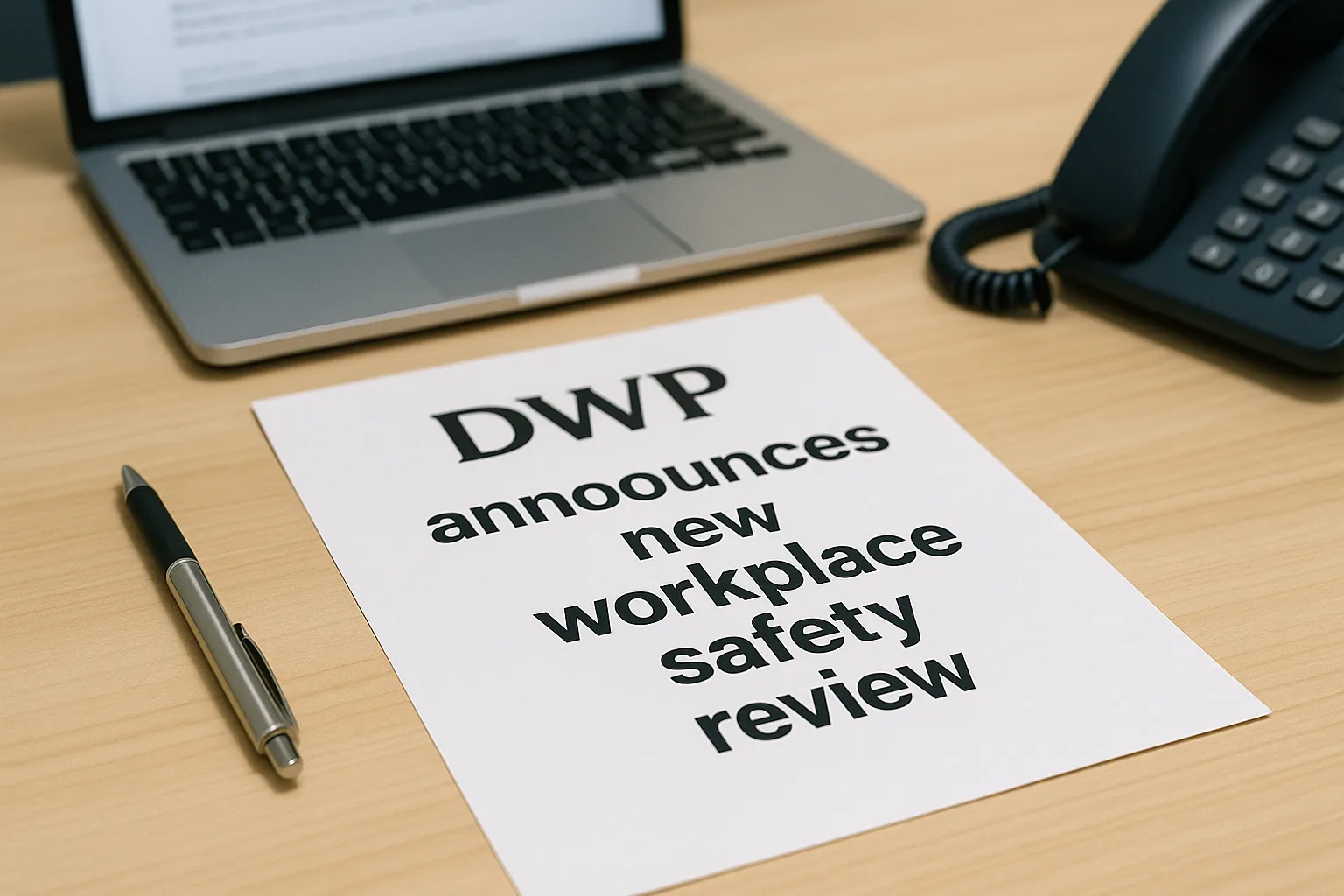
– New DWP review considers workplace temperature regulations.
– Petition for maximum working temperature gains over 21,000 signatures.
– Current UK has minimum but no maximum temperature laws.
– Other countries enforce strict maximum temperature rules.
– Workers share experiences of dangerous heat in workplaces.

Full Story

The Department for Work and Pensions (DWP) has initiated discussions surrounding workplace temperature regulations, amidst escalating public concern regarding employee safety during extreme heat conditions. In a significant move, the department’s officials have indicated that potential new legislation could be on the horizon, aimed at establishing a legal maximum temperature for working environments.

This development follows a surge in public advocacy, led by a petition that has rapidly gathered over 20,000 signatures calling for the introduction of a law to prevent employers from subjecting staff to excessive heat. Currently, the UK enforces legal minimum temperatures to ensure that workplaces maintain certain conditions; however, there is a notable absence of guidelines regarding maximum allowable temperatures.

Sir Stephen Timms, the Minister for the DWP, addressed the issue, stating that the Health and Safety Executive (HSE), which serves as Great Britain’s key regulator for health and safety in workplaces, is reviewing its regulations. He noted, “There is a legal duty for employers to fully assess the risks to workers from extreme heat,” emphasising the need for workplaces to be adequately prepared for the current climate. The HSE has already initiated steps to assist employers in managing heat-related risks, particularly during the ongoing heatwave.

Recently, the HSE put out a press release to draw attention to the health risks associated with high temperatures at work, aiming to provide guidance to employers. Furthermore, plans are underway to launch a public consultation this year to discuss possible amendments to the Approved Code of Practice for the Workplace (Health, Safety and Welfare) Regulations 1992, which encompasses temperature regulations in workplaces.

The urgency surrounding this issue has been amplified by a call from significant trade unions across Europe advocating for a right to cease working when temperatures exceed 30°C. The medical community has also expressed similar concerns, supporting a legal maximum temperature particularly for those in critical sectors like the NHS.

Among the key voices in this campaign is Kerry Cooper from Shrewsbury, the individual who launched the Change.org petition titled “Pass a law for safe working temperatures.” Drawing from personal challenges, Cooper highlighted her struggle during recent hot spells, exacerbated by existing health conditions that hinder her ability to cope in excessively warm environments. She reported that her own workplace response to the heat has been inadequate, consisting merely of a couple of pedestal fans that do little to alleviate the situation.

The petition has seen a formidable rise in support, with signatures surpassing 21,000 within just a day, a stark contrast to a similar initiative on the UK Parliament’s official petition site, which has amassed only about 6,500 signatures since its inception in December.

The absence of a maximum working temperature is particularly evident when comparing the UK’s regulations to those in other countries. For instance, Spain has implemented strict rules capping indoor temperatures at 27°C for office work and 25°C for physically demanding roles, highlighting a proactive approach to worker safety during extreme weather conditions.

As support for Cooper’s initiative grows, numerous individuals have shared their distressing experiences regarding working conditions in the heat. One factory worker recounted operating machinery at a scorching 195°C without proper ventilation or cooling equipment, struggling to stay hydrated with limited access to drinking water. This sentiment was echoed by others who described environments likened to “greenhouses,” where inadequate facilities exacerbate their discomfort and affect their performance.

In a related wave of testimonies, workers across various sectors have voiced their frustrations and health concerns as a result of excessive working temperatures. Reports have surfaced from individuals employed in care homes, factories, and fieldwork, highlighting the strains placed upon both staff and those they serve.

From comments shared publicly, the narrative showcases the severity of the situation. Workers describe feeling lightheaded, nauseous, and increasingly unproductive due to the oppressive heat. One care home employee pointed out the impact of high temperatures on both staff and patients, stressing that those with pre-existing health conditions are particularly vulnerable. Another factory worker described a seemingly abandoned workplace culture where concerns are met with little more than encouragement to “drink warm water,” an approach that is viewed as insufficient.

This collective push for legislative change encapsulates a broader recognition of worker rights in the context of health and safety. The forthcoming consultation by the HSE promises to open dialogue on these vital issues, potentially paving the way for regulatory adjustments that could redefine workplace safety standards across the UK.

As the UK continues to experience extreme weather conditions, the importance of establishing a legal maximum working temperature becomes increasingly apparent. The voices of workers and the initiatives they undertake signal a critical moment in the ongoing conversation surrounding health and safety in the workplace, one that may lead to meaningful changes in the not-too-distant future.

Our Thoughts

To avoid the issues highlighted in the article, a proactive approach to workplace temperature management is essential. Under the Health and Safety at Work Act 1974, employers have a duty to ensure the health, safety, and welfare of their employees, which includes conducting risk assessments related to extreme heat. If proper assessments had been made and the dangers of high temperatures addressed, employees may have avoided health risks associated with excessive heat.

Key safety lessons include the necessity for employers to implement control measures, such as effective ventilation, hydration facilities, and adjusted work practices during heatwaves. The lack of a legal maximum temperature is a gap that needs addressing; legislation comparable to that in other countries could protect workers better.

Relevant breaches include potential non-compliance with the Workplace (Health, Safety and Welfare) Regulations 1992, which require a suitable environment for workers. To prevent similar incidents, introducing clear guidelines for maximum working temperatures and mandatory cooling measures during hot weather would enhance occupational safety in the UK. A comprehensive awareness campaign could further educate employers about their obligations and effective heat management strategies.


Tags: Health and SafetyHSEWorkplace Safety
SummarizeShare35Share198SendSend
Safety technology from Res Digital
Ellie Cartwright

Ellie Cartwright

Ellie Cartwright is a health and safety journalist with a background in occupational health and public health reporting. She covers UK workplace safety legislation, HSE enforcement actions, and emerging health risks in the workplace. Ellie holds a degree in Public Health and has reported on safety issues across the construction, healthcare, and manufacturing sectors.

Related Posts

Outbreak of cyclosporiasis reveals gaps in US food safety system

Outbreak of cyclosporiasis reveals gaps in US food safety system

by Ellie Cartwright
July 28, 2026
0

An alarming outbreak of cyclosporiasis in the United States has seen over 11,000 reported cases, with Michigan bearing the brunt...

Health chiefs warn of pancreatitis risk linked to popular fat jabs

Health chiefs warn of pancreatitis risk linked to popular fat jabs

by Jade Anderson
January 29, 2026
0

British health authorities have issued a warning regarding the potential risks linked to GLP-1 weight loss injections, including well-known brands...

Useful Documents

  • Understanding RIDDOR
  • 10 Workplace Safety Failures
  • A Complete Guide to Reporting Safety Incidents in the UK
  • Understanding RIDDOR
  • Fire Risk Assessment: Meeting the Regulatory Reform (Fire Safety) Order
  • COSHH Basics: A Practical Guide to Control of Substances Hazardous to Health
  • Working at Height in the UK: The Essentials (WAH Regulations 2005)
  • Lock out Tag out LOTO

Recent Posts

  • NHS faces unprecedented nursing crisis with 55000 shortages
  • AI beliefs in ghosts and gods unveiled by Google research
  • Health officials warn of rising rabies risks in the US
  • Government urged to tackle maternity safety crisis as childbirth injuries soar
  • Wigan hospital faces severe patient wait issues amid safety concerns at local GP

Recent Comments

  1. Lendy Araujo on Oil spill at Piper Bravo deemed potentially catastrophic by safety regulator
  2. Piper Douglas on Worker dies due to inadequate machinery safety measures
  3. Simon Barrett on Honeymoon ruined by illness as newlywed suffers severe infection in Cape Verde
  4. Nolan Barrett on Work-related ill health in Great Britain remains a concern after pandemic peak
  5. Dylan Reeves on Sickness rates among Scottish police officers soar to troubling levels
UK Safety News

Copyright © 2026
UK Safety News

Navigate Site

  • About
  • Advertise
  • Policies
  • Useful Documents
  • Contact
  • Agent

Follow Us

Welcome Back!

Login to your account below

Forgotten Password?

Retrieve your password

Please enter your username or email address to reset your password.

Log In
No Result
View All Result
  • Home
  • News

Copyright © 2026
UK Safety News

This website uses cookies. By continuing to use this website you are giving consent to cookies being used. Visit our Privacy and Cookie Policy.