
















Story Highlight
– Air fryers introduced but withdrawn over safety concerns.
– Intended as rewards for good behavior and cleanliness.
– Review revealed lack of incentives for prisoner motivation.
– Positive overall inspection but issues with well-being noted.
– Drug use and violence remain ongoing challenges.
Full Story
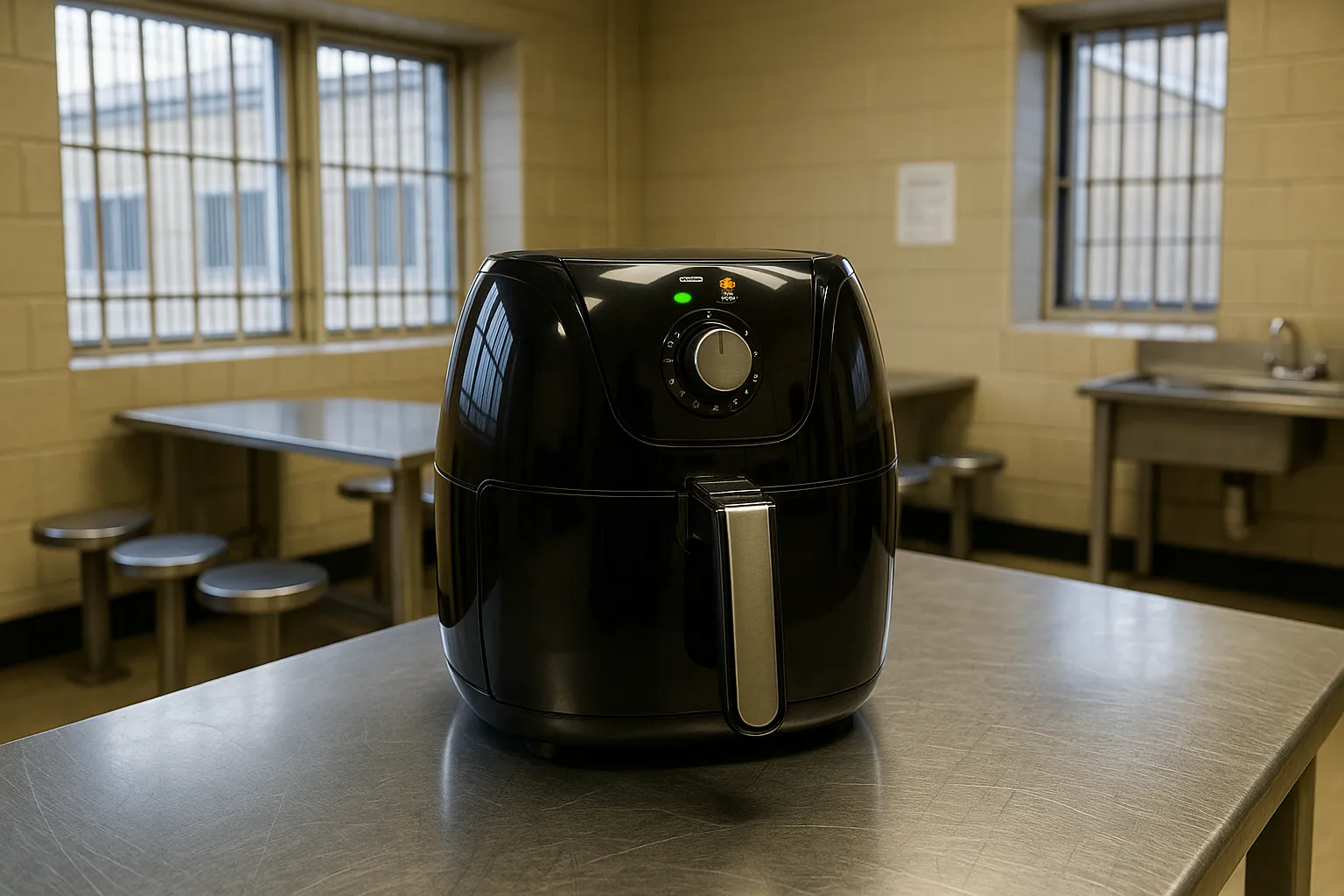
In a recent development, air fryers provided to inmates at HMP Northumberland as part of a behaviour incentive scheme have been withdrawn due to health and safety concerns. The facility, which houses over 1,200 male prisoners, initiated the use of these cooking appliances on standard residential wings to promote cleanliness and encourage better behaviour among the inmates.
According to a recent inspection report, the introduction of air fryers was intended as a straightforward incentive in a correctional environment where meaningful rewards are notably scarce. The devices were introduced for a brief period, rewarding prisoners for maintaining cleanliness within their units. However, a swift removal occurred after staff raised alarms about potential safety risks and hygiene challenges associated with the appliances.
HMP Northumberland has confirmed that the air fryers have been taken out of circulation. The prison management will now conduct a review aimed at enhancing food safety protocols in self-cook areas and developing a new cleaning regiment along with an assurance framework. This decision reflects a broader effort to respond to the concerns outlined by His Majesty’s Inspectorate of Prisons in their recent findings.
The Inspectorate’s report highlighted a significant deficiency in the incentives framework at HMP Northumberland, suggesting a lack of sufficient measures to motivate inmates towards positive behaviour or assist them in experiencing a sense of progression during their rehabilitation. During interviews, many prisoners conveyed a sense of apathy towards achieving enhanced status, indicating that the additional privileges offered in certain wings were minimal and unappealing.
While the report did identify areas needing improvement, it also expressed generally positive feedback regarding the prison. Evaluation across four fundamental prison tests—safety, respect, purposeful activity, and preparation for release—rated HMP Northumberland as “reasonably good.” Specific commendations were extended toward the prison’s educational offerings and workshops, with Ofsted awarding high marks across all educational categories.
Nevertheless, the report did not shy away from addressing serious issues regarding prisoner welfare. It described support for self-harm as inadequate, highlighting failures in case management that detrimentally impacted inmates’ well-being. Additionally, the ongoing presence of drug use within the facility has been identified as a contributing factor to violence, with recorded assaults having increased by more than 80% since the last inspection, despite HMP Northumberland experiencing lower violence rates compared to similar institutions.
Concerns regarding public protection monitoring were also raised, with findings suggesting that current practices around the monitoring of communication methods—including phone calls and mail—are not sufficiently robust.
In light of the findings, a spokesperson for HMP Northumberland stated, “We welcome the Chief Inspector’s review of our progress and take on board fully his feedback and recommendations for improvement.” This acknowledgment of the need for reform illustrates the facility’s commitment to addressing highlighted weaknesses and enhancing conditions for both inmates and staff.
As the prison prepares to implement the forthcoming changes, the temporary trial of air fryers has sparked discussions about the efficacy of incentives within the penal system. The withdrawal of these appliances points to the complexities of balancing rehabilitation desires with safety and hygiene standards.
There remains a critical need for a comprehensive strategy that integrates both motivational incentives to encourage good behaviour and the overarching requirement for a safe environment. Local community and advocacy groups have called for further engagement in addressing these issues, emphasizing the importance of equipping inmates with skills and opportunities that facilitate successful reintegration into society upon release.
As HMP Northumberland continues to navigate the path forward, the implementation of a more effective incentives framework, alongside robust safety measures, will be crucial. The outcomes of these efforts will significantly impact not only the current inmate population but also the broader community, which bears a stake in the effective rehabilitation of prisoners.
The future direction for HMP Northumberland, especially in light of the recent inspection findings, will undoubtedly be watched closely by stakeholders in the criminal justice system and those advocating for incarcerated individuals. Balancing care, safety, and rehabilitation remains an ongoing challenge, but it is one that authorities are obliged to address with urgency and diligence.
Our Thoughts
HMP Northumberland’s introduction of air fryers as rewards for good behavior raises significant health and safety considerations. The rapid withdrawal of these appliances highlights a lack of adequate risk assessment and planning, particularly concerning hygiene and the potential for misuse. To prevent such incidents, a thorough risk assessment should have been conducted prior to implementation, in line with the Management of Health and Safety at Work Regulations 1999, which requires employers to assess and manage risks effectively.
Moreover, the prison should have established clear guidelines for the safe use and cleaning of the air fryers, ensuring compliance with the Food Safety and Hygiene Regulations 2013. Staff training on monitoring and maintaining hygiene standards in communal areas could also have strengthened safety protocols.
Key safety lessons include the importance of engaging staff in safety discussions before introducing new initiatives, and ensuring that any rewards do not compromise the health and safety of both prisoners and staff. Implementing a robust feedback mechanism could allow for real-time monitoring and adjustments, thereby minimizing risks associated with new programs in correctional facilities.