















Story Highlight
– Young Afghan refugees face stress and PTSD after trauma.
– Abdullah recalls losing family members to violence in Afghanistan.
– Unaccompanied minors struggle with physical and mental health issues.
– Social connections and support services aid emotional recovery.
– Many now feel less lonely after family reunifications.
Full Story
Abdullah*, a young refugee from Afghanistan, has experienced trauma that continues to haunt him in the UK. The death of his uncle, murdered amidst the violence in Afghanistan, lingers in his mind. “That gives me more stress. Sometimes when I go to sleep, it’s in my brain,” he explains during a session with Dr. Rebecca Lane, a clinical psychologist leading a recent study that investigates the mental health challenges faced by unaccompanied Afghan minors who fled the Taliban.
Dr. Lane’s research highlights the extensive emotional baggage carried by young Afghan refugees, many of whom have arrived in the UK alone, often under harrowing circumstances. Abdullah reflects on his painful memories: “Since I came here, I lost a lot of people… like my cousins, they died there. So these things give you a lot of stress, I am not able to see them.”
The study, which involved interviews with 12 unaccompanied refugee minors (URM) aged between 14 and 21 at the time of their arrival, sheds light on the silent agony endured by these youths. Now in their early to mid-20s, these participants have resided in the UK for varying periods—from two to eleven years—and have experienced life-threatening situations as well as displacement from their families.
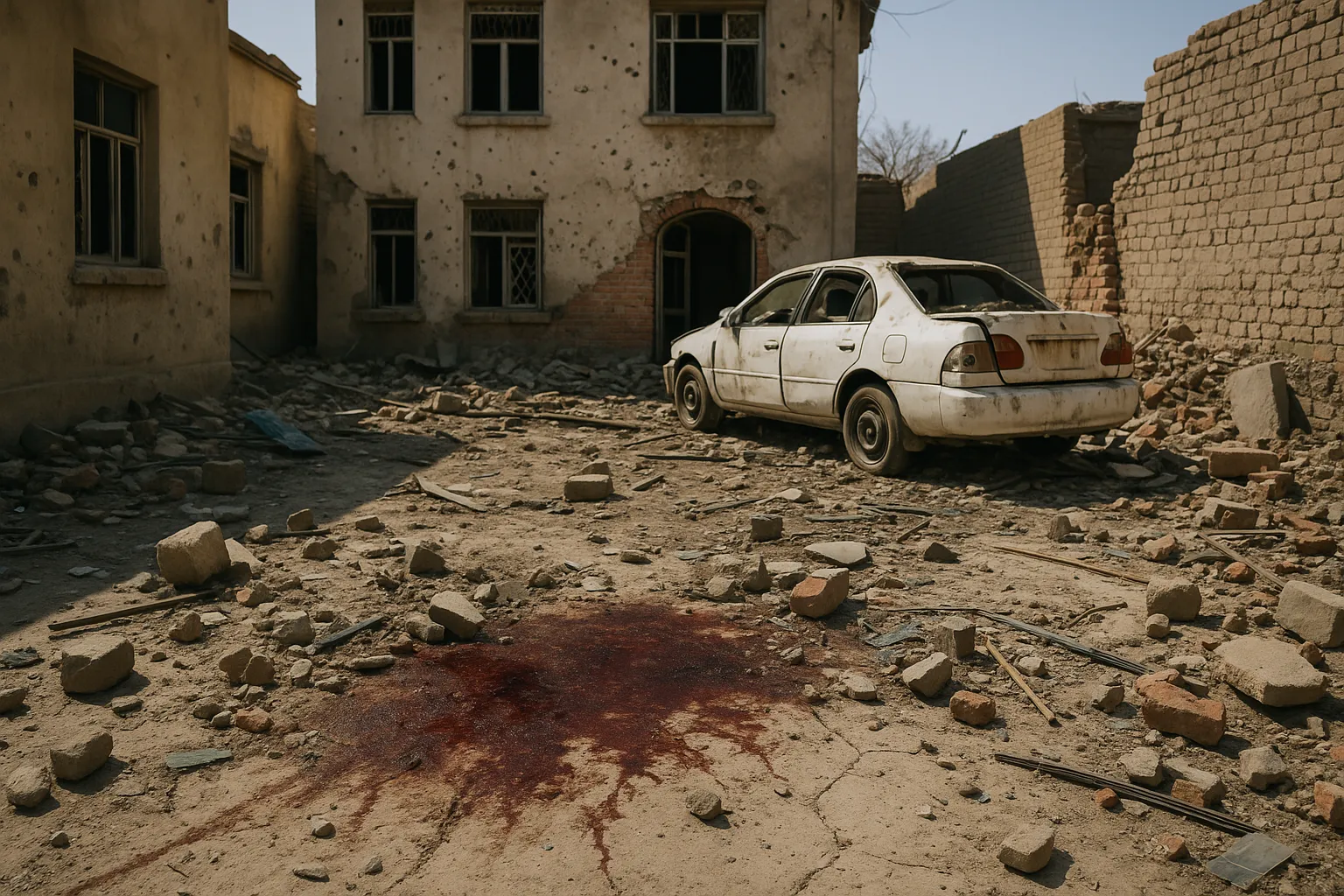
The backdrop to these individual stories is stark. In August 2021, as the Taliban seized control of Afghanistan, scenes at the Kabul airport illustrated the desperation of families trying to escape. Amid chaos, mothers were seen frantically attempting to hand their children over barbed wire. A Parachute Regiment officer described the turmoil, stating, “By the end of the night there wasn’t one man among us who was not crying.”
Experts observing the plight of Afghan refugees note an alarming prevalence of Post-Traumatic Stress Disorder (PTSD) and depression among unaccompanied minors, who face unique challenges compared to those who arrived with family. “Unaccompanied child refugees have lost family, safety, and a sense of home, and many have been exposed to traumatic events on their journey,” Dr. Kenny Chiu, a clinical lecturer at the University of East Anglia’s Norwich Medical School, remarked.
The researchers discovered that many of these young refugees encountered a complex interplay of mental and physical health challenges. “Difficulties were often present in a triad of physical or psychosomatic pain, mental health difficulties, and relational challenges,” Dr. Chiu noted. “For example, mental and physical pain often occurred together. Physical pain would stop people from leaving the house, exercising, or spending time with friends—thus exacerbating their mental health and feelings of isolation.”
Dr. Lane added that feelings of loneliness and barriers in forming social connections profoundly affect their lives. Many of these youths exist in a state of hyper-vigilance, struggling to initiate friendships and find community. The cultural stigma surrounding emotional expression in Afghan society—particularly for boys and men—further complicates their mental health, leading to difficulties in seeking help.
The impact of this emotional “shutdown” has been significant, often persisting even after these young refugees settled into life in the UK. As Dr. Lane pointed out, the predominant coping mechanisms tend to revolve around distraction and avoidance. Many of the boys turned to activities like cricket and prayer in a bid to alleviate their anxiety. One participant shared, “If I’m at home doing nothing, then I just call my friends, we go out to the park and play some sports, like cricket.” For many, cricket is a connection to their childhood in Afghanistan, standing as a reminder of the life they left behind.
However, not all coping strategies are positive. Some refugees have turned to alcohol or medications to dull their pain, and a small segment resorted to self-harm. Yet, Dr. Lane emphasized the progress many have made in their mental health journeys. “Maybe a third or up to 50 per cent of the young people I spoke to were in a wildly different place when they spoke to me than when they entered the UK. That transformation was because of social connection and it was because of support services,” she noted.
Many participants disclosed that their lives today are markedly different from when they first arrived in the UK. Several have been reunited with family members, alleviating feelings of isolation. “They were feeling very lonely before, but they were reunited with their family now and now things were less difficult so I do think that there are lots of glimmers of hope,” Dr. Lane reflected.
Abdullah’s experiences are emblematic of the broader, painful narrative that many young Afghan refugees must navigate as they attempt to build new lives in an unfamiliar land. With each tragedy and loss, the weight of the past bears heavy upon them, manifesting as a struggle for identity and belonging in their new environment.
Support services have become crucial in aiding these refugees, not just in managing their trauma but also in fostering connections that enable a semblance of normality to return to their lives.
If you or someone you know is grappling with emotional distress, support is available. In the UK and Ireland, the Samaritans can be reached at 116 123 or via email at jo@samaritans.org. In the USA, the 988 Lifeline is at your disposal for immediate assistance. For those elsewhere, the Befrienders organisation provides details for local helplines.
*Abdullah’s name has been altered to safeguard his identity.
Our Thoughts
The article underscores significant mental health challenges faced by unaccompanied Afghan refugees, highlighting the urgency for improved support systems. To prevent such distressing situations, UK health and safety legislation, particularly the Health and Safety at Work Act 1974, mandates protecting the mental well-being of vulnerable groups.
A proactive approach could have involved structured programs for mental health support upon arrival, guided by frameworks like the Care Act 2014, which emphasizes well-being and risk assessment. Regular mental health screenings and access to culturally sensitive psychological services could have identified issues early, potentially mitigating the development of PTSD and chronic pain conditions.
Furthermore, the lack of community support, leading to social isolation, suggests a breach of the Safety of Persons Act, which emphasizes the need for organizations to safeguard the emotional and social health of refugees.
Developing comprehensive integration initiatives, including peer support networks and culturally appropriate recreational activities, would address feelings of loneliness and facilitate connections within the community. Learning from these experiences can enhance future strategies to support similar vulnerable populations, ensuring a safer and more inclusive environment.