









Story Highlight
– 127 products recalled in UK due to asbestos concerns.
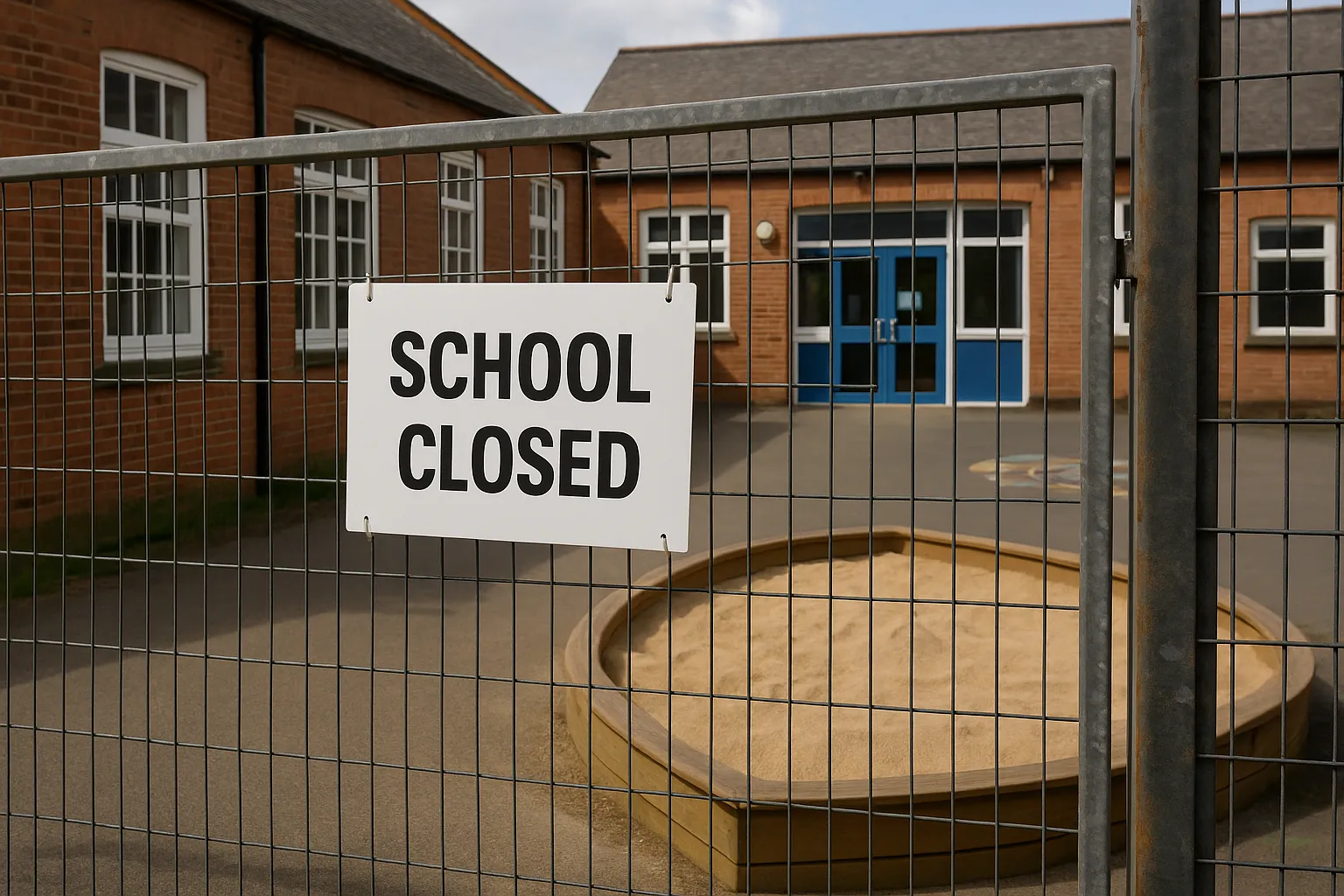
– Schools shut down over play sand safety fears.
– Asbestos identified as potential cancer risk in items.
– Consumers advised to check product recall list.
– Authorities taking action to ensure public safety.
Full Story
**Recall of 127 Products in UK Due to Asbestos Concerns: Schools Closures Prompted by Play Sand Safety Fears**
A significant safety alert has been issued in the UK, with a total of 127 products recalled due to the presence of asbestos, a substance linked to serious health risks, including cancer. This announcement comes amid increasing worries about the safety of play sand used in schools and children’s playgrounds.
The recall affects a wide range of goods, including construction materials and children’s play items, with suppliers urged to take immediate action to mitigate potential health risks. The UK Health and Safety Executive (HSE) has confirmed that some products may contain traces of asbestos, raising alarms among parents and educators regarding the safety of play environments.
Among the products identified, several were found in educational settings, leading to immediate school closures in some areas. Authorities have warned that prolonged exposure to asbestos can lead to serious health complications, including mesothelioma and lung cancer, urging citizens to comply with the recall notices and dispose of affected items properly.
Educational institutions across the country are reassessing their resources, with a particular focus on play areas that may be compromised. Several schools have reported suspending classes to conduct thorough investigations and remove any contaminated materials from their premises. For many parents, the news has ignited fears about the safety of their children in environments that should be secure.
In light of the situation, the HSE has stressed the importance of awareness regarding the potential dangers of asbestos. “Although the use of asbestos in new products has been banned for many years, it still can be found in imported goods or older items that have not been adequately inspected,” said a spokesperson from the HSE. “We are working closely with manufacturers and retailers to ensure compliance with safety standards,” they added.
As part of their ongoing investigations, local councils are assessing the extent of the issue. They are urging schools to conduct their own audits of materials used in playgrounds and play areas. Many councils are also providing guidelines on proper reporting and disposal practices to ensure that public safety is not compromised.
Experts in public health have weighed in on the issue, highlighting the imperative for rigorous safety checks on products that come into contact with children. Dr. Angela Simmons, a health and safety expert, stated, “It’s crucial for parents and schools to remain vigilant and proactive. Any products suspected of containing asbestos should be reported immediately. We must prioritise our children’s safety, especially in places they frequent.”
The extensive list of recalled products has raised concerns not only among parents but also among educators and healthcare professionals who are closely monitoring the situation. Schools that have temporarily closed are facing disruptions, yet administrators are prioritising the well-being of students above all else.
In addition to concerns regarding play equipment and materials, recent discoveries of contaminated products contribute to a growing public discourse about regulation, import practices, and consumer protection. Advocacy groups are calling for stricter controls and more comprehensive testing of goods entering the UK market, particularly those intended for children.
Local business owners, particularly those in the retail sector, are also feeling the impact of the recall. Many are revisiting their stocks and are taking precautionary measures to ensure none of the recalled items remain on their shelves. “It’s a worrying time for many retailers, as the safety of our products is our priority. We appreciate the quick actions taken by authorities to protect consumers,” stated Mark Connors, a local shop owner.
The urgency of the situation has brought to light the need for ongoing education about asbestos and its risks, particularly in community settings where children play and learn. Workshops and information sessions are being organised by various health organisations to better inform parents and educators about the signs and potential dangers of asbestos exposure.
In summary, the recall of these 127 products due to asbestos concerns has significant implications for schools and homes across the UK. Authorities are working diligently to address the issue and ensure that children are protected in their play environments. As investigations continue, the focus remains on public health and safety, with proactive measures being taken to mitigate risks associated with potentially harmful materials. The commitment to preventing any trace of asbestos in products intended for children is now more critical than ever.
Our Thoughts
The article highlights a recall of 127 products in the UK due to contamination with asbestos, a known carcinogen, leading to school closures over safety concerns regarding play sand. To prevent such incidents, thorough assessments of materials used in products, particularly those intended for children or educational environments, should have been conducted at every stage of the supply chain.
Key safety lessons include the importance of rigorous testing and compliance with the Control of Asbestos Regulations 2012, which require proper management of asbestos-containing materials. Manufacturers should ensure that they meet all relevant safety standards and regulations, including the General Product Safety Regulations 2005, which mandate that products must not pose a risk to health and safety.
To mitigate similar future occurrences, enforcement of stricter checks on imported materials and increased education on identifying hazardous materials for both manufacturers and consumers could be beneficial. Regular audits and risk assessments within schools and other institutions utilizing potentially hazardous materials are essential to ensure the safety of all stakeholders. Ultimately, compliance with existing regulations and a proactive approach to health and safety can help avert such public health crises.