















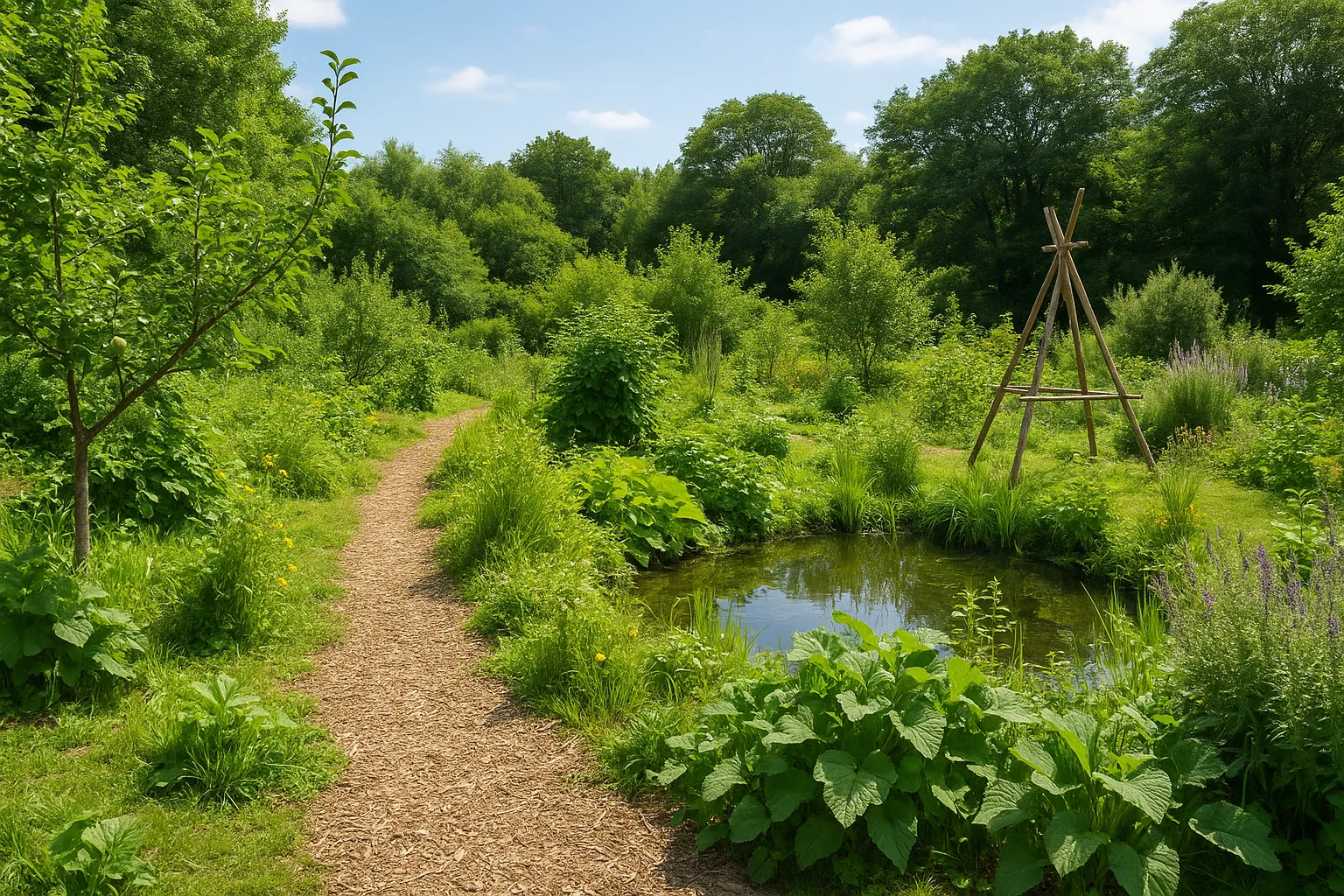
Story Highlight
– Forest Food Garden is a finalist for PIEoneer Awards.
– Awards recognize sustainability in global education sector.
– Garden supports Sussex 2035 Strategy for sustainability.
– Initiative transformed land, supporting 100+ species’ habitat.
– Modules integrate climate justice into university curriculum.
Full Story
The University of Sussex has been recognised as a finalist for the Sustainability International Impact Award at the upcoming PIEoneer Awards 2026, a significant accolade within the global educational sector that highlights organisations embodying sustainable practices in their operations. This recognition underscores the dedication of Sussex to advancing environmental standards and practices.
The PIEoneer Awards, now in their tenth edition, are often referred to as the “Oscars of international education” due to their prestigious status. They acknowledge innovative achievements and outstanding contributions across a wide array of educational institutions on a global scale. The selection process is rigorous, with nominees emerging from an expansive pool of international candidates, highlighting the exceptional nature of Sussex’s recognition.
At the heart of Sussex University’s commitment to sustainability is its Sussex 2035 Strategy, which aspires to make the institution one of the leading sustainable universities worldwide. An integral aspect of this initiative is the Forest Food Garden, which operates as a dynamic living laboratory. This space serves not only as a site for ecological education but also as a practical application of high-level sustainability policies aimed at enhancing the university’s campus.
The broader university community has played a vital role in this achievement, demonstrating a collective commitment to sustainability. A variety of staff members from departments including Human Resources, Health and Safety, and Global Engagement have dedicated their time to the garden’s ongoing development and upkeep. These volunteer efforts have facilitated the integration of practices that support biodiversity into the university’s standard operations, fostering a culture of environmental stewardship.
The Forest Food Garden is unique in its design, mirroring the complexity of a natural forest ecosystem. This pioneering initiative combines biodiversity restoration efforts with comprehensive interdisciplinary educational opportunities, positioning itself as a first-of-its-kind model in the UK. Notably, in 2025, the garden reached several key milestones. It successfully restored a previously degraded area into a thriving habitat supporting over 100 different species. Key developments included the creation of a nuttery, the collaborative design of a wildlife pond, and a partnership with the University of San Diego, bolstered by the support of the US-UK Fulbright Commission. This partnership aims to connect local ecological actions with a broader framework of sustainability education on an international scale.
Transitioning garden-based modules into the established Bachelor of Arts in Climate Justice, Sustainability and Development, as well as incorporating them into the Undergraduate Summer School offerings, illustrates Sussex’s commitment to intertwining its physical landscape with its educational mission. The university aims to leverage this integration as a means to actively engage in the global dialogue surrounding climate justice.
The recognition at the PIEoneer Awards serves as a milestone for Sussex as it aligns with other leading institutions globally, marking a decade of continual evolution and positive impact within the educational sector. The anticipation surrounding the awards ceremony in September highlights a collective aspiration to celebrate not just individual achievements but also the university’s unwavering commitment to a sustainable, greener future.
In an era where sustainability has transcended the boundaries of environmental responsibility to become a core concern for academic institutions, Sussex University’s efforts are particularly noteworthy. The work being carried out at the Forest Food Garden exemplifies the integration of sustainability into the very fabric of university life, promoting a model that encompasses educational innovation and ecological mindfulness.
Furthermore, this recognition underscores the importance of community engagement in driving sustainability efforts. As various staff members collaborate and contribute their expertise to the garden’s enhancement, they deepen their commitment to environmental stewardship and create a vibrant educational resource for students and faculty alike. Such involvement not only enriches the educational experience but also cultivates a sense of ownership and responsibility towards environmental issues within the university community.
As we approach the awards ceremony, this achievement serves as a reminder of the collective potential harnessed when educational institutions prioritise sustainability. Sussex University stands poised to not only celebrate its accomplishments but also to inspire others within the sector to follow suit in their sustainability journeys. The commitment to harnessing educational resources for global benefit reinforces the critical role universities play in fostering not only knowledge but also solutions for pressing global challenges such as climate change.
In conclusion, the Forest Food Garden at the University of Sussex represents a significant advancement in sustainability practices within higher education. Its recognition as a finalist at the PIEoneer Awards highlights the institution’s dedication not only to innovation and education but also to fostering a sustainable future for all. As the university stands on the brink of this prestigious recognition, it does so with pride, anticipating further contributions to global sustainability efforts in the years to come.
Our Thoughts
The article does not indicate any incidents or safety breaches that occurred at the Forest Food Garden. As such, there are no specific actions noted that could have been taken to prevent an incident, nor are there explicit safety lessons to be gleaned. Additionally, there are no relevant regulations mentioned that have been breached. To maintain safety in similar educational projects, it is essential to ensure proper risk assessments are conducted, safety training provided for all participants, and adherence to UK Health and Safety Regulations such as the Health and Safety at Work Act 1974. This proactive approach can prevent potential hazards in educational and community engagement activities related to sustainability and environmental stewardship.