
















Story Highlight
– Winter increases risks of carbon monoxide poisoning at home.
– Black mould can cause respiratory and skin health issues.
– Central heating may lead to dry skin and throat irritation.
– Log burners emit harmful smoke affecting respiratory health.
– Electric blankets pose burn risks if misused or old.
Full Story
As the winter season approaches, many people seek to embrace the comforting warmth of their homes, turning to heaters, electric blankets, and cozy fireside moments to ward off the chill. However, amid these efforts to create a comfortable atmosphere, potential hazards can lurk within and pose serious risks to health and safety.
One of the most concerning risks during the colder months is carbon monoxide poisoning, often referred to as a “silent killer” due to its colourless, odourless nature. Faulty appliances that burn fuel, including gas stoves, boilers, and even indoor barbecues, can leak this toxic gas when not maintained properly. An alarming statistic from the Office for National Statistics (ONS) indicates that there were 28 accidental deaths attributed to carbon monoxide poisoning in England and Wales in 2023, with an estimated 200 individuals requiring hospital treatment for non-fatal incidences annually, according to data from the Welsh Government.
Health professionals, such as Dr Suzanne Wylie, a general practitioner and medical advisor for IQdoctor, emphasise the importance of recognising early symptoms of carbon monoxide exposure, which may mirror flu-like conditions but without a fever. Dr Chun Tang, also a GP, advises individuals to be particularly vigilant if more than one occupant develops these symptoms. “Seek immediate medical attention if you experience sudden confusion, extreme sleepiness, or chest pains, especially if there’s a suspicion of a gas leak or faulty heating,” he recommends.
In the event of suspected carbon monoxide poisoning, Brenig Moore, a health and safety expert from Astutis, urges individuals to call emergency services promptly from a place of safety. “It’s better to be checked out than to ignore potentially deadly symptoms,” he advises.
Beyond carbon monoxide, maintaining a warm home can also precipitate other health issues. Sharon Balachandra, a pharmacist at Roseway Labs, highlights the significance of a properly heated space to deter dampness and cold-related illnesses. Nonetheless, she cautions that poorly maintained heating systems, along with dry indoor air, can inadvertently lead to discomfort. “Air that is too dry can lead to respiratory issues, allergies, and skin irritations,” she notes.
Black mould is another winter hazard that often arises due to condensation in poorly ventilated homes. This type of mould thrives in the damp conditions that can develop from the combination of cold outdoor temperatures and insufficient air circulation. “Exposure to black mould can trigger a variety of health issues, particularly for those with respiratory conditions or weakened immune systems,” warns Dr Wylie.
The symptoms of black mould exposure can range from coughing and sneezing to more severe reactions such as breathing difficulties and skin irritation. Dr Tang advises vigilance: “If you notice your symptoms improve when you leave your home, mould may be the source of your difficulties. Persistent coughing or unexplained skin issues warrant a discussion with your GP.”
To combat mould, Balachandra suggests implementing proper ventilation strategies and maintaining the overall warmth and dryness of the home. Regularly opening windows and using extractor fans during activities that generate moisture, such as cooking or bathing, can significantly reduce the risk of mould formation.
While central heating systems are essential for comfort, they can also exacerbate dryness in the air, leading to irritation of the skin, eyes, and throat. Dr Wylie explains that this dryness can result in various symptoms, including minor nosebleeds and worsened asthma conditions. Maintaining heating systems and ensuring they are free of dust and allergens is crucial to mitigate these health risks.
Expert recommendations include the use of humidifiers or placing bowls of water near heating units to maintain adequate humidity levels, ideally between 40 and 60 percent. This adjustment can help alleviate the discomfort caused by increased dryness during the winter months.
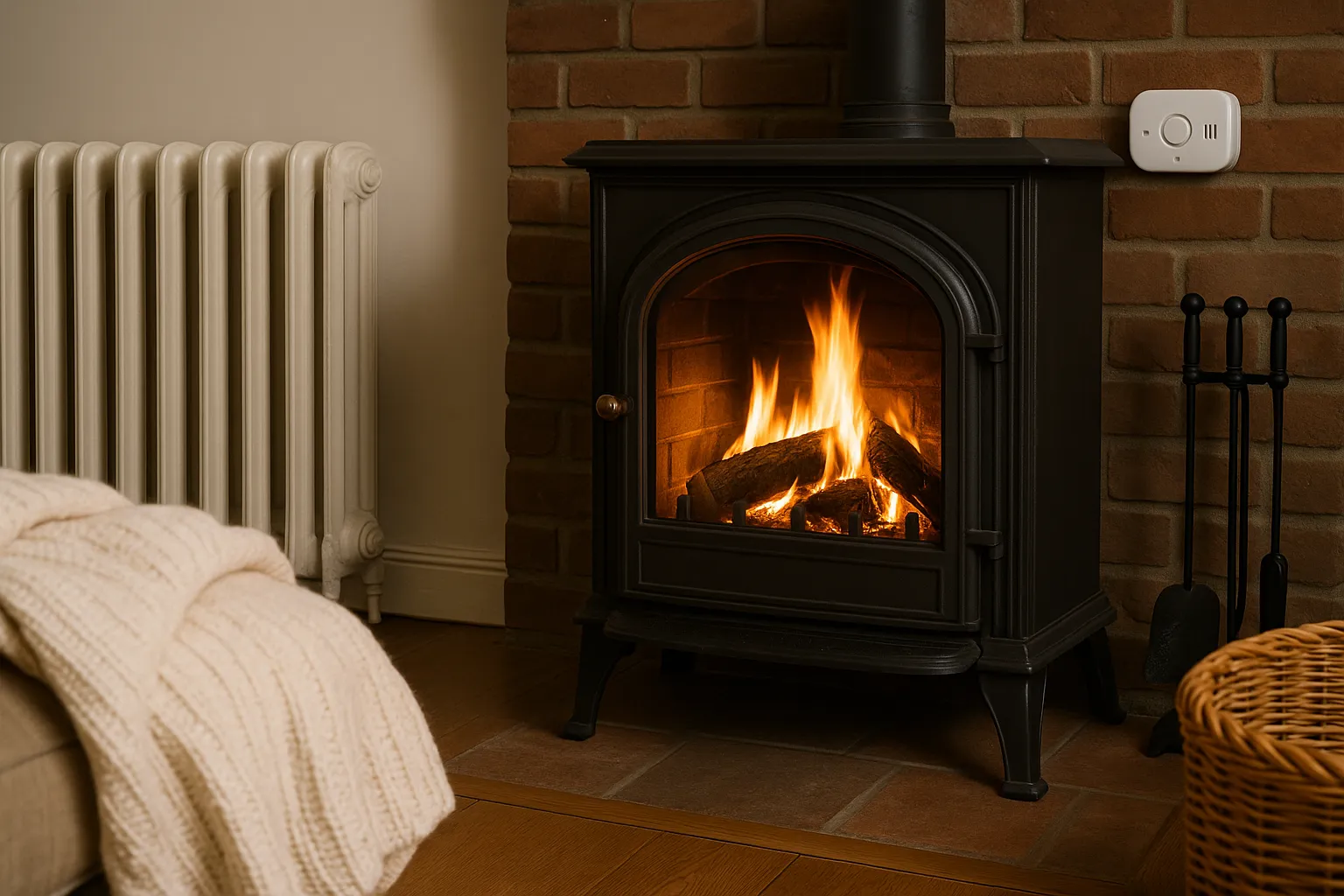
Concerns extend to log burners, which, while providing a charming source of heat, can release harmful emissions. Dr Wylie cautions: “Smoke from log burners can irritate respiratory pathways, particularly affecting those with pre-existing conditions like COPD or asthma. Long-term exposure can lead to serious cardiovascular issues due to the fine particulate matter generated.”
If symptoms such as coughing or wheezing emerge after using a log burner, especially in poorly ventilated areas, immediate medical consultation is advised. Dr Tang emphasizes that individuals with a history of lung disease should be especially cautious and seek help for severe or persistent symptoms.
Electric blankets, while comforting on cold nights, also pose risks if mismanaged. They can cause overheating and burns, particularly in older models or if they malfunction. Dr Tang advises against prolonged use overnight and suggests monitoring for skin irritation or discomfort.
In light of these potential hazards, health experts stress the importance of preventive measures and awareness. Ensuring proper maintenance of heating appliances and implementing safety checks can substantially reduce health risks during the winter months. As the weather cools, it is prudent to remain vigilant about the indoor environment, engaging in practices that not only create a cosy atmosphere but also safeguard well-being.
To help people budget for energy consumption, the NHS recommends maintaining indoor temperatures at a minimum of 18°C, particularly in areas where individuals spend considerable time, and reducing draughts by using excluders. Additionally, homeowners should regularly service their heating systems, check for potential improvements in their energy efficiency, and consider insulation and weatherproofing solutions.
As winter settles in, it becomes increasingly critical to remain conscious of both comfort and safety in our homes. Awareness and proactive measures can ensure that the winter months are enjoyed without compromising health, allowing individuals to bask in the warmth of their homes while minimising hidden risks.
Our Thoughts
To mitigate the risks highlighted in the article, key actions could include regular maintenance and servicing of heating systems, as mandated by the Gas Safety (Installation and Use) Regulations 1998, which ensure that all gas appliances are safe to use. Installing carbon monoxide alarms, as per the requirements of the Carbon Monoxide Alarm Regulations 2015, would provide early detection of this life-threatening gas. Additionally, ensuring appropriate ventilation to prevent the buildup of harmful substances could tackle both carbon monoxide risks and damp-related mould growth.
The article emphasizes the importance of properly using electric blankets and the risks of poorly maintained log burners, which could lead to burns and respiratory problems, respectively. Health risks associated with inadequate indoor heating and dampness should be addressed by landlords under the Housing Health and Safety Rating System (HHSRS) of the Housing Act 2004.
Key safety lessons include the necessity of staying informed about the signs of unsafe air quality and the importance of maintaining a safe home environment proactively. Future similar incidents could be prevented with a focus on public education regarding home safety, appropriate equipment maintenance, and regulatory compliance.