
















Story Highlight
– Chewing gum linked to headaches and gastrointestinal issues.
– Sorbitol and food dyes raise health concern.
– Excess acid from chewing causes GERD and esophageal damage.
– Long-term gum use may elevate stress hormone levels.
– Titanium dioxide and BHT pose potential health risks.
Full Story
Health professionals are raising concerns about the potential dangers associated with chewing gum, highlighting a range of issues from persistent headaches to serious gastrointestinal challenges. In the United States alone, over 150 million people are reported to consume chewing gum annually, with each person averaging around 300 pieces per year. This widespread popularity has prompted medical experts to investigate the long-term health ramifications of regular gum consumption.
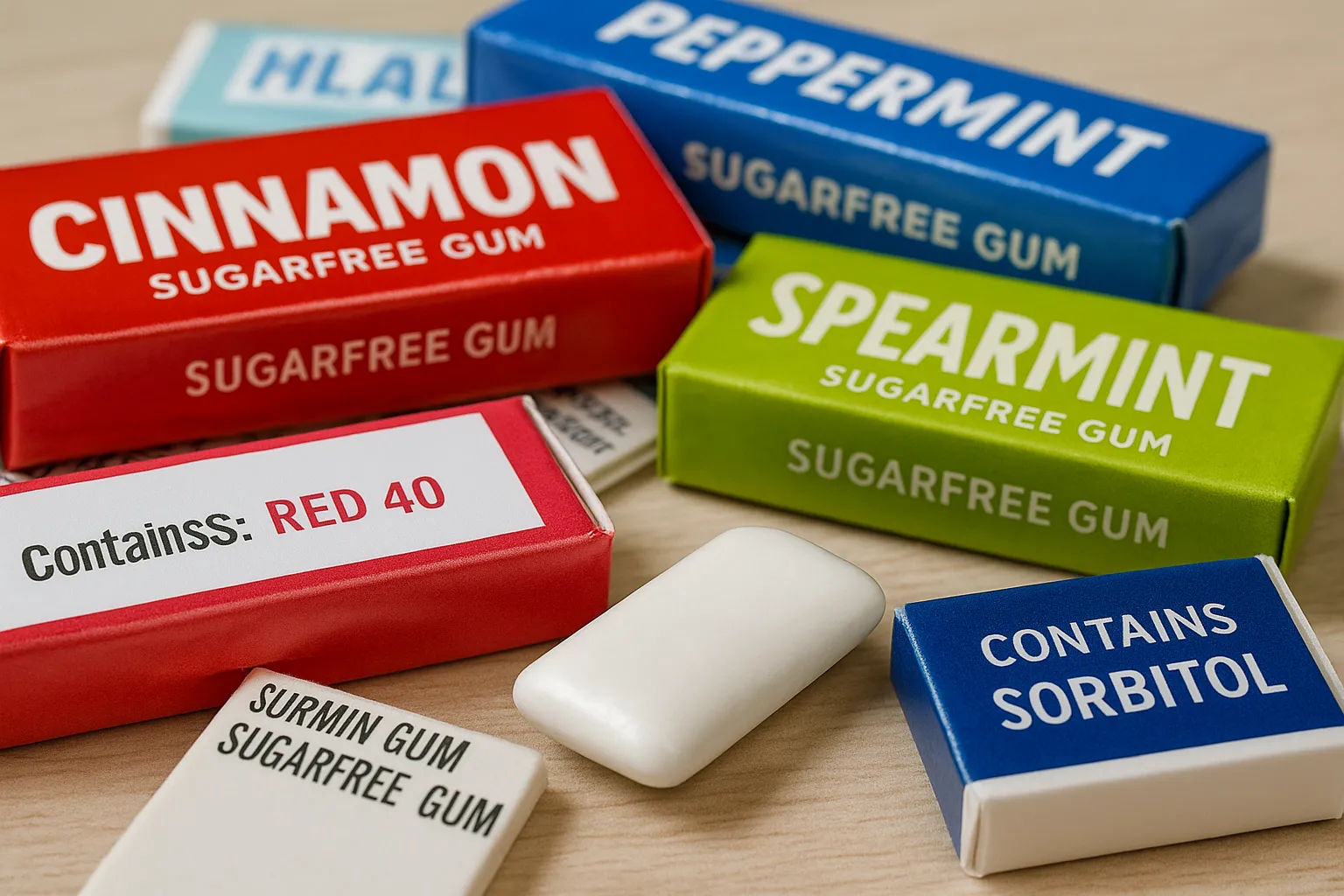
Chewing gum is typically composed of a mixture that includes a gum base, sweeteners, softeners, flavourings, and colourings, prompting scrutiny from doctors and nutritionists alike. One particular ingredient under increased scrutiny is sorbitol, a common sugar substitute found in many sugar-free chewing gums. Concerns about food dyes are also prevalent; many types of commercial gum utilize synthetic dyes such as Red 40, Yellow 5, Yellow 6, Blue 1, and Titanium dioxide, the latter often used to achieve a whitish appearance. These additives have been associated with various health issues, including potential DNA damage, immune system effects, and an increased risk of certain cancers.
Furthermore, preservatives such as butylated hydroxytoluene (BHT) and citric acid, along with emulsifiers like soy lecithin and glycerol esters of rosin, help maintain the gum’s freshness and texture. A significant study published in 2008 detailed alarming health outcomes related to high levels of sorbitol consumption. Researchers from Berlin observed two patients hospitalized due to serious gastrointestinal issues, including chronic diarrhea and significant weight loss, attributed to their habitual intake of 15 to 20 sticks of gum each day. Once they stopped, both individuals experienced a return to normal bowel function.
Sorbitol, also known as E420, is not well absorbed by the small intestine and possesses laxative effects. The study’s lead researcher, Dr Juergen Bauditz, noted that many gum consumers might not connect their digestive issues to their chewing habits.
Dr Briana Gelfand, a clinical nutritionist associated with Mount Sinai Diabetes Center in New York, expressed reservations about the health impacts of chewing gum. She explained that the act of chewing may confuse the body’s digestive processes. “The act of chewing causes your body to anticipate food, prompting the release of digestive enzymes and stomach acid,” she remarked. “With no actual food or nutrients to digest, the excess acid can irritate the stomach lining and worsen issues like acid reflux.” Dr Gelfand added that untreated acid reflux, also known as gastroesophageal reflux disease (GERD), can lead to severe complications such as inflammation, esophagitis (inflammation of the esophagus), and even Barrett’s esophagus, which raises the risk of esophageal cancer.
Chronic exposure to stomach acid can also result in extra-esophageal symptoms, including chronic cough and asthma-like respiratory issues. The risk of tooth enamel erosion due to frequent acid exposure in the mouth is another concern raised by experts. Additionally, it has been noted that chewing gum can cause the ingestion of extra air—a condition known as aerophagia—which can contribute to belching, bloating, and increased pressure in the stomach, thereby exacerbating GERD symptoms.
Concerns regarding the safety of food colourings have surfaced as well. A study conducted by the California Office of Environmental Health Hazard Assessment revealed that food dyes in gum might be linked to behavioural difficulties in children, such as reduced attention spans. Furthermore, the EU has banned titanium dioxide due to safety concerns, while it remains permissible in food products in the U.S.
There are also worries about preservatives like BHT; certain animal studies suggest that long-term exposure could lead to cellular damage and hormonal disruptions, although conclusive human evidence remains limited. Moreover, some gums are infused with caffeine, which can lead to obvious health hazards. A concerning incident involved a 12-year-old boy in the UK who was hospitalised after consuming over 50 pieces of caffeine gum within a day, leading to a caffeine intake equivalent to 20 cups of coffee.
Research has also indicated a correlation between excessive gum chewing and increased headache frequency. A study from Tel Aviv University in 2014 observed that among young people aged six to 19 suffering from chronic headaches, significant relief was reported after they ceased chewing gum for a month. When they resumed chewing, most participants experienced a return of their symptoms, potentially linked to the strain on the temporomandibular joint caused by repetitive chewing motions.
Adding to the stress-related concerns, personal trainer Natalie Alex indicated that persistent chewing could elevate stress hormone levels. A study from Coventry University showed that participants who chewed gum before undergoing stress tests experienced a notable increase in cortisol levels compared to those who did not chew gum. Chronic high cortisol levels can contribute to various health issues, including metabolic and digestive disorders.
In summary, while occasional gum chewing may not pose significant risks, experts advise caution with frequent consumption, particularly on an empty stomach, as it may disrupt digestive balance and lead to a myriad of health complications.


Chewing large amounts of gum can definitely cause problems for some people. Ingredients like sugar alcohols and artificial additives can upset digestion and may trigger headaches or worsen reflux in sensitive individuals. Recommending moderation makes sense, and employers and public spaces should consider offering clear guidance or alternatives where prolonged chewing could affect wellbeing.
Good to see attention on this. Moderation is sensible given the evidence linking excessive gum chewing to jaw strain, increased acid reflux and potential digestive upset from sugar alcohols. Employers and safety teams should also consider workplace factors that encourage constant chewing such as high stress or long shifts without breaks. Where possible choose products with simpler ingredient lists and encourage regular breaks, proper hydration and access to healthy snacks to reduce reliance on gum.
This is a useful reminder to consider not just the habit but the ingredients. Regularly chewing gum can introduce additives and sugar alcohols that some people do not tolerate well and may aggravate digestive or headache issues. For those with reflux or gastrointestinal sensitivity cutting back or choosing products without certain sweeteners and unnecessary additives could help. Moderation and attention to individual responses remain sensible advice.
This is a timely reminder that everyday habits can have unintended health consequences. Moderation makes sense, especially for people with digestive sensitivity or frequent headaches. Checking ingredient lists and choosing products with simpler formulations can help reduce exposure to additives of concern. For those with persistent symptoms, discussing chewing gum use with a healthcare professional is a sensible step.