

















Story Highlights
– Alban Watts died due to inadequate machinery guarding.
– Family expressed anger at the company’s negligence.
– Bell Mount Farming fined £50,000 for safety violations.
– HSE investigation highlighted basic safety failures.
– Company failed to secure necessary machinery safeguards.
Full Story
The tragic death of Alban Watts, a 61-year-old worker from Cumbria, has prompted serious concerns about workplace safety standards in the agricultural sector. Mr Watts passed away on 11 January 2023 while employed at Bell Mount Farming Limited in Great Salkeld, Penrith. His family has expressed profound grief and frustration, believing that his death was preventable and indicative of failures in machinery safety measures.
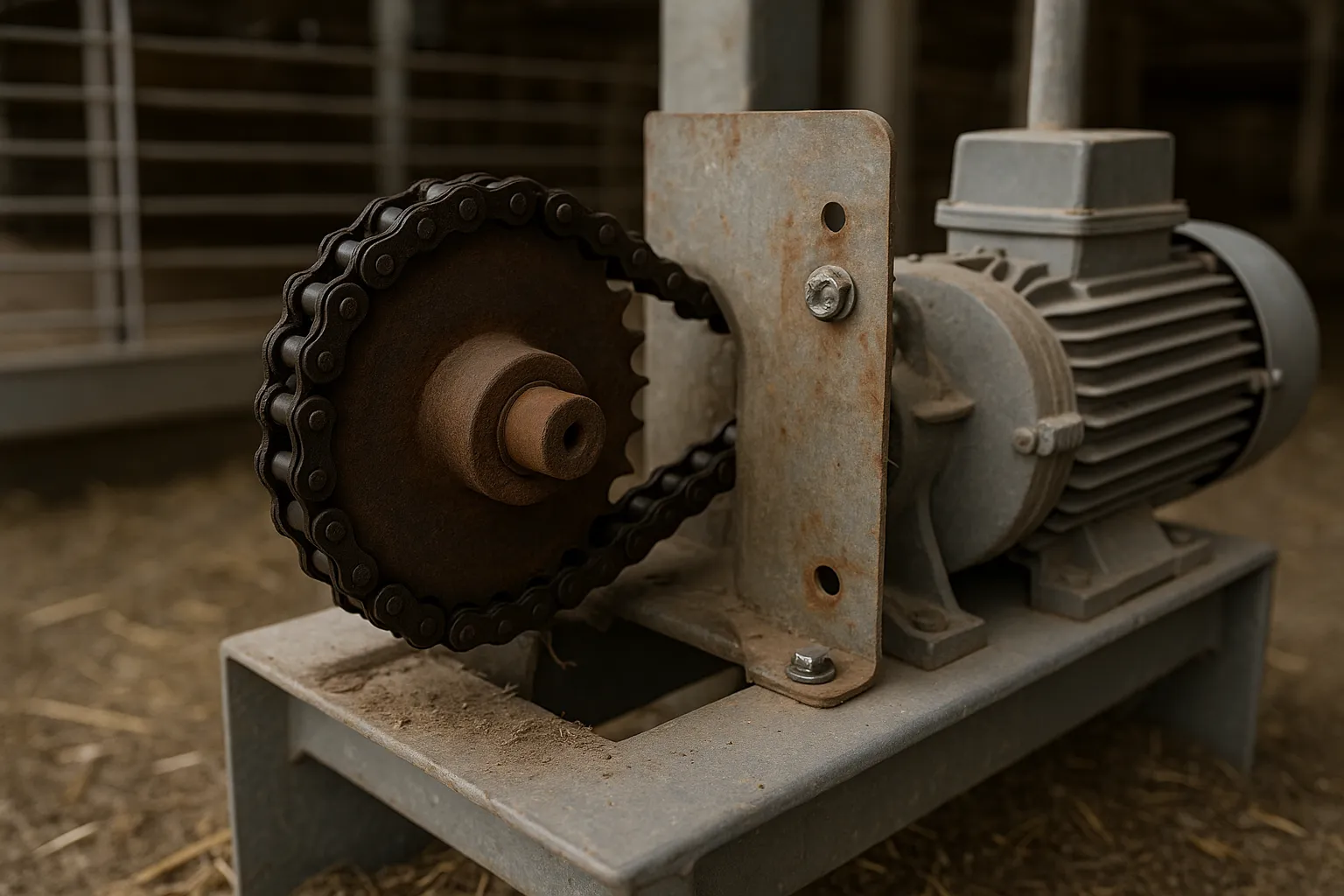
Mr Watts was working alone in a poultry shed when his clothing became caught in an unguarded section of a feeding system. The dangerous situation arose during one of the scheduled feeding cycles, which lasted three minutes, during which the machinery was operational. While this system is designed to provide nourishment to the hens, the machinery’s inadequate guarding ultimately led to a fatal accident.
Inspectors from the Health and Safety Executive (HSE) conducted a detailed investigation into the circumstances surrounding Mr Watts’ death. Their findings highlighted a significant oversight by Bell Mount Farming Limited, which failed to properly secure the machinery’s guarding. The rotating sprocket of the feed system was not adequately protected, allowing for access to its hazardous components. It was discovered that the safety guard designed to prevent such access could be easily removed and was not affixed in place.
Further inspections revealed that the guard’s bolt holes were stripped, rendering it impossible to fix securely to the machinery frame. The lack of proper guarding has raised questions about the company’s commitment to health and safety regulations, particularly those outlined in the Provision and Use of Work Equipment Regulations 1998 (PUWER), which require effective measures to prevent access to dangerous parts of machinery.
Following the investigation, Bell Mount Farming Limited faced legal consequences for their negligence. The company entered a guilty plea to charges of breaching health and safety regulations at a hearing on 20 November 2025. They were subsequently fined £50,000 and instructed to pay additional costs amounting to £6,038.
Martin Watts and Louise Robinson, the brother and sister of the deceased, voiced their distress over the loss of their sibling. In a statement, they lamented the irreplaceable void left in their lives, emphasizing how Alban’s absence has fundamentally altered their family dynamic. “Losing Alban has taken a part of our trio; without him, we are an incomplete unit,” they stated. “He worked at Bell Mount for 12 years and enjoyed his job, but it took the loss of a member of our family for them to acknowledge their shortcomings.”
Their mother, Noreen, shared sentiments of anguish and disbelief at the cruel nature of her son’s passing. She underscored the emotional toll of losing a child, describing it as a “nightmare.” Noreen passionately called for systemic changes, stating, “I hope lessons are learnt from this tragedy. Due to the lack of a machine guard, my dear son Alban has been killed and taken from me.”
Matthew Shepherd, an HSE inspector involved in the case, articulated the preventable nature of this tragedy. “What is most tragic about this case is the failure of the company was such a basic and simple one,” he remarked after the court hearing. “What was such an easy fault to fix cost a much loved man his life and left a family without a brother and a son.” Inspector Shepherd further stressed the necessity for stricter adherence to safety protocols: “Alban’s death shows the importance of ensuring machinery is adequately guarded and the devastating consequences of getting it wrong.”
The case of Alban Watts has reverberated throughout the community and raised significant awareness regarding workplace safety, particularly in industries involving machinery and equipment. The HSE has reiterated its commitment to enforcing standards to protect workers and prevent similar occurrences in the future. The emphasis on safety measures is not merely regulatory; it is a crucial component in safeguarding lives and maintaining the integrity of workplaces across the UK.
As investigations continue and families grapple with the aftermath of such tragedies, the lessons to be learnt are stark. The importance of rigorous safety checks, staff training, and adherence to regulations cannot be overstated. The hope shared by the Watts family is that their loss can serve as a catalyst for change, so that other families are spared similar grief.
Alban’s memory and the circumstances of his death serve as a reminder of the responsibilities that employers hold in ensuring the well-being of their staff. It is a clarion call for all industries to reflect on their safety practices and make necessary enhancements to protect their workforce. The echoes of this incident will likely influence ongoing discussions about occupational safety standards, prompting both companies and regulators to work more diligently toward safer working environments.





This is a heartbreaking reminder that basic safety measures must never be treated as optional. Machinery guarding, risk assessments and routine maintenance are fundamental protections that save lives. Employers must make sure equipment is fitted with appropriate guards, that safe systems of work are in place and that workers receive training and supervision proportionate to the risks. Regulators and industry should work together to close gaps in compliance and to share practical guidance so incidents like this do not happen again. My condolences to Mr Watts family, and a call for urgent action to prevent further needless loss.