














Story Highlight
- University of Liverpool hosted IST Technical Conference 2026 in UK.
- Theme focused on collaboration and community in technical careers.
- Delegates participated in 16 workshops covering diverse technical topics.
- Conference promoted University’s commitment to technical community and career pathways.
- Event inspired technicians to explore new collaboration opportunities.
Full Story
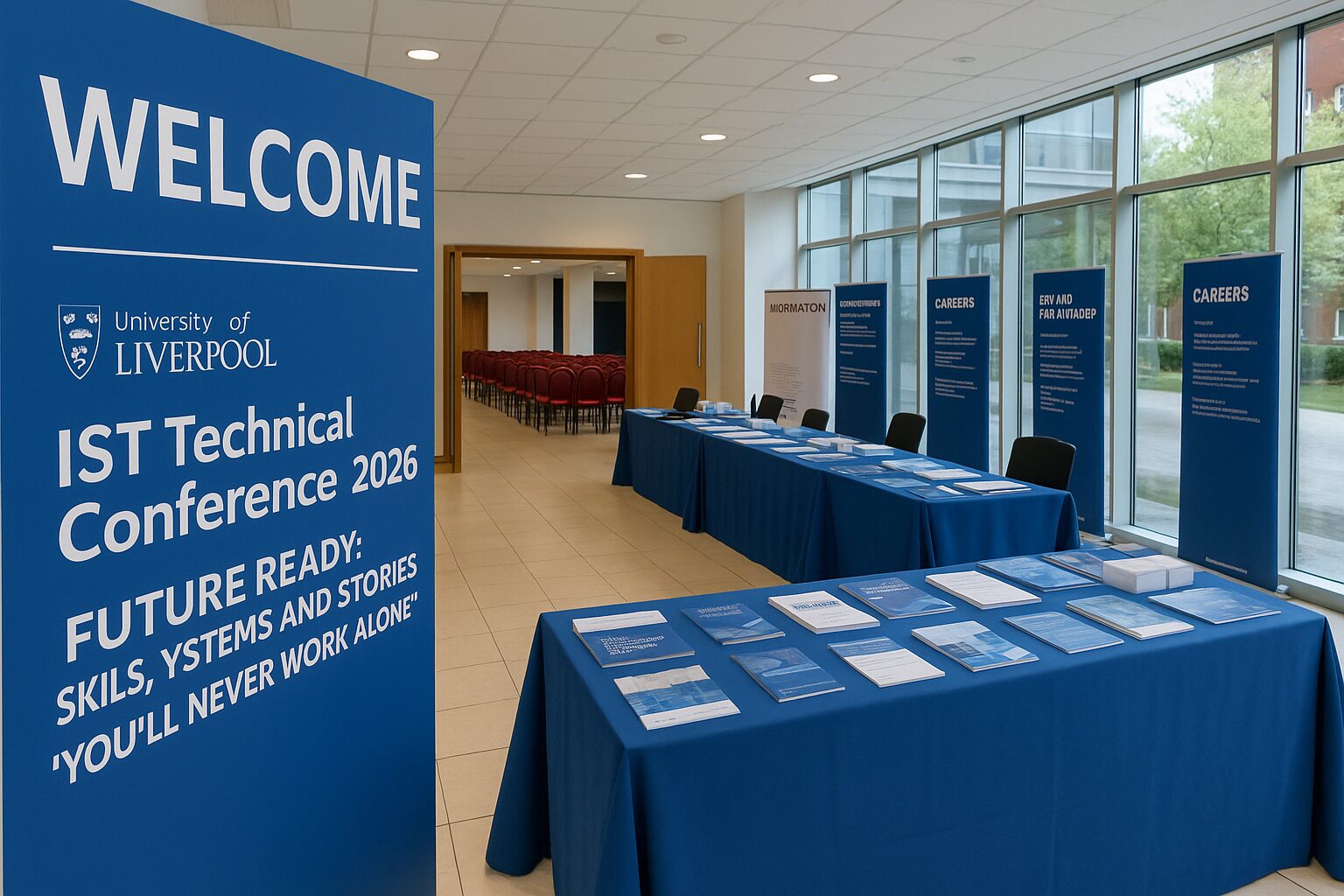
The University of Liverpool hosted the Institute of Science and Technology (IST) Technical Conference 2026, attracting technicians and technical professionals from across the UK. The event focused on the theme Future Ready: Skills, Systems and Stories – “You’ll Never Work Alone,” emphasising the significance of collaboration in adapting to swift technological advancements and evolving career pathways.
The conference programme covered a variety of topics, including artificial intelligence, sustainability, leadership, and career development. The day commenced with opening remarks from Terry Croft MBE, Helen Sharman CMG OBE, and Professor Ian Prior from the University of Liverpool. Professor Fiona Clark OBE presented the first keynote address, titled How Hard Can it Be? How to Survive and Thrive in the Ever Changing World of STEMM, drawing from her personal experiences. The second keynote was delivered by Jiteen Ahmed, Head of Technical Services at Aston University, who spoke on Resilience and Collaboration – The Tale of a Technician’s Journey.
Delegates selected from 16 workshops addressing various subjects such as the evolving role of AI, sustainable research practices, technical career pathways, and support for women and neurodivergent individuals in technical roles. University of Liverpool representatives contributed significantly to the event, highlighting the institution’s Research Technical Professional career pathway initiated in 2023, aimed at enhancing recognition and career progression for specialist technical staff.
Terry Croft MBE, Chair and CEO of the Institute of Science and Technology, commented on the event’s success, stating, “The conference has been brilliant. More than 300 delegates engaged enthusiastically with the presentations, workshops and networking opportunities.” He acknowledged the contributions of the university staff, stating that their support was crucial to the conference’s success and that there had been a palpable buzz throughout the day.
The conference also served to underline the University of Liverpool’s commitment to its technical community, having signed the Technician Commitment in 2017. The university employs over 650 technical staff and offers platforms for professional development, including the Technicians Hub and the University Technical Network.
The event concluded with a panel discussion led by IST President Dr Helen Sharman CMG OBE, which addressed how individuals and organisations can effectively respond to change. The panel included Professor Fiona Clark OBE, Jiteen Ahmed, Professor Tracy Harwood, and University of Liverpool Senior IT and AV Technician Michael Bayliss, who recorded the session for the Technician Commitment Podcast.
Jan Brett, Senior Safety Risk and Compliance Manager for the Faculty of Health and Life Sciences and IST Executive board member, stated that the day was marked by energy and enthusiasm. She noted that technicians were inspired by the discussions and had begun considering new opportunities for collaboration, aligning with the event’s objectives. Brett expressed pride in the University of Liverpool team’s dedication and efforts that made the event possible.
The conference reflects the university’s commitment to elevating the profile and career growth of technical professionals, ensuring that their expertise remains integral to research, education, and innovation.
Source: read the original report.
What this means for your site
The conference showcased the importance of collaboration and skill development in technical professions, underscoring the need for ongoing training and adherence to UK health and safety legislation. While the event was successful, there are areas for improvement, particularly in ensuring comprehensive risk assessments are conducted and regularly updated, following the Management of Health and Safety at Work Regulations 1999. These regulations mandate that employers conduct suitable and sufficient assessments of risks to health and safety that may arise in connection with workplace activities.
Furthermore, effective communication of health and safety protocols should be prioritized, as stipulated by the Health and Safety at Work etc. Act 1974, which requires employers to ensure, so far as is reasonably practicable, the health, safety, and welfare at work of all employees. To prevent incidents related to safety management in future events, sites should implement regular safety training sessions for all personnel involved in planning and executing conferences. Establishing a clear line of communication regarding health and safety responsibilities during events can significantly enhance safety outcomes and promote a culture of safety within the organization.