
















Story Highlight
- Health Secretary Yvette Cooper raises hopes for dementia drug access.
- Lecanemab, treating early-stage Alzheimer’s, not available on NHS yet.
- Government raised cost-effectiveness threshold for drug approval by 25 percent.
- NHS in talks with lecanemab’s maker Eisai for access negotiations.
- Cooper plans to appoint a dementia tsar for patient care improvement.
Full Story
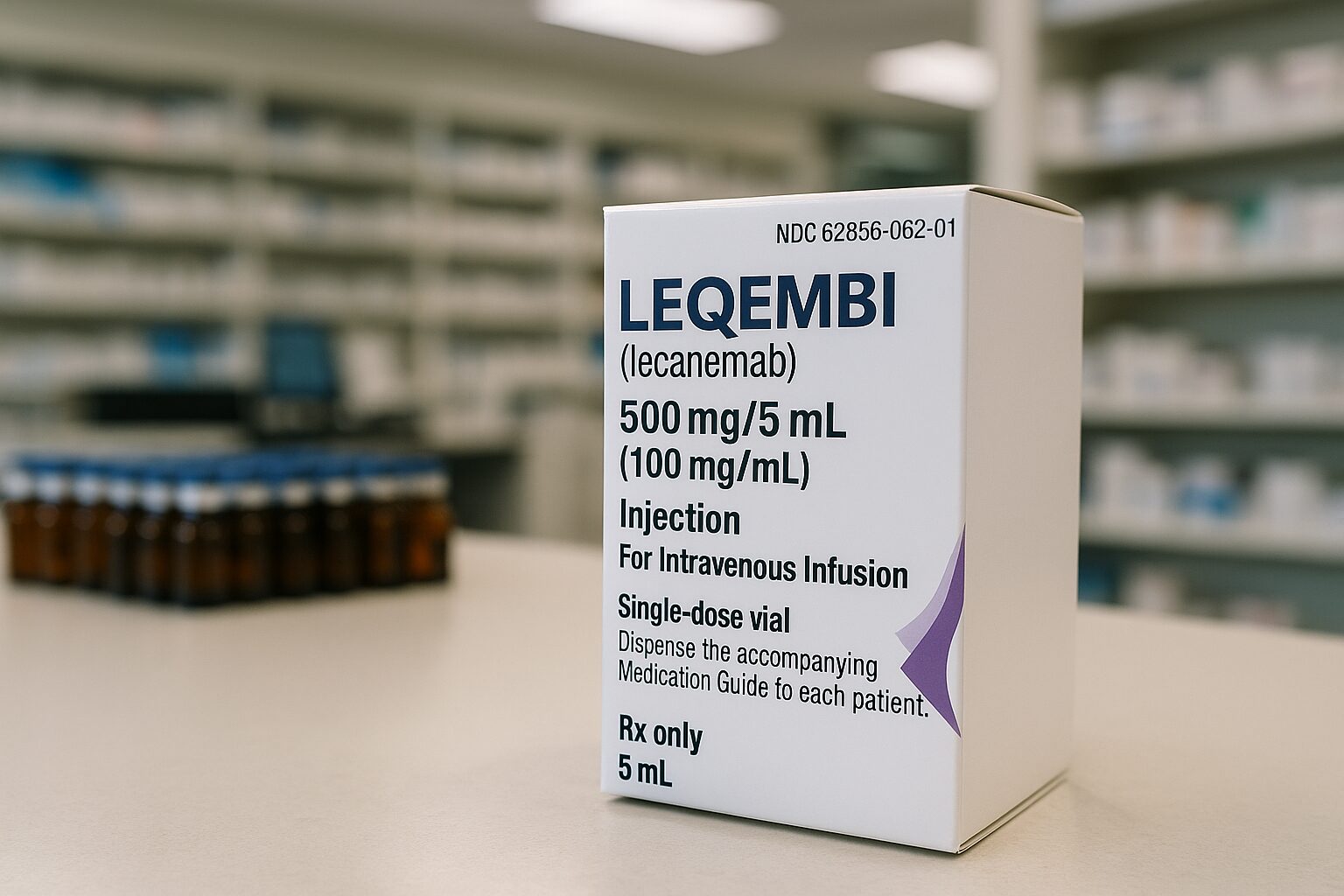
Health Secretary Yvette Cooper has indicated that the dementia drug lecanemab might soon be accessible on the NHS. Currently, lecanemab, utilised for treating early-stage Alzheimer’s disease, is manufactured in Britain but not available through the NHS. In an interview with The i Paper, Cooper suggested that modifications to the cost-effectiveness guidelines by the National Institute for Health and Care Excellence (Nice) could enhance access to various treatments, potentially including dementia medications.
Although Cooper cannot directly mandate drug availability, the NHS can request Nice to evaluate specific medications for their value for money. The UK was the first European country to approve lecanemab, marketed as Leqembi, in 2024 following clinical trials that demonstrated a significant reduction in patient decline. Later, the UK also licensed donanemab, another drug aimed at slowing Alzheimer’s progression.
Nonetheless, Nice initially opted not to endorse either drug, citing that the patient benefits did not justify the costs to the NHS. This limitation confined lecanemab and donanemab to those who could afford private treatment. Earlier this year, the Government increased the cost-effectiveness threshold by approximately 25 per cent, allowing more expensive medications to be approved for better patient care. This adjustment followed a trade agreement with the US that promised increased pharmaceutical investment in the UK.
This adjustment marks the first change to Nice’s cost-effectiveness threshold in its 25-year existence, enabling a reevaluation of multiple previously rejected drugs. When asked if there would be measures taken specifically for dementia drugs, Cooper stated, “We’ve got areas where some of the changes that we have made to the Nice guidance are making it possible to get more drugs available on the NHS. So we are seeing that happening now, but we’ll look at the dementia [drugs].”
Decisions regarding drug availability will remain under Nice’s independent authority as they consider evaluations requested by the NHS or the Department of Health. Cooper also announced plans to appoint a dementia tsar to enhance collaboration on prevention, treatment, and care for Alzheimer’s disease. The NHS is currently in discussions with Eisai, the manufacturer of lecanemab, to identify possible avenues for benefiting NHS patients. Nice has temporarily halted its evaluation of lecanemab following these discussions.
Eisai is expanding its operations in Hertfordshire, supported by a government grant, allowing for the manufacture of lecanemab and its distribution across Europe, the Middle East, and Africa. Similar negotiations are taking place with Eli Lilly for donanemab. Michelle Dyson, Chief Executive of Alzheimer’s Society, commended Cooper’s commitment to dementia patients and called for urgent NHS availability of drugs that can slow disease progression.
Additionally, on Tuesday, it was revealed that patients in England with a specific type of incurable breast cancer would gain access to Enhertu, a drug that extends their lifespan by an average of seven months. Nice had reversed its initial decision against the drug, largely due to the recent trade deal.
In the same interview, Cooper addressed her priorities as Health Secretary, aiming to improve maternity services and prepare hospitals for extreme heat. She emphasised the need for enhanced support for new mothers, including assistance with breastfeeding and child mental health, as part of a broader community care strategy. Plans remain in early stages of development, but Cooper expressed a commitment to allocating any increased health funding towards maternity care and capital improvements.
Source: read the original report.