












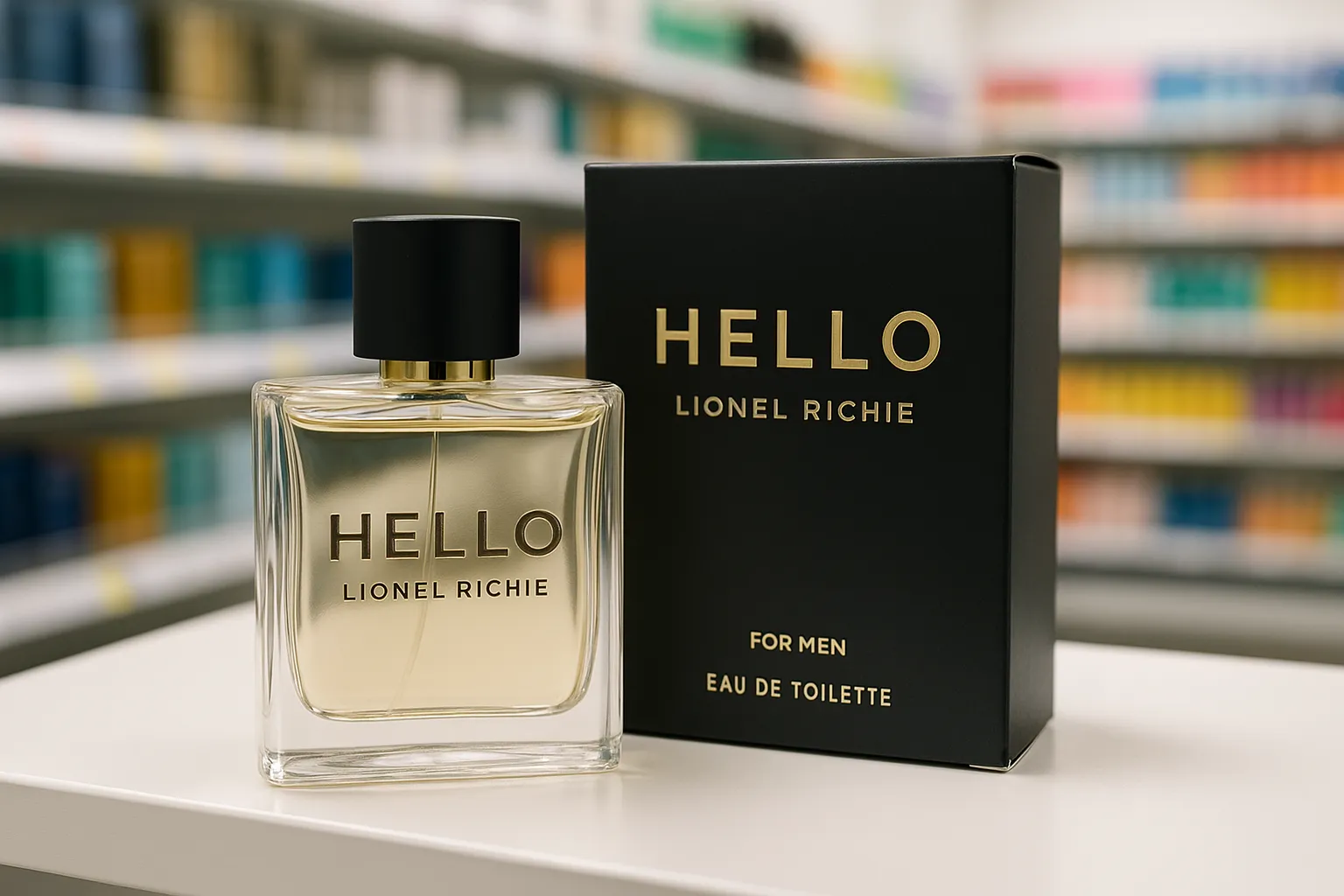
Story Highlight
– Lionel Richie’s ‘Hello’ fragrance pulled from shelves.
– Contains banned chemical harmful to unborn babies.
– Savers Health and Beauty stores issued urgent safety warning.
– Consumers advised to stop using and return products.
– Fragrance inspired by Richie’s garden scents and personal concoctions.
Full Story
Lionel Richie’s signature fragrance line, ‘Hello’, has been removed from retail shelves amid growing concerns regarding consumer safety. The popular line, named after the internationally renowned artist’s 1983 hit, has faced scrutiny following the revelation that it contains a substance banned by governmental regulations due to its potential risks to health.
Discount retailer Savers Health and Beauty has taken the precautionary measure to withdraw the fragrance after an urgent safety advisory was issued by the Office for Product Safety & Standards (OPSS). The OPSS identified the presence of butylphenyl methylpropional — often referred to as lilial — within the fragrance formulations. This synthetic floral compound has been outlawed in both the UK and European Union markets since 2022 due to its classification as a hazardous chemical.
Health experts have raised alarms over the implications of this ingredient, noting that it can pose significant risks, particularly to pregnant individuals and their unborn children. The OPSS formally issued a warning indicating that butylphenyl methylpropional might adversely affect reproductive health and can also lead to skin irritations or allergic reactions in sensitive individuals.
In response to the health advisory, Savers Health and Beauty has advised customers who purchased the ‘Hello’ fragrance to cease use immediately and return the product to their nearest store. This course of action is intended to ensure the safety of consumers and mitigate any associated health risks. With over 500 locations across the UK, the retailer remains committed to customer wellbeing, emphasizing the importance of compliant and safe product offerings.
The Office for Product Safety & Standards highlighted the gravitas of the situation, stating: “The products present a serious chemical risk as they contain butylphenyl methylpropional (BMHCA/lilial), which is prohibited in cosmetic products. BMHCA may harm the reproductive system, may harm the health of the unborn child, and may cause skin sensitisation.” This direct warning underlines the heightened concern regarding the implications of such chemicals in consumer goods.
Prior to this incident, Lionel Richie launched his ‘Hello’ fragrance line in 2020, which drew inspiration from his personal experiences and surroundings, particularly his garden. The fragrance is described as having a harmonious blend of vetiver, lavender, grapefruit, bitter orange, and mint. Richie, in discussing the creation of the perfume, expressed his joy at crafting a scent that resonated with feelings of freshness and lightness. “Before I had my fragrance, I would put a combination of things together,” he remarked. “Now what I’ve done is taken those various little concoctions and put it all together. It’s not heavy, just an accent.”
Despite creating a product with personal significance, the current backlash poses a challenge for Richie and his branding efforts. As regulations around cosmetic safety become increasingly stringent, there is an ongoing call for manufacturers and retailers to remain vigilant in their adherence to safety standards to protect the consumer market.
Local health authorities are keen to stress that consumers should be particularly cautious with fragrances and cosmetics that may contain ingredients that could be hazardous to health. Members of the public are encouraged to report any adverse reactions experienced after using cosmetic products to the relevant health agencies to aid in monitoring the impact of such substances on consumer wellbeing.
Industry experts have signalled the need for a shift towards safer alternatives in fragrance production, especially as toxic ingredients continue to surface in popular products. This incident with Lionel Richie’s ‘Hello’ fragrance serves as a critical reminder of the importance of ingredient transparency and the implications of chemical safety in consumer products, specifically those marketed for personal use.
In the wider context of consumer safety, this incident might fuel broader discussions about regulatory practices within the beauty and fragrance industries. As demands for clarity around product safety grow, so too may the accountability of manufacturers concerning the integrity of their offerings. Discussions among industry stakeholders about increasing compliance and enhancing consumer education about harmful chemicals are gathering momentum.
As authorities continue to investigate, Richie’s fragrance line presents an opportunity for vital dialogues regarding safety regulations and consumer awareness in the increasingly scrutinised cosmetics market. For now, consumers are urged to remain vigilant regarding the products they choose to use and to stay informed about the ingredients contained within their fragrance selections.
Our Thoughts
To avoid the incident regarding Lionel Richie’s fragrance range ‘Hello’, a more thorough compliance check against UK regulations, specifically the Cosmetic Products Regulation (EC) No. 1223/2009, could have been implemented prior to its launch. This legislation prohibits the use of certain substances, including banned chemicals like butylphenyl methylpropional, which poses significant health risks such as reproductive toxicity and skin sensitisation.
Key safety lessons emphasize the importance of rigorous ingredient review and due diligence by manufacturers to ensure product safety before market release. Companies must establish robust supply chain management systems to prevent the inclusion of prohibited substances in formulations.
Additionally, effective communication channels with regulatory authorities like the Office for Product Safety & Standards are essential for prompt reporting and recall procedures when safety issues arise. Regular audits and safety training for staff involved in formulation and marketing processes could also enhance compliance and minimize the risk of similar incidents occurring in the future.
It’s crucial for all cosmetic manufacturers and retailers to adopt stringent quality assurance practices to ensure consumer safety and adhere to legal requirements.