













Story Highlight
– Snow and ice warnings across the UK on Friday.
– Amber warnings issued for northern Scotland, expect blizzard conditions.
– Up to 20cm snow expected on low ground, 40cm higher.
– Travel disruptions likely; plan journeys ahead of time.
– Cold weather increases health risks for vulnerable populations.
Full Story
Weather forecasts indicate that much of the UK will experience significant snow and ice this Friday, with subsequent warnings of possible disruption to travel. The Meteorological Office has already issued yellow weather warnings for several regions ahead of anticipated amber warnings for northern Scotland that will come into effect from midday.
As the UK braces for wintry weather, the snow is expected to sweep southeast across parts of England and Wales on January 2, leading to potential travel difficulties. A yellow warning specifically for snow and ice is active throughout Friday morning, covering populous areas such as London, Greater Manchester, and Cardiff. Weather models predict that some locations may see up to 2cm of snow accumulation, while higher elevations could receive as much as 5cm.
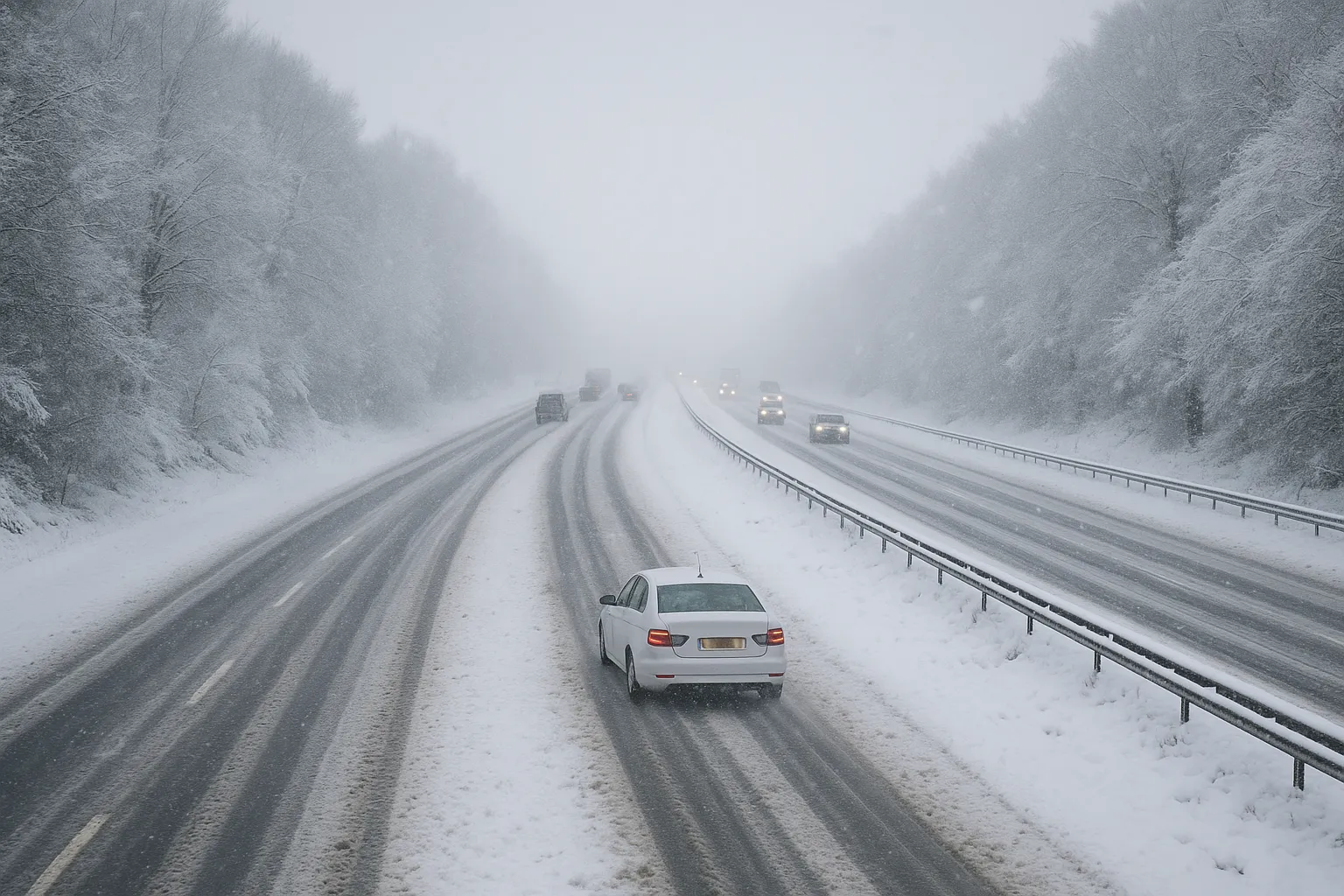
The impact of earlier heavy snowfalls was already evident on New Year’s Day, particularly in the Highlands and northeast Scotland, where motorists encountered dangerous conditions. As the forecast indicates worsening weather on Friday and into the weekend, authorities are warning residents in the affected regions to prepare for more challenging conditions ahead.
The amber warnings in Scotland, which remain in effect until noon on Saturday, signify areas more likely to experience severe snowfall that could lead to power outages and trapped vehicles. The Met Office predicts that during this period, low ground could receive up to 20cm of snow, with higher areas expecting up to 40cm.
The Met Office elaborated on the situation, stating, “Heavy snow showers will become more frequent and may merge to give longer spells of snow at times. The area and period covered by this warning are when the heaviest and most disruptive snow is thought most likely.” Additionally, windy conditions are anticipated, which could lead to drifting snow and volatile blizzard conditions.
Chief Superintendent Scott McCarren, who leads road policing for Police Scotland, has urged the public to evaluate the necessity of travel during adverse weather. He advised, “Our advice is to plan ahead and consider if your journey is really necessary during the bad weather or if it can be delayed until conditions improve. If you need to travel, please drive to the conditions, be prepared for delays and allow extra time for your journey. Please don’t drive through road closures; the decision to close roads is not taken lightly and is done for public safety.”
On Friday, yellow warnings for snow and ice are set to affect extensive parts of England and Wales between midnight and noon. This includes areas from Chester and Greater Manchester down to London and Kent, with additional yellow warnings for Northern Ireland from midnight until 10am. Travellers have been advised to expect prolonged journey times across all modes of transport, including roads, buses, and trains.
The AA has estimated a total of approximately 20.7 million car journeys will take place across the UK on January 2, following a quieter New Year’s Day where around 18 million journeys were forecasted. A representative from the Met Office commented, “We expect this cold spell to persist into the weekend and on into next week, with further warnings possible as temperatures remain well below average and snow showers continue in places.”
Alongside these weather warnings, the UK Health Security Agency (UKHSA) has issued caution across England, with alerts being in place until 10am on January 6. The UKHSA expects the harsh weather to have a significant impact on health and social care services, increasing the risk of “a rise in deaths” particularly in vulnerable populations, such as the elderly and those with pre-existing health conditions.
Dr Paul Coleman, a consultant in health protection at the UKHSA, emphasized the seriousness of the situation, stating, “The weather is forecast to be very cold across England over the coming few days. Low temperatures like these can have serious impacts on the health of some people, particularly older people and those with serious health conditions. Exposure to cold can lead to an increased risk of heart attacks, strokes, and chest infections. It is, therefore, really important, as the colder weather sets in, to check in on friends, family and neighbours that are most vulnerable.”
Communities across the UK are being advised to take precautionary measures as the wintry conditions set in, with authorities urging the public to stay informed and exercise caution as the effects of snow and ice are felt throughout the country. As weather conditions worsen, maintaining safety and health remains a priority for individuals and communities alike.
Our Thoughts
To avoid the disruptions and safety risks associated with the severe winter weather, several key measures could have been implemented. Foremost, adherence to the Health and Safety at Work Act 1974 would require employers to assess risks arising from adverse weather conditions and provide appropriate guidance to employees. This includes assessing travel needs and promoting remote work where possible, particularly for vulnerable populations.
Furthermore, Transport for London and local authorities could enhance preemptive measures such as timely communication of travel advisories and road closures to prevent undue risks, as stipulated under the Road Traffic Act 1988 concerning road safety.
The Met Office’s weather warnings should be accompanied by proactive public awareness campaigns, ensuring citizens understand the importance of avoiding unnecessary travel and preparing for extreme conditions, in line with the Management of Health and Safety at Work Regulations 1999.
In summary, effective risk assessments, clear communication of safety measures, and encouraging delayed travel could have mitigated many risks posed by the weather, helping to comply with UK health and safety legislation while protecting public health and safety.