
















Story Highlight
– New Renters’ Rights Act imposes fines for non-compliance.
– Landlords face jail for tenant deaths from Legionnaires’ disease.
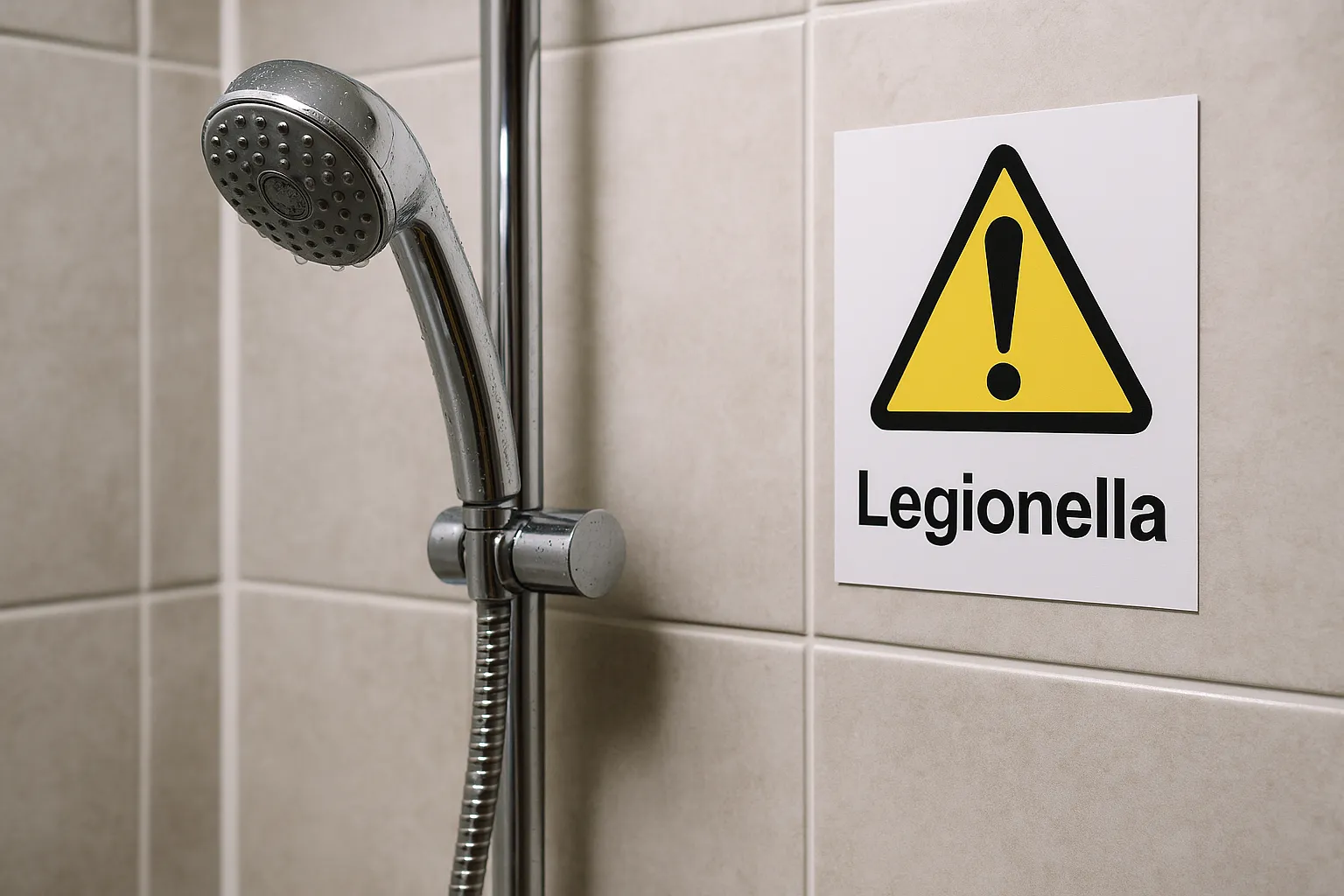
– Legionella bacteria can be deadly and often undetected.
– Annual risk assessments now legally required for landlords.
– Affordable digital platform enables efficient risk management for landlords.
Full Story
The recent introduction of the Renters’ Rights Act signifies a notable shift in the responsibilities of landlords in the UK, specifically regarding the management of Legionella bacteria in rental properties. Under this newly enacted legislation, landlords who neglect their obligations to manage Legionella risks face severe penalties, including fines of up to £20,000 and potential imprisonment if a tenant succumbs to Legionnaires’ disease.
Legionella bacteria thrive in warm water environments, and when inhaled through water droplets, can lead to Legionnaires’ disease, a serious and potentially fatal form of pneumonia. The risk of severe illness is particularly pronounced among vulnerable groups, such as the elderly and those with compromised immune systems.
Leah Stone, the director of Legionella Guard, has emphasised the insidious nature of Legionella, stating, “Legionella is a deadly risk hiding in plain sight that too often gets overlooked.” She noted that while landlords generally receive guidance for managing more visible hazards like gas and fire safety, the presence of Legionella in water systems can often go unnoticed. Historically, the advice available to landlords has been lacking in clarity and has frequently gone unheeded, particularly because professional inspections can incur significant costs.
In light of this, there is an urgent call for landlords to conduct annual legionella risk assessments not only to safeguard their tenants but also to fulfil their legal responsibilities. Failure to adhere to these regulations constitutes a criminal offence, underlining the importance of compliance.
According to Ms Stone, the launch of a new digital platform aims to empower landlords in managing these risks effectively. “Our new digital platform empowers landlords to take control of the risk, protecting tenants and themselves in one go,” she explained. This innovative solution is designed to address a pressing need within the rental sector, providing a straightforward method for landlords to comply with the law without incurring prohibitive costs.
Headquartered in Banbury, Legionella Guard has developed tools that assist landlords, letting agents, and housing associations in conducting risk assessments in a cost-effective manner. Drawing from the expertise of seasoned assessors with over ten years of experience in southern England, the platform enables users to achieve accreditation through a Health and Safety Executive (HSE) compliant e-learning programme.
For a fee of just £9.99 per assessment, landlords can complete their own evaluations and safely archive compliance documentation. “Once landlords have completed our straightforward e-learning programme they can assess the risk themselves, without having to pay large fees to third parties,” Ms Stone added. This approach keeps costs low and aims to facilitate compliance in an evolving rental landscape filled with challenges.
The platform is also accessible to letting agencies, local government authorities, and housing associations, expanding its utility in fostering health and safety compliance across the rental market.
Recent data from the UK Health Security Agency indicated that there were 472 reported cases of legionellosis in 2024, with a case fatality rate of 2.8%. Symptoms of this disease include chest pain, coughing, elevated temperatures, and shortness of breath, further exemplifying the severity of the health risks posed by Legionella.
Under the Health and Safety at Work etc. Act 1974, landlords may face prosecution if a tenant suffers severe health consequences or dies due to exposure to Legionella in their rental property. Although the occurrence of such cases is rare and most individuals recover without lasting effects, the potential for danger remains significant for those managing rental properties.
The push for improved safety protocols comes at a time when many landlords are reassessing their obligations in light of increasing regulatory scrutiny and changing market conditions. With the advent of the Renters’ Rights Act and its strong emphasis on tenant safety, landlords are now compelled to take proactive measures.
The awareness initiatives championed by organisations like Legionella Guard are crucial for fostering a culture of responsibility among landlords. Ensuring that risks are adequately managed not only protects tenants but also mitigates legal repercussions for property owners.
As the rental landscape continues to evolve, it remains vital that landlords remain informed and adaptable to new regulations. By investing in tools and training that enhance their capacity to manage safety risks, they can contribute to a more secure environment for all tenants, ultimately bolstering tenant confidence and market stability.
In conclusion, the Renters’ Rights Act marks a significant step forward in ensuring that landlords are held accountable for the safety of their properties, particularly concerning hidden hazards such as Legionella. As compliance becomes increasingly paramount, it is essential for landlords to embrace new technologies and practices that prioritise tenant wellbeing while safeguarding their interests.
Our Thoughts
To prevent incidents of Legionnaires’ disease in rental properties, landlords must prioritize Legionella risk assessments, as mandated by the Health and Safety at Work etc. Act 1974 and associated HSE guidance. The lack of adherence to annual risk assessments is a critical oversight that can lead to severe health consequences for tenants. Landlords can mitigate risks by implementing routine monitoring and maintenance of water systems to ensure Legionella bacteria do not proliferate in warm water environments.
Key safety lessons include the importance of education and accessibility to risk management tools. The introduction of affordable digital platforms for risk assessment can empower landlords and ensure compliance with health regulations. Additionally, clearer guidance and resources on Legionella management should be made available to property owners to eliminate any confusion surrounding their legal responsibilities.
Failure to comply with these regulations not only poses a risk to tenant health but can also result in substantial fines and potential criminal prosecution, highlighting the legal consequences of neglecting this duty of care. By embracing available resources and committing to regular assessments, landlords can protect tenants and themselves from the dangers associated with Legionnaires’ disease.