











Story Highlight
– Popular sand art kit recalled due to asbestos concerns.
– OPSS urges parents to keep it away from children.
– Sold between August 2023 and February 2026.
– Affected item code is 318-19149-B.
– Follow specific disposal instructions for safety.
Full Story
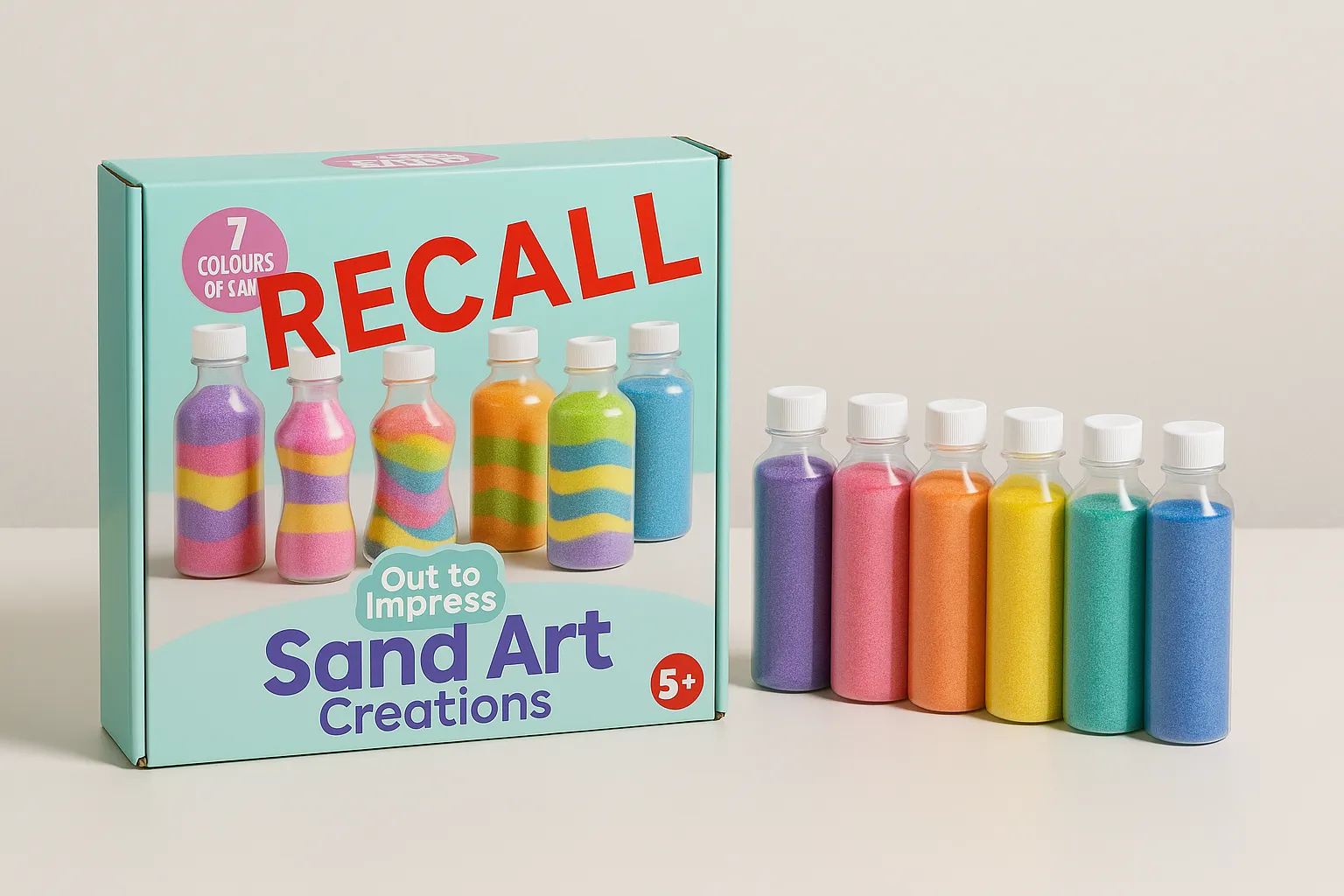
Parents have been alerted to a serious health risk associated with a popular sand art kit, prompting an urgent recall by its manufacturer, Addo Play Limited. The Office for Product Safety and Standards (OPSS) has issued a warning that the sand included in the “Out To Impress Sand Art Creations” kit may be contaminated with asbestos, a hazardous substance known to pose significant health dangers.
The recall notice, published on 23 February, emphasises the importance of keeping the affected product out of children’s reach. This item was marketed to children aged five to ten and was available for purchase between August 2023 and February 2026. It featured an assortment of sand colours designed for creative layering in art projects.
Parents and guardians who acquired this craft kit are advised to look for the item code 318-19149-B to verify if their product is affected. The sand art kit was sold at various major retailers, including Matalan, Marks & Spencer, The Entertainer, and Tesco, as well as through online platforms.
The OPSS has stated that the kit does not comply with the Toys (Safety) Regulations 2011 due to the potential asbestos contamination. Consequently, Addo Play Limited has initiated a market withdrawal of the product in response to the situation. Asbestos is a naturally occurring mineral known for its durability, but it poses severe health risks, particularly if fibres are inhaled.
Exposure to asbestos can lead to serious respiratory diseases, including lung cancer, mesothelioma, and asbestosis, making young children and elderly individuals particularly vulnerable. In the UK, blue and brown asbestos have been banned since 1985, with white asbestos following suit in 1999 due to the documented health risks.
In light of this information, parents are instructed to cease usage of the Out To Impress Sand Art Creations immediately. The OPSS has recommended safe disposal methods to mitigate any risk. If the sand remains unopened in its packaging, it should be sealed in a heavy-duty plastic bag, securely taped, and clearly labelled. The bag should then be stored safely out of children’s reach.
For sand that has already been used, families are advised to take precautions during cleanup. It is vital to use damp cloths to prevent dust from becoming airborne and to wear gloves and a mask throughout the process. Following cleanup, the used sand should be bagged similarly to the unused product, ensuring safe disposal in general household waste, while adhering to the provided disposal instructions.
Retailers have also stepped in to assist concerned customers. For those who bought the product from The Entertainer, the store emphasises that a full refund is available, but customers should refrain from returning the item to the store in person. Instead, they are encouraged to contact The Entertainer’s customer service either by telephone at +44 116 464 9374 or via email at Product.Recall@theentertainer.com.
The full notification issued by the OPSS clearly outlines the health risks associated with the sand product: “The product presents a risk to health as the sand may be contaminated with a small quantity of asbestos. Asbestos is a banned substance because it poses a risk to health even at low levels of exposure. The product does not meet the requirements of the Toys (Safety) Regulations 2011. The products have been withdrawn from the market and recalled from end users by the manufacturer, Addo Play Limited.”
Parents and caregivers are strongly urged to follow the OPSS guidelines and act swiftly to dispose of the product responsibly. The OPSS has published comprehensive instructions regarding the safe handling, disposal, and retrieval of the product on its official website.
Authorities remind consumers that while creative play is essential for children’s development, safety must always come first. This incident highlights the importance of ongoing vigilance concerning the safety standards of children’s toys and products. Parents are encouraged to remain informed and proactive about any product recalls that may arise.
The OPSS continues to monitor the situation closely and provides updates as necessary, ensuring that the public remains informed about potential hazards in consumer goods. This recall serves as a critical reminder of the necessity for stringent safety measures in toy manufacturing and distribution, particularly concerning products intended for young children.
As awareness of this issue spreads, it is hoped that parents will take the necessary precautions to ensure the safety of their children, steering clear of any products that may pose a threat to health. For further assistance or information about this recall, individuals are advised to refer to official government resources or contact the retailers involved directly.
Our Thoughts
The incident involving the contaminated sand art kit underscores critical lapses in safety protocols and regulatory compliance. To prevent such occurrences, it is essential that manufacturers conduct rigorous safety testing before releasing products, especially those intended for children. The potential contamination with asbestos directly violates the Toys (Safety) Regulations 2011, which mandate that toys must not pose any risk to health. Key safety lessons include the need for improved quality control and the importance of swift communication of hazards to consumers.
Retailers must also ensure that suppliers adhere to safety standards and adequately inform customers about product recalls. Effective monitoring and rapid response to safety alerts could mitigate exposure risks. Moreover, improved regulatory oversight could be vital in ensuring that dangerous materials are not present in products aimed at children.
Overall, enhancing supplier accountability, strict adherence to safety regulations, and facilitating consumer awareness are essential strategies for preventing similar incidents in the future.