











Story Highlight
– British Heart Foundation is UK’s top charity shop.
– Many clothing items rejected due to safety standards.
– Furniture must meet specific safety labeling criteria.
– Children’s safety prioritizes rejecting many used items.
– Hygiene concerns lead to rejection of personal appliances.
Full Story
As spring approaches, many individuals in the UK are embracing the seasonal tradition of decluttering their homes, prompted by a desire to refresh spaces or act on New Year’s resolutions to eliminate unwanted possessions. This annual clean-out presents an excellent opportunity to donate items to charity shops, allowing surplus goods to be reused while supporting important causes.
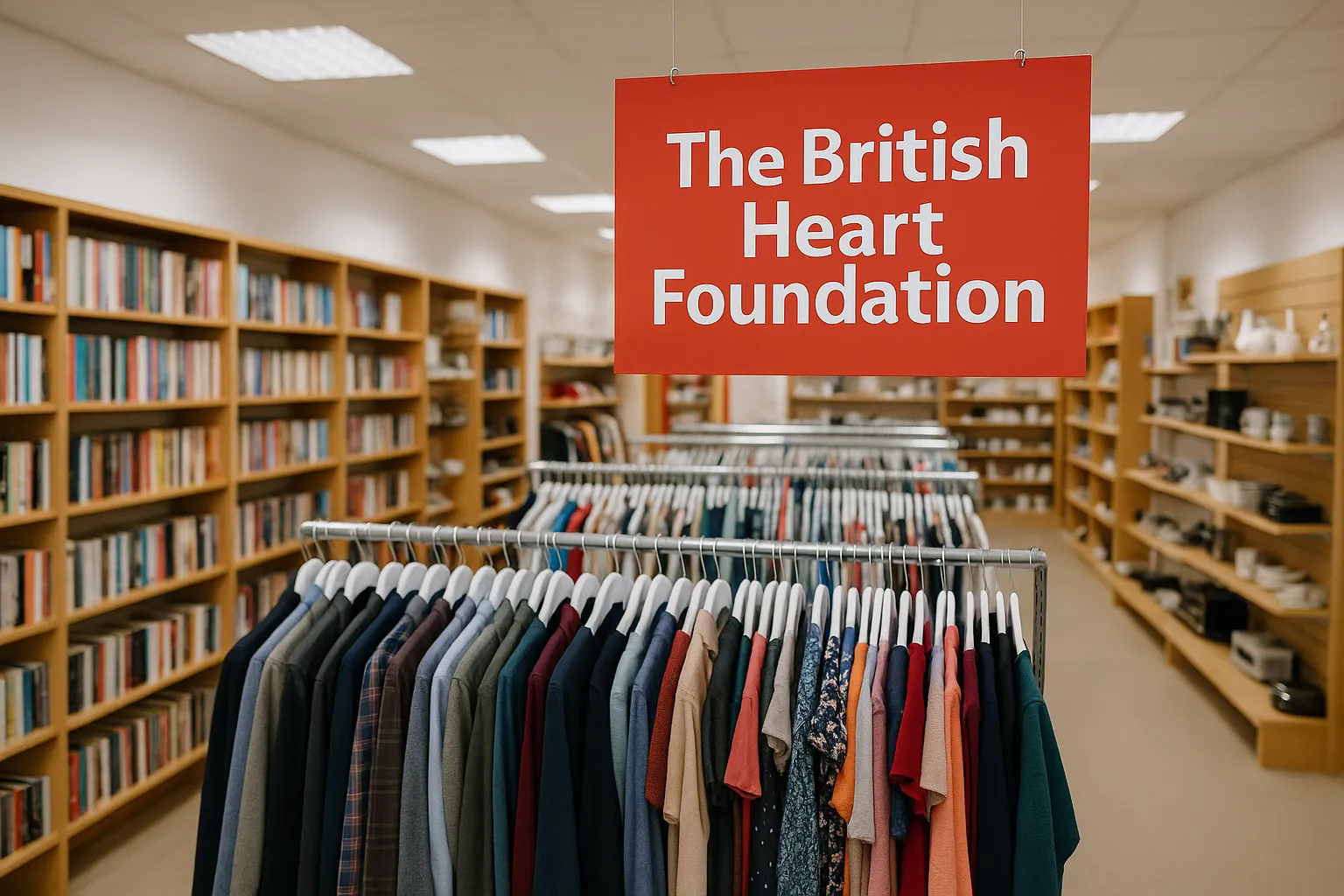
The British Heart Foundation (BHF) stands out as the UK’s most notable charity shop network, operating nearly 700 stores nationwide. This extensive presence positions it as a key player in the country’s charitable retail sector, offering a variety of items from clothing and furniture to books and entertainment products. Potential donors, however, should be aware that not every item is suitable for donation, and failing to consider this can lead to wasted trips and frustration.
While clothing tends to be the most common donation, it is important to note that there is a significant list of textile items the British Heart Foundation cannot accept. For instance, fancy dress outfits face stringent guidelines. Adult costumes must have appropriate fire safety labels, such as “keep away from fire” or “low flammability.” Children’s fancy dress also requires safety markings like CE or UKCA labels to be deemed acceptable.
Nightwear is another category that comes with specific regulations. Nighties, pyjamas, and robes need to carry flammability warning labels. Items lacking such labels cannot be sold due to safety concerns. Moreover, it may come as a surprise to some that children’s garments featuring drawstring hoods are outright rejected by the BHF. Homemade knitted items are included in their list of unacceptable donations as well, reflecting the charity’s commitment to safety and compliance with regulations.
In addition to clothing, the BHF operates dedicated furniture and homeware stores, meaning that potential donations in these areas also require careful consideration. Items must not only be in good condition but must meet certain safety standards as well. For example, used bedding materials such as pillows, duvets, or quilts cannot be accepted unless they have the necessary fire safety labels. Furniture that has been coated with lead paint or upholstered items without fire safety certifications will also be turned away.
Children’s safety is a top priority for BHF, leading to a comprehensive list of prohibited items related to this category. Essential items like car seats, booster seats, prams, pushchairs, and buggies cannot be accepted due to stringent health and safety regulations that govern resale conditions for such products. Despite the high demand for pre-owned children’s equipment, the associated risks mean that these items cannot be resold. This cautious approach extends to safety gates, cots, high chairs, and playpens, all of which fall outside the charity’s acceptance guidelines. Furthermore, inflatable beds, dinghies, and water toys are also excluded from donation acceptance.
Beyond clothing and furniture, there is a range of other items that the British Heart Foundation lists as unsuitable for resale based on hygiene concerns and safety regulations. Personal electronic appliances, including electric shavers and foot spas, may only be donated if they are brand new and sealed. Additionally, any form of weaponry or items that pose significant hazards, such as gas and oil-powered tools and equipment, are strictly prohibited. Items like electrical blankets, oil heaters, electric hoists, and washing machines are classified as unsuitable for charitable resale, further demonstrating the importance of safety in donation practices.
For individuals looking to contribute to the BHF, understanding these guidelines is essential. The charity places significant importance on ensuring that all donated items meet health and safety standards, thereby safeguarding both the people who shop there and the organization itself.
In summary, as many people embark on their spring cleaning missions, they should remain informed about the British Heart Foundation’s donation guidelines. While it can be tempting to donate a wide array of items, it is crucial to check what is permissible to avoid unwelcome surprises. A visit to the shop’s website or a quick inquiry with staff can save time and effort. By adhering to these regulations, donors can ensure that their contributions are not only welcomed but also contribute positively to the mission of the charity.
Our Thoughts
To prevent potential health and safety incidents at charity shops like the British Heart Foundation, several measures could be implemented based on the article. Firstly, clearer communication and signage regarding acceptable donations would simplify processes for donors and reduce the risk of unsafe items being brought into stores. Training staff in identifying hazardous materials and properly managing donations is essential to comply with the Health and Safety at Work Act 1974, which mandates employers to ensure the safety of employees and others affected by their work activities.
Moreover, the business could conduct routine audits of donated items to identify and safely dispose of potentially dangerous products, thus adhering to the Management of Health and Safety at Work Regulations 1999. Limitations on accepting items that may present a risk, such as children’s products without proper safety labeling, must be strictly enforced to prevent non-compliance with the Consumer Protection Act 1987.
Additionally, implementing a comprehensive risk assessment procedure for the handling and storage of diverse donations would greatly mitigate the risk of injury and legal complications, ensuring that the charity prioritizes safety in its operations.