














Story Highlight
– Accidental poisonings rising among older adults, experts warn.
– Over-65s twice as likely to die from poisonings.
– Common products leading to accidental poisonings include cleaners.
– Hospitals recorded 17,252 poisoning admissions in 2024.
– New guidance recommends secure storage of hazardous items.
Full Story
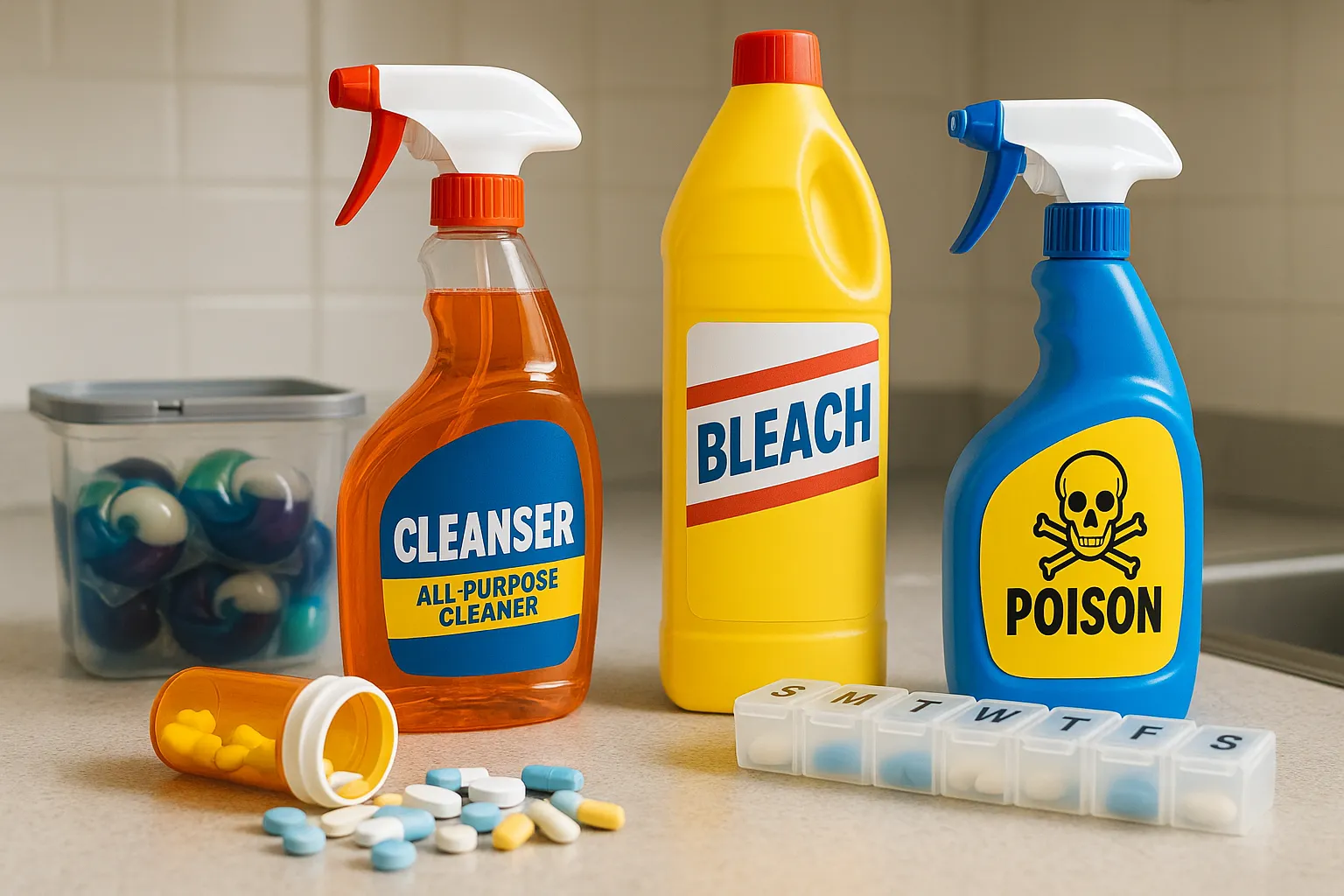
Accidental poisoning incidents among older adults have escalated significantly, raising alarm among health professionals. Recent studies highlight that individuals over the age of 65 are now twice as likely to succumb to poisoning compared to the general population. This trend includes unintentional ingestion of hazardous household items like cleaning agents, laundry pods, and garden chemicals, alongside accidental overdoses of medications.
The increase in such cases can be attributed to several factors, particularly those that affect older adults. Conditions like dementia may lead to confusion regarding the purpose of specific household products, sometimes causing these individuals to mistake toxic substances for consumables. In addition, diminishing eyesight can hinder their ability to decipher labels and warning messages. Many older adults also manage complex medication regimens, which can inadvertently heighten the chances of medication mismanagement.
Statistics illustrate the severity of the situation. In 2024 alone, hospitals across England reported 17,252 admissions related to poisonings. The same year saw 5,770 deaths resulting from accidental poisonings that are not drug-related, marking a 63 per cent rise over the last decade. Among these fatalities, older adults accounted for 2,371 cases, reinforcing the urgent need for preventive measures.
To combat this troubling trend, the Royal Society for the Prevention of Accidents (RoSPA) has released new guidelines directed at families who care for vulnerable elderly relatives. Rebecca Guy, senior policy manager at RoSPA, emphasised the grim reality of such incidents, stating, “Turning away for a few seconds and realising someone has swallowed a cleaning product is, sadly a reality some have experienced. These aren’t freak accidents. They are predictable, preventable events.”
The guidance provided by RoSPA presents practical solutions aimed at safeguarding older adults from accidental poisonings. Caregivers are advised to securely store household cleaning and laundry products, either locked away or placed in high cupboards that can be fastened shut. Medications, likewise, should be kept in organisers and out of plain sight.
An important part of the recommendations focuses on retaining harmful substances in their original containers, which include crucial ingredient and safety labels. RoSPA further highlights the importance of distancing lookalike items, such as brightly coloured liquids, from one another to avoid confusion. Paul Edwards, the chief nursing officer at Dementia UK, pointed out that many cleaning products come in vibrant packaging which can easily mislead individuals with dementia into thinking they are consumables.
Edwards remarked on the delicate balance caregivers must maintain when supporting those with cognitive impairments. “One of the challenges of supporting someone with dementia is balancing the risk between autonomy and their safety,” he said. “These guidelines offer simple steps to reduce the chance of these accidents happening.”
The rise in accidental poisonings among seniors underscores a pressing public health challenge. As the population ages, the demand for effective protective measures grows. Increasing awareness about the risks associated with common household products is vital, not only for individuals with cognitive impairments but for the broader community. It is crucial that families, caregivers, and health professionals remain vigilant and proactive in implementing precautionary measures.
Equipped with the latest insights and recommendations, families can take actionable steps to minimise risks. By fostering an environment that prioritises safety and awareness, it is possible to mitigate the threats posed by everyday toxins. This is especially important in homes with members who may be more susceptible to confusion and accidents due to age-related cognitive decline.
Furthermore, regular discussions about the dangers posed by household chemicals and the correct disposal of outdated medicines can empower families to safeguard their loved ones. Engaging with healthcare providers to devise personalised strategies tailored to the specific needs and capabilities of elderly family members can also prove beneficial.
The dramatic increase in poisoning cases necessitates a concerted effort to foster safety measures and educate caregivers about potential hazards. By utilising resources provided by organisations like RoSPA and Dementia UK, families can be better prepared to tackle the risks associated with aging and cognitive deterioration.
As new evidence continues to emerge, it is imperative that society adjusts its approach to the issue of accidental poisoning among the elderly. Enhanced community support systems, public awareness campaigns, and educational resources combined with vigilant household practices can collectively contribute to a safer living environment.
In conclusion, while the statistics surrounding accidental poisonings among older adults may appear alarming, the implementation of prudent safety measures, along with increased awareness and education, can significantly reduce these incidents. The time has come for families and communities to adapt to these challenges, ensuring that the complex needs of older adults are met with both compassion and caution.
Our Thoughts
The rise in accidental poisonings among older adults highlights critical safety gaps that could be addressed under UK health and safety legislation. Key safety lessons include the need for more stringent storage requirements for hazardous substances, as specified in the Health and Safety at Work Act 1974, which mandates that employers and suppliers ensure the safe handling and storage of dangerous substances.
To prevent similar incidents, it is vital to implement effective risk assessments tailored to vulnerable populations, particularly those with dementia, to identify specific hazards associated with household products and medications. The Control of Substances Hazardous to Health (COSHH) Regulations 2002 should be actively enforced to ensure that all harmful products are clearly labeled and stored securely away from reach. Additionally, medication management strategies must be enhanced under the guidelines of the Medicines Act 1968 to minimize the risk of overdoses due to confusion.
Incorporating best practices such as locking away cleaning products, utilizing proper labeling, and ensuring distinct storage for medications can significantly lower the risk of accidental poisoning for older adults, making these not just sensible recommendations, but regulatory necessities.