











Story Highlight
– Banbury store received zero out of five hygiene rating.
– Food safety management requires major improvement.
– Cleanliness and facilities condition also need major improvement.
– Dunelm disappointed, asserts high standards in other stores.
– Immediate actions taken to address raised issues.
Full Story
A recent inspection conducted by Cherwell District Council’s Environmental Health team has revealed significant concerns regarding food safety at a Dunelm store in Banbury, situated on Southam Road. The assessment took place on March 17 and culminated in a disappointing food hygiene rating of zero out of five, placing the establishment at the lowest end of the hygiene scale.
The inspection identified several critical areas requiring urgent attention. Most notably, the management of food safety protocols within the store was highlighted as needing “major improvement.” This finding indicates that the store lacked effective systems or checks to guarantee that the food on sale or served to customers was safe for consumption. Additionally, inspectors raised questions regarding staff awareness of food safety practices and whether the store’s food safety officer could feel confident in the commitment to upholding standards going forward.
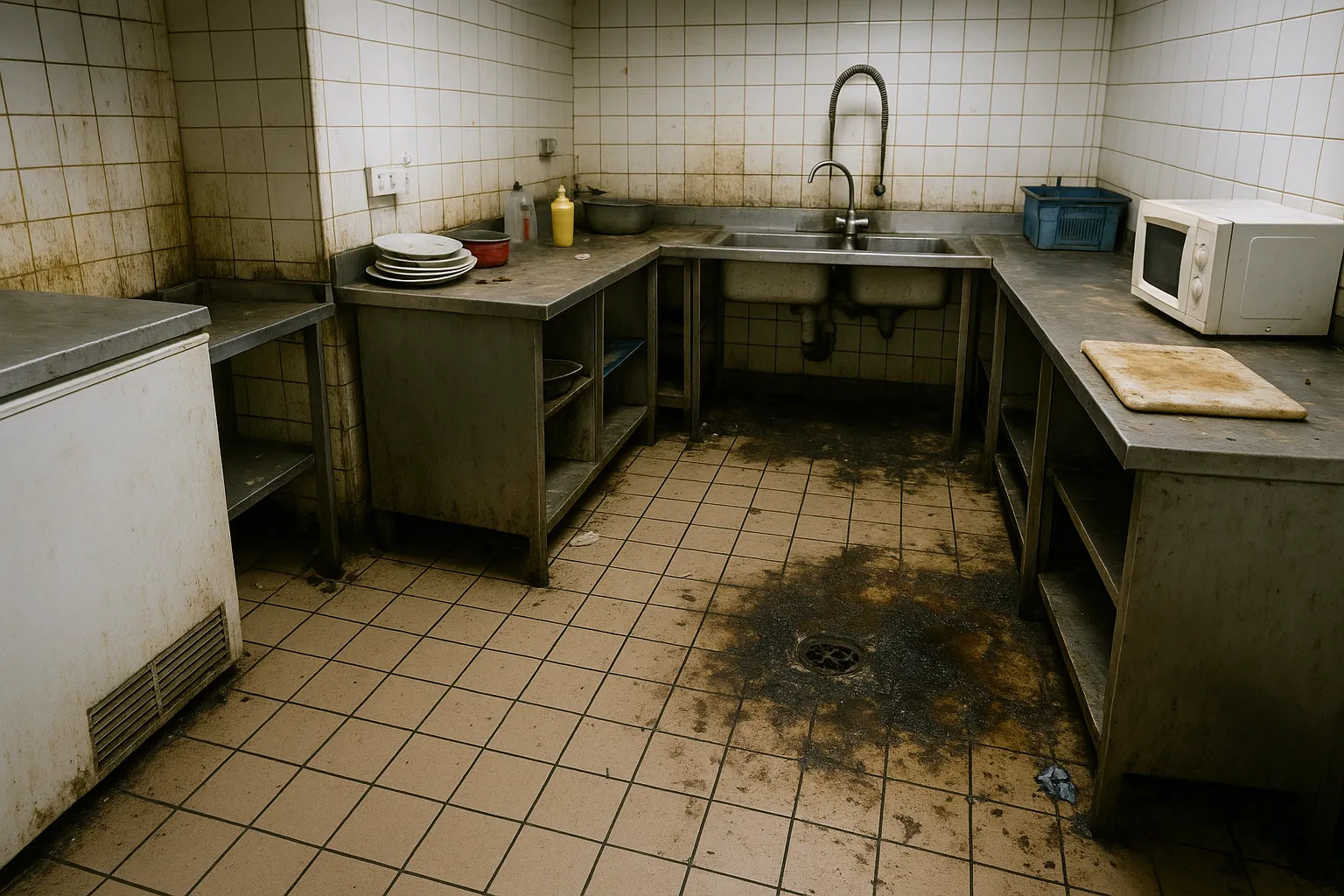
Another significant issue noted in the inspection was the overall cleanliness and condition of the premises. The facilities did not meet the necessary hygiene standards and were similarly marked as requiring “major improvement.” Specific concerns included the adequacy of the physical layout, ventilation, hand-washing facilities, and pest control measures. These factors are crucial for maintaining good food hygiene and ensuring a safe environment for both employees and customers.
Following the inspection, Dunelm released a statement acknowledging the unfavourable hygiene rating. A spokesperson for the retailer expressed disappointment, emphasising that with 99 per cent of their stores achieving a five-star hygiene rating, this particular incident does not represent the high standards they strive to maintain in their cafés.
The spokesperson stated: “With 99 per cent of our stores receiving a five-star score, we’re clearly disappointed to have received this rating as it does not reflect the high standards of food health and safety we demand across our cafés.” They went on to underline the urgency of the situation, revealing that immediate actions were taken to rectify the identified issues. The company has collaborated closely with local health authorities to ensure that the necessary improvements were implemented as swiftly as possible.
Dunelm reassured the public of their commitment to maintaining high safety standards. The spokesperson added: “The health and safety of our customers and colleagues is our top priority, and we take these matters extremely seriously.” This sentiment reflects the wider industry standard, where adherence to hygiene regulations is not just a legal requirement but also essential for customer trust and satisfaction.
In light of this incident, the response from local residents and customers may vary, with some potentially expressing concern about dining at the affected café. The public often relies on food hygiene ratings as an essential measure of safety when choosing where to eat or shop, and such a low rating can significantly impact consumer confidence.
Dunelm’s prompt action in addressing the hygiene concerns may help mitigate some of the fallout from this inspection. However, the incident underscores the ongoing challenges faced by retailers in maintaining food safety standards, particularly in high-footfall areas where customer traffic can complicate operations. Ensuring a clean and safe environment is fundamental to the success of any food-related business.
Food safety remains a critical public health issue, and inspections like the one conducted in Banbury play an essential role in holding businesses accountable. Regular checks help to ensure that establishments adhere to the legal requirements set forth by food safety regulations, ultimately protecting consumers.
Local authorities are tasked with enforcing these regulations and ensuring that businesses like Dunelm operate within the parameters of hygiene standards. This incident serves as a reminder for all establishments in the food sector to consistently review and enhance their food safety practices, benefiting both their patrons and their operational legitimacy.
As Dunelm works to improve the conditions at their Banbury location, the incident will likely serve as a learning opportunity. The company’s commitment to rectifying the shortcomings highlighted by the inspection will be closely monitored by both authorities and consumers, who will expect to see tangible improvements in the coming weeks.
In conclusion, this recent case at the Dunelm store is a significant reminder of the imperative nature of food hygiene in retail spaces. It highlights not only the duties and responsibilities of food service providers but also the importance of consumer confidence in health and safety standards. As the situation unfolds, Dunelm’s response and improvements will be pivotal in restoring faith among customers and ensuring that such a low rating is not repeated in the future.
Our Thoughts
To prevent the issues identified in the Banbury store, the following actions should have been taken:
1. **Implementation of a Food Safety Management System**: A formalized system in compliance with the Food Safety Act 1990 and the Food Hygiene (England) Regulations 2013 should have been established to ensure regular monitoring of food safety practices and staff training.
2. **Regular Training for Staff**: Ensuring all staff are well-trained in food hygiene practices under the relevant legislation, particularly regarding safe food handling, can foster a culture of safety and compliance.
3. **Maintenance of Facilities**: Regular checks on cleanliness and the physical state of the facilities must be mandated. The Health and Safety at Work Act 1974 requires businesses to maintain safe environments for employees and customers.
4. **Self-Inspections and Audits**: Conducting routine internal audits to review hygiene practices and facility conditions can help identify and rectify problems before official inspections.
By enhancing compliance with the above regulations and developing a proactive approach to food safety, similar incidents can be mitigated in the future.