















Story Highlight
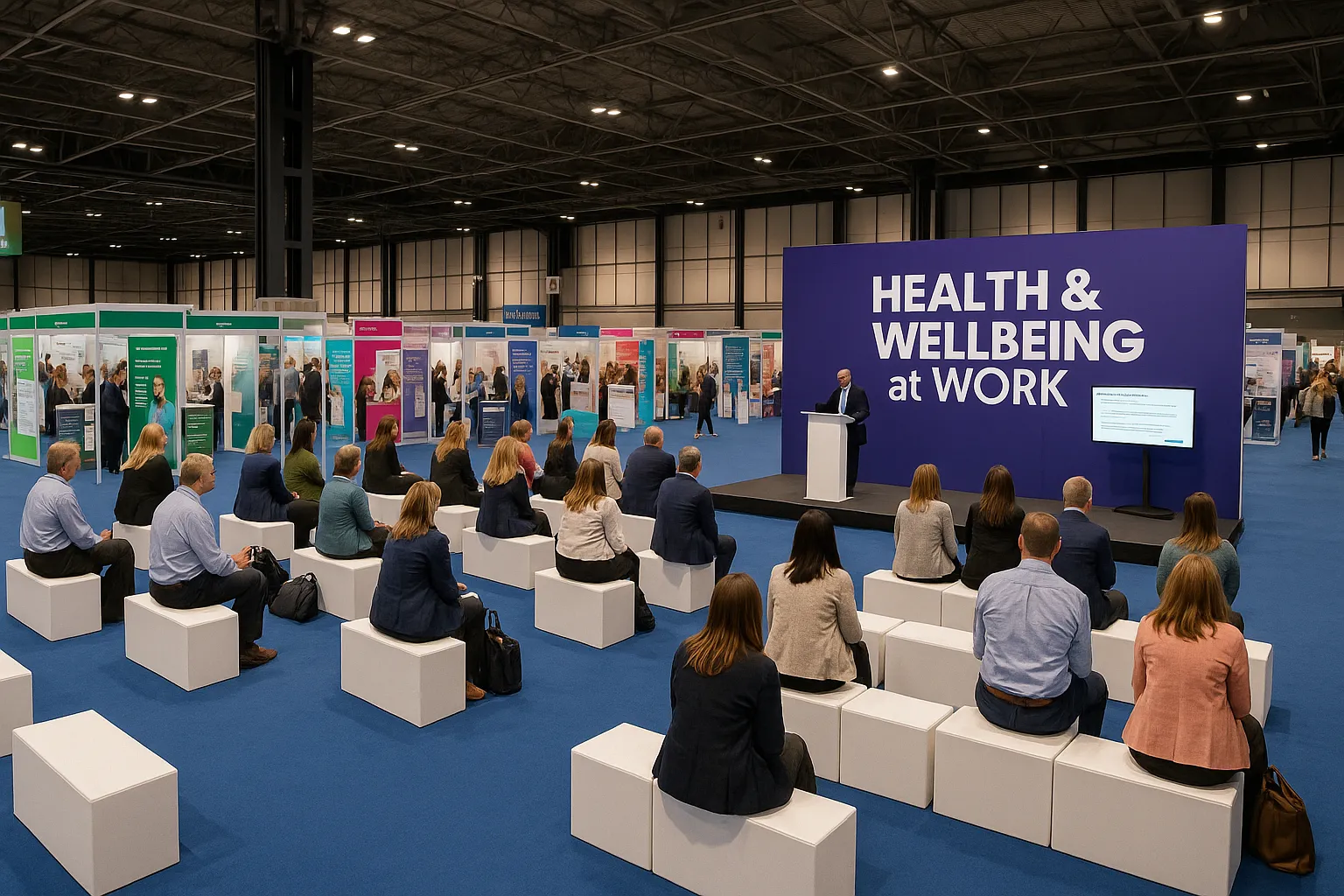
– Conference on health and wellbeing held at Birmingham NEC.
– Informal flexibility crucial for autonomous workers’ satisfaction.
– Listening and engagement essential for effective HR practices.
– Tailored approaches needed for impacts of organizational restructuring.
– Commitment to prevention vital for workplace health improvements.
Full Story
The Health and Wellbeing at Work conference and exhibition commenced at the National Exhibition Centre (NEC) in Birmingham on 10 March, welcoming a diverse group of professionals to discuss the evolving landscape of workplace wellbeing. The first day of the event provided insight into a range of critical issues affecting workforce dynamics, particularly concerning flexible work arrangements, data-driven human resources practices, and the necessity of prioritising mental health.
One of the key discussions revolved around the significance of informal workplace flexibility, particularly as it pertains to autonomous workers. Gail Kinman, a prominent author and researcher, shared her findings from investigations conducted within academic circles. “Many people work a self-managing system,” she stated, highlighting the traditional autonomy enjoyed by academics who typically resist formalised structures that might constrain their flexibility. Kinman urged employers to recognise the varying preferences among staff. “Leaders and employers must be mindful of people’s needs,” she reiterated, emphasising that the desire for flexibility should not inadvertently disadvantage others in the workplace.
Tiger de Souza, the executive director of people and culture for the Samaritans charity, discussed how leaders can harness the potential for informal flexibility. He cautioned against the impracticality of attempting to devise a one-size-fits-all flexible working policy. “If a line manager is open to creating an environment where people feel safe to make suggestions [about alternative working patterns], then, as a collective, they may come up with a way of working that’s unique,” de Souza explained, suggesting that collaborative approaches could enable teams to operate at their highest potential.
Nicholas Collins, who oversees flexible working policies for NHS England, outlined the organisation’s initiatives aimed at piloting various flexible arrangements. NHS staff have access to innovative practices such as e-rostering for frontline personnel and adjustable work patterns that allow physicians to work remotely during specific seasons, such as the Antarctic summer.
In a keynote address during the seminar programme, David Liddle, CEO of TCM Group consultancy, stressed the need for a fundamental shift in HR practices towards a more responsive and interactive approach to data. “We don’t need more data. We need to listen [better],” he asserted, suggesting that while HR functions must be grounded in evidence, there is a greater need for meaningful engagement rather than reliance solely on surveys and polls. He advocated for a cultural transformation where purpose and values are intricately woven into the employee experience, encouraging a departure from outdated HR models towards a more people-centric philosophy.
To effectively support their teams, Liddle advocated for the upskilling of line managers, stressing the urgent need for these leaders to develop the courage to engage in challenging conversations. “Give managers the skills they need today,” he insisted, highlighting that the demands of modern workplaces require immediate responses rather than postponed training.
Liddle’s session also featured an AI-enhanced video demonstrating how professionals in HR can leverage technology to enhance employee experiences. Attendees were given access to useful resources designed to assist in cultural redevelopment, including free tools such as the Culture Doctor, which allows leaders to input queries regarding workplace culture.
Another critical dialogue centered on the impacts of organisational restructuring, with Nebel Crowhurst, a fractional chief people officer, advocating for a compassionate and tailored approach to managing the human costs associated with such changes. “The real work starts after the announcement,” she stated, noting that a lack of communication can fuel distrust and anxiety among employees. Identifying the challenges faced by various stakeholders—including those leaving, those leading, and those remaining—Crowhurst suggested targeted strategies to support each group thoughtfully.
Outlining a framework intended to guide restructuring efforts, Crowhurst presented her RESET model, which encourages organisations to Reassure with clarity, Enable leaders, Stabilise systems, Engage survivors, and Turn towards future opportunities. She emphasised the importance of transparent communication, the establishment of dedicated forums for managers, and realistic workload management as integral to navigating periods of significant organisational change.
During her keynote, organisational psychologist Balissa Greene cautioned against overlooking the implications of silence in employee feedback. “When we ask for information, when we try to evaluate something, and we get nothing back, that in itself is data,” Greene remarked, urging organisations to recognise the significance of non-responses. She also addressed the notion of visibility among underrepresented groups in the workplace, raising concerns about the psychological impacts that scrutiny can have on their wellbeing and overall performance. Greene proposed that inclusivity and curiosity about individual experiences should be central to fostering wellbeing across all employee demographics.
In a closing address on preventative health measures within the workforce, Mike Calcutt, deputy director at the Health and Safety Executive (HSE), highlighted the necessity for real commitment from leadership to cultivate effective health and safety solutions. He reported that approximately 1.9 million workers suffer from work-related health issues, placing an enormous economic burden of £26.4 billion on the UK economy, with a significant proportion attributed to work-related stress and musculoskeletal disorders. Calcutt urged that prevention efforts must be prioritised, emphasising that leaders need to take practical steps to implement change.
His concluding advice was straightforward: “Pick one problem and do it well.” By effectively addressing singular issues, such as tackling noise-related health concerns, organisations can develop robust strategies applicable to a broader range of health and safety challenges faced within the workplace.
The discussions and insights shared at this year’s Health and Wellbeing at Work conference underscore the urgency of prioritising employee wellbeing amidst the ongoing evolution of work practices in a post-pandemic landscape.
Our Thoughts
The article emphasizes the critical need for effective communication and leadership in maintaining employee wellbeing, particularly in flexible work environments. To prevent potential issues, employers could enhance engagement by actively listening to employees’ needs and preferences regarding work arrangements, as suggested by various speakers.
Key safety lessons include the necessity of addressing the human impacts of organizational change and the importance of transparency to build trust. Breached regulations could relate to the Health and Safety at Work Act 1974, which mandates employers to ensure the health, safety, and welfare of employees at work, including psychological wellbeing.
Similar incidents could be mitigated by fostering a culture of open dialogue, training managers in change leadership, and involving employees in decision-making processes. Establishing structured frameworks, like those proposed for restructuring, can help manage potential stresses and clarify roles during transitions, thereby improving overall workplace health.