
















Story Highlight
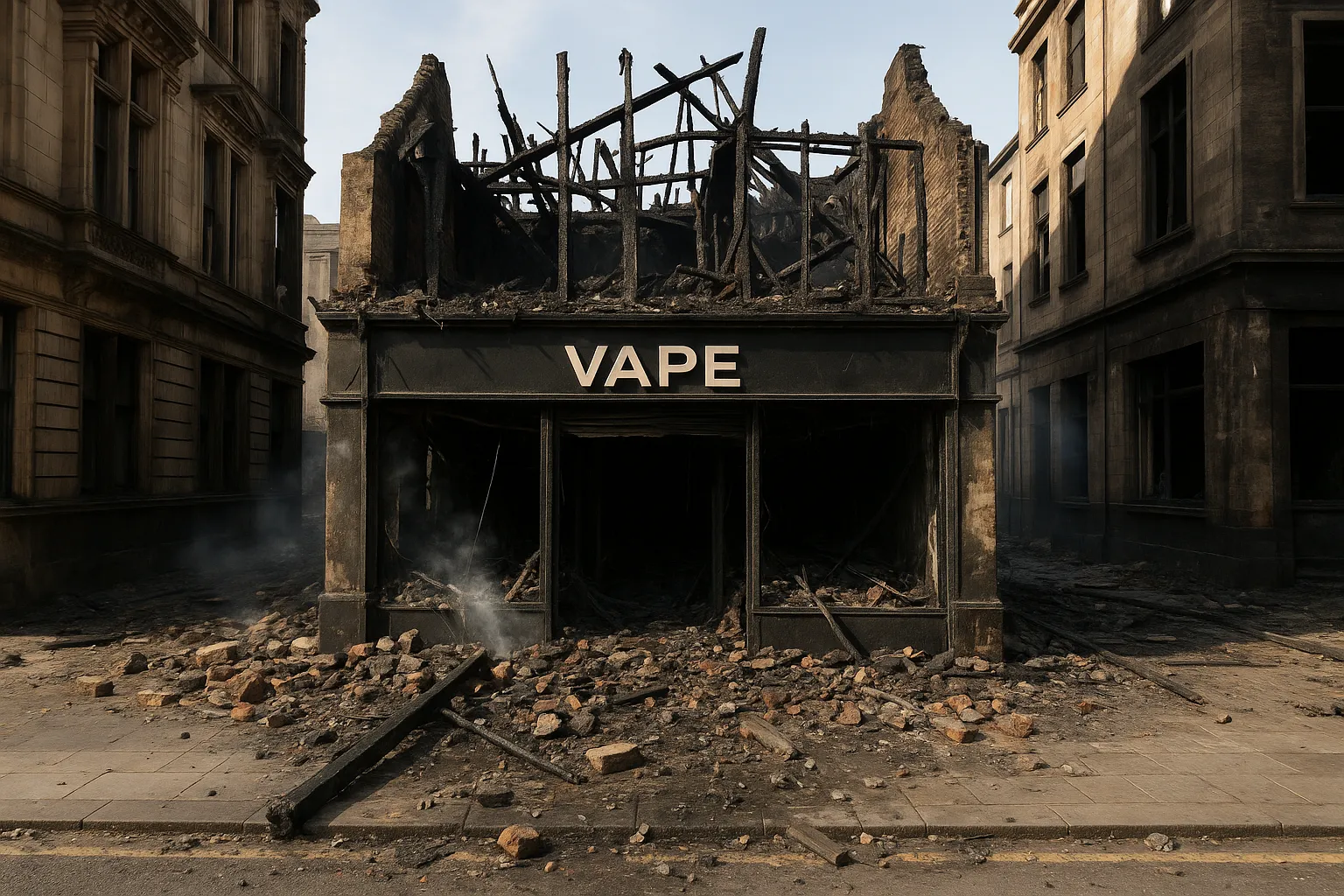
– Glasgow fire linked to illegal unregistered vape shop.
– Over 1.2 million illegal e-cigarettes seized in UK.
– Central Bedfordshire had the highest illegal vape seizures.
– Illegal vapes pose health and fire risks.
– Experts estimate black market worth exceeds £1 billion.
Full Story
A recent incident in Glasgow has cast a spotlight on the increasing prevalence of illegal vaping products across the UK, as a fire in an unregistered vape shop has drawn attention to the dangers associated with these unregulated devices. An alarming report by Vape Club indicates that over 1.2 million illegal e-cigarettes have been confiscated in the UK in recent years, averaging approximately two illegal vapes seized every minute.
The significance of this data cannot be overstated, especially as it highlights the rising threat of dangerous and potentially fatal vaping products that are entering consumer markets. These counterfeit items not only pose health risks but are also linked to dangerous fire hazards due to their volatile lithium-ion batteries. The recent fire incident, which devastated a 175-year-old listed building in Glasgow, serves as a stark reminder of these dangers. The fire reportedly began in a vape shop that was not registered to sell such products and had failed to remit any business taxes.
In the UK, e-cigarettes are subject to strict regulatory standards to ensure public safety. Counterfeit vapes often fall outside these regulations, resulting in a greater risk of health complications for users and a higher likelihood of fire-related incidents. Moreover, these illicit products typically evade taxation, thus exacerbating concerns among authorities.
The Vape Club report has identified Central Bedfordshire as the area experiencing the highest occurrence of illegal vape seizures, with the local council confiscating an astonishing 345,718 illegal units last year alone—an increase of an unprecedented 205 per cent compared to 2024. Given that Central Bedfordshire has a population of just 315,000, this statistic is particularly troubling, indicating that more than one illegal vape was seized for every resident. The area’s proximity to Luton Airport has raised suspicions among officials that it may be a target for gangs involved in the illicit trafficking of vaping products.
In one notable case, authorities in Leighton Buzzard uncovered hundreds of illegal vapes with a total street value of £16,000 stored in a hydraulic lift at a local vape shop, leading to the closure of the establishment. Furthermore, Bolton ranks as the second most affected area, with the local council seizing nearly 260,000 illegal e-cigarettes in 2025—an increase of an extraordinary 467 per cent from the previous year. Recent enforcement actions in Bolton have revealed that shop owners are facing significant legal repercussions, including fines as steep as £15,000 for stocking unregistered products.
Kent County Council, ranking third for illegal vape seizures, reported the confiscation of 171,049 illegal vapes last year. The county’s geographic positioning, with key transit points such as Dover and the Eurotunnel, likely contributes to its status as a hotspot for illicit vaping imports.
The borough of Hillingdon in London has registered the highest cumulative number of vape seizures over the last three years, totalling 796,526 illegal e-cigarettes. However, statistics reveal a concerning decline in seizures in 2025, with only around 50,000 products confiscated—a dramatic 91 per cent decrease from the previous year. Many speculate that this fall could indicate a shift in tactics among criminal groups, rendering them more adept at evading capture.
In total, cities such as Swansea, Liverpool, Sheffield, Hertfordshire, Manchester, and North East Lincolnshire rank among the six additional areas experiencing a surge in illegal vape activity. Experts estimate the street value of the illegal vaping market to exceed £10 million, while the overall black market could reach beyond £1 billion, due in part to the lack of regulation.
Legal e-cigarettes are governed by rigorous standards imposed by the Medicines and Healthcare products Regulatory Agency, which stipulates that these products should contain no more than 600 puffs and a maximum nicotine concentration of 2 per cent. In stark contrast, illegal variants do not undergo any testing and may contain harmful substances, including lead and nickel, posing serious health risks to users—particularly concerning given their accessibility to minors.
In addition to health risks, public safety officials, including the Greater Manchester Fire Service, have raised alarms regarding the fire hazards linked to unregulated vaping products. Most e-cigarettes utilise lithium-ion batteries, similar to those found in consumer electronics. Without proper regulation and handling, such batteries can ignite, creating fires that burn hotter and faster than traditional blazes, complicating firefighting efforts.
The fire at the illegal Glasgow vape shop not only destroyed the establishment but also spread to adjacent properties, severely damaging the historic Forsyth House. The premises, operating under the name ‘Junaid Retail’ and branded as ‘Scot’s World,’ had been in business since August 2024, yet it had never registered with the Scottish Government’s Register of Tobacco and Nicotine Vapour Product Retailers or paid requisite business rates, leading to its account being transferred to debt recovery.
Local political leaders are now calling for a comprehensive review of compliance among vape shops in Glasgow. Paul Sweeney, a Labour MSP for Glasgow, emphasized the urgent need for tighter building regulations, stating, “It is as plain as day that any business that uses lithium batteries should be held to extremely high safety standards and inspected regularly.” Fellow Labour MP Maureen Burke echoed these sentiments, advocating for an outright audit of vape shops, highlighting that their inventory poses a unique fire risk due to the prevalence of lithium batteries.
This growing crisis surrounding illegal vape shops underscores an urgent need for improved oversight and enhanced safety measures to protect the public from both health and safety hazards.
Our Thoughts
The fire in an illegal vape shop in Glasgow highlights significant lapses in compliance with UK health and safety legislation, particularly the Health and Safety at Work Act 1974 and the Regulatory Reform (Fire Safety) Order 2005. These regulations mandate that businesses ensure proper safety measures are in place, especially those dealing with hazardous materials like lithium batteries found in e-cigarettes.
To prevent such incidents, it could have been beneficial to enforce stricter registration and inspection processes for vape shops, ensuring compliance with regulations governing the sale of tobacco and nicotine products. Regular audits by local authorities could reinforce safety compliance and intercept illegal operations before they pose a risk to public safety.
The incident underscores the imperative for heightened scrutiny and potential regulatory reforms addressing the risks associated with the sale of unregistered and untested products, particularly those utilizing volatile batteries. Enhanced community awareness and reporting mechanisms can also play a vital role in identifying and addressing illegal shops promptly, thereby reducing the likelihood of similar incidents.